
 en
en
 English
CBB60 Capacitor for Water Pump: Selection & Replacement Guide
Content
- 1 What Is a CBB60 Capacitor and Why Does It Matter for Pumps
- 2 Key Electrical Specifications You Must Match
- 3 How to Tell If Your CBB60 Run Capacitor Has Failed
- 4 Testing a CBB60 Capacitor with a Multimeter
- 5 Step-by-Step Replacement Process for Water Pump Capacitors
- 6 CBB60 Capacitor vs Other Capacitor Types for Motor Applications
- 7 Factors That Cause Premature CBB60 Capacitor Failure in Pumps
- 8 Quality Standards and Certifications to Look For When Buying
- 9 Wiring Configurations for CBB60 Capacitors in Different Pump Motor Types
Yes — a CBB60 capacitor is not just compatible with water pumps; it is specifically engineered for them. This run capacitor is the standard choice for single-phase AC water pump motors found in residential well systems, pool pumps, irrigation equipment, and jet pumps. Without a functioning CBB60, most of these motors cannot generate the phase shift needed to start or maintain efficient rotation. If your pump is humming but not starting, running hot, tripping breakers, or simply dead on arrival, a failed CBB60 run capacitor is one of the first components to test and replace.
What Is a CBB60 Capacitor and Why Does It Matter for Pumps
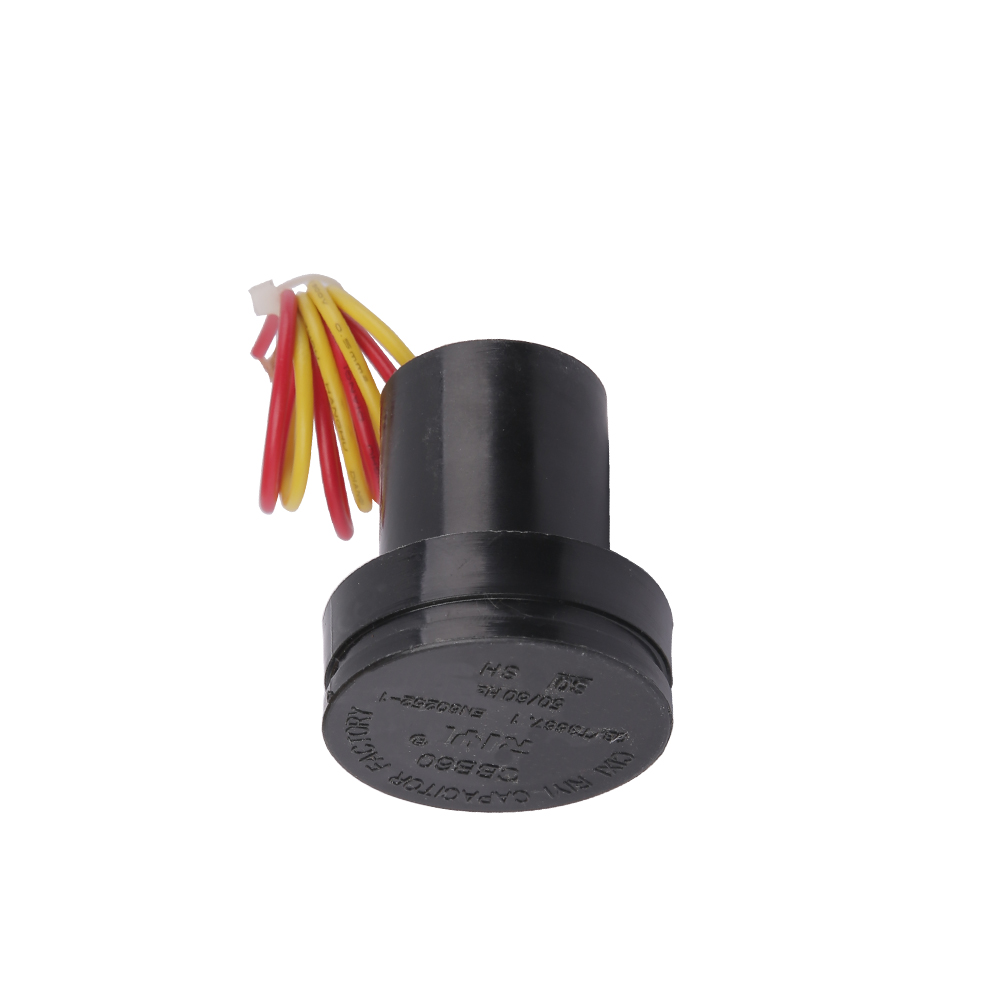
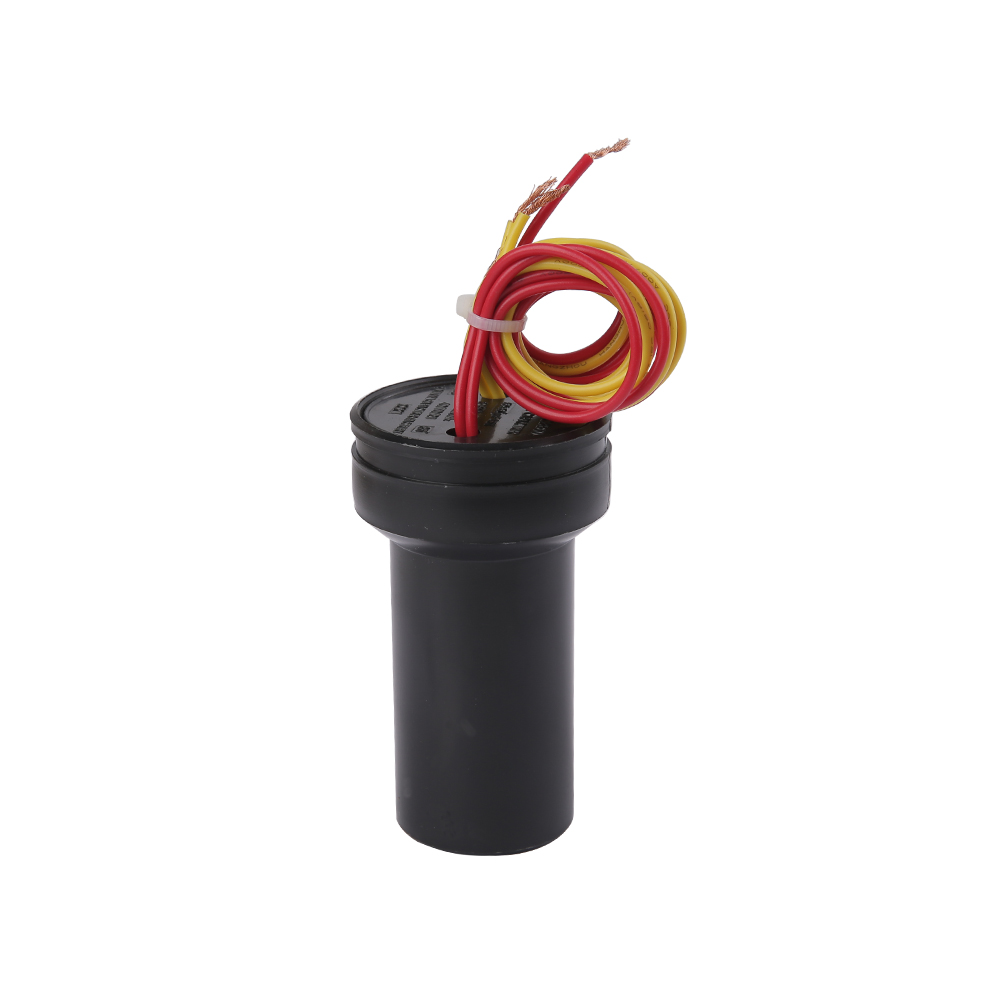
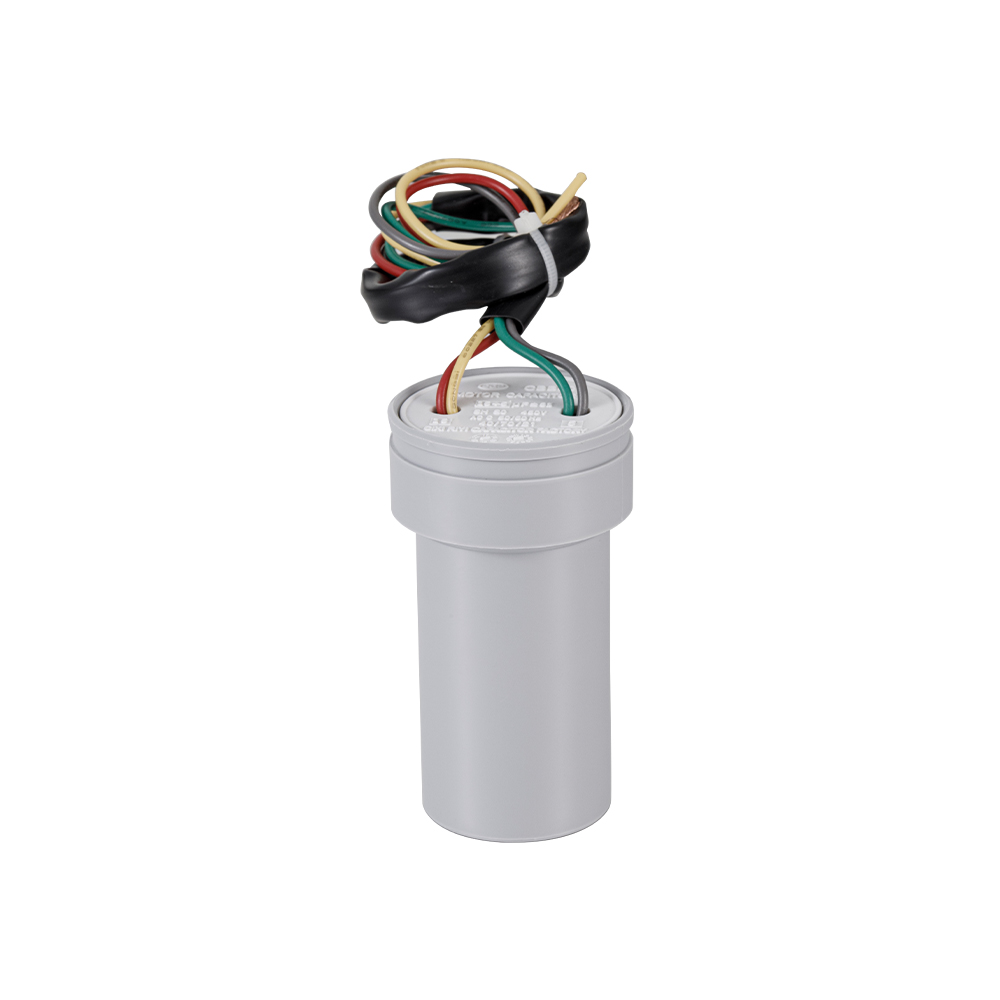
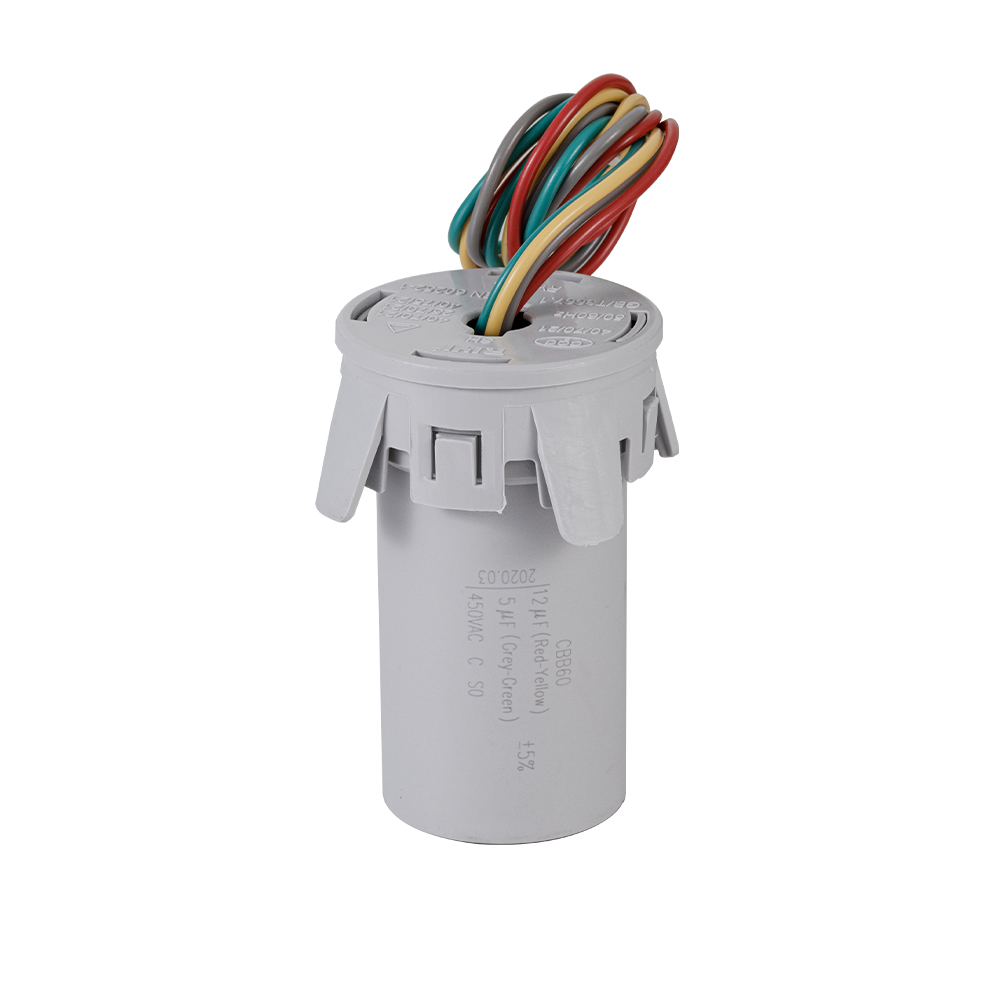
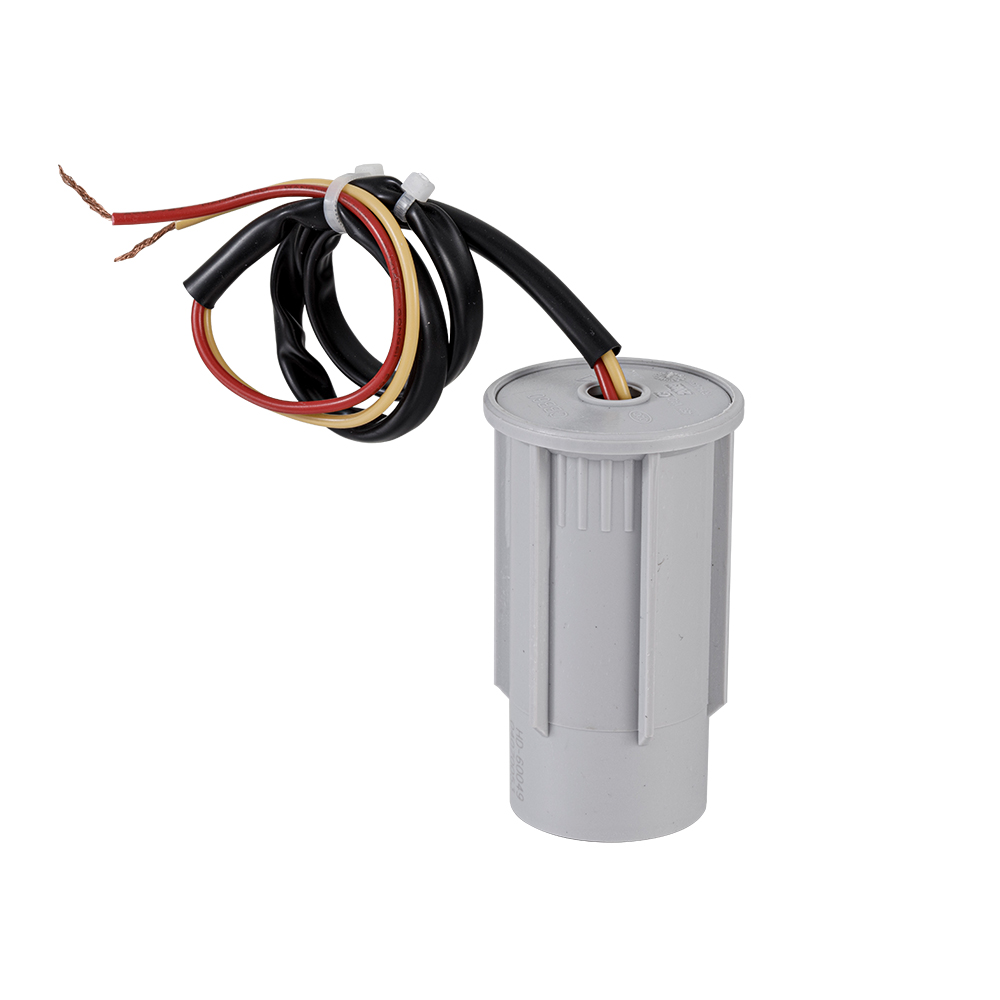
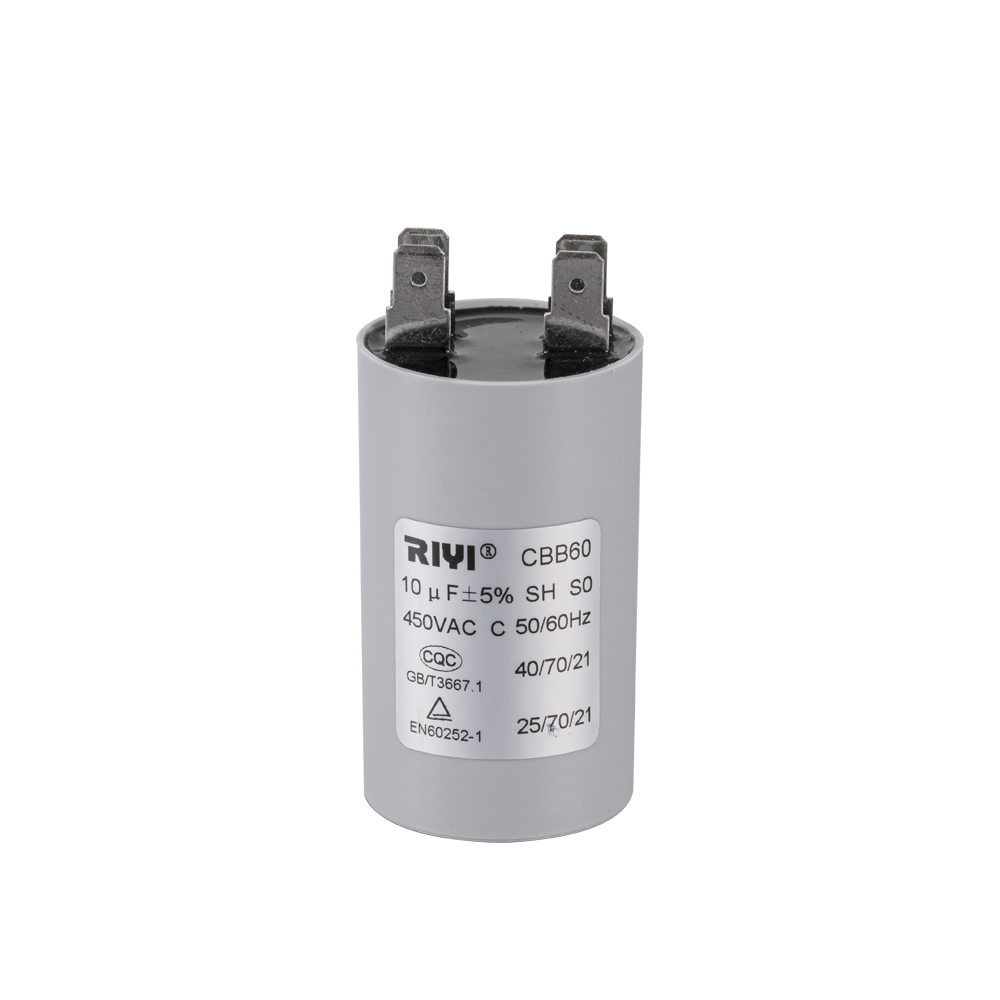
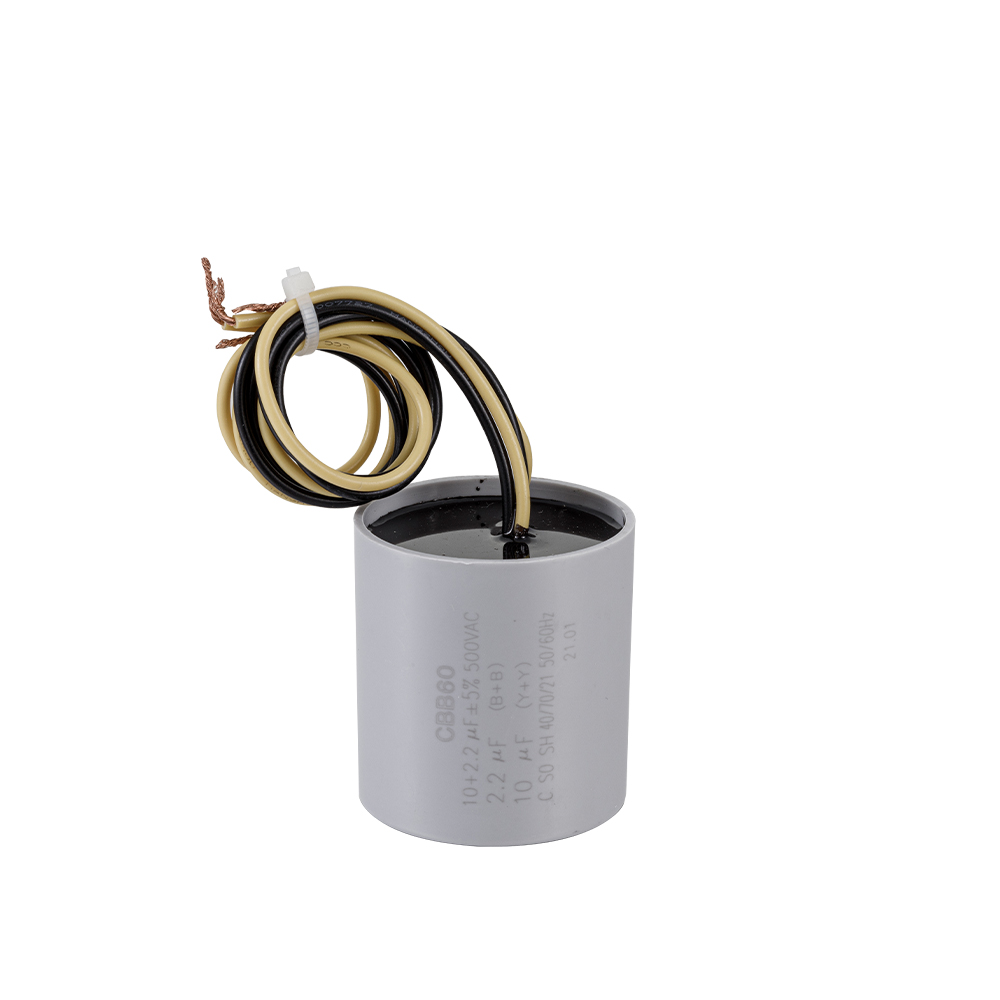
A CBB60 capacitor is a metallized polypropylene film capacitor housed in a cylindrical plastic casing, rated for AC motor operation. The designation "CBB60" follows a Chinese national standard (GB/T 3667) classification system, where "C" stands for capacitor, the second "B" indicates polypropylene film dielectric, the third "B" denotes metallized construction, and "60" refers to the series standard for AC motor capacitors.
In a single-phase induction motor — which is what most household water pumps use — the stator has only one main winding. This creates a pulsating magnetic field, not a rotating one. Without a phase shift, the rotor cannot determine which direction to spin and has zero starting torque. The CBB60 run capacitor is wired in series with the auxiliary (start) winding and creates the necessary 90-degree electrical phase difference between the two windings. This phase difference produces a rotating magnetic field that causes the rotor to spin in a definite direction and maintain smooth operation under load.
Unlike start capacitors (which are electrolytic and only engaged briefly during startup), the CBB60 remains energized continuously during operation. This means it must withstand the full rated voltage and AC ripple current for extended periods — sometimes hours or days at a stretch — without degrading. Its polypropylene film dielectric makes this possible, offering lower dissipation factor, higher insulation resistance, and far superior thermal stability compared to electrolytic alternatives.
Key Electrical Specifications You Must Match
Choosing the wrong capacitor for a water pump motor is not just inefficient — it can burn out the motor windings or cause the capacitor itself to fail catastrophically. Here are the specifications that matter most:
Capacitance Value (µF)
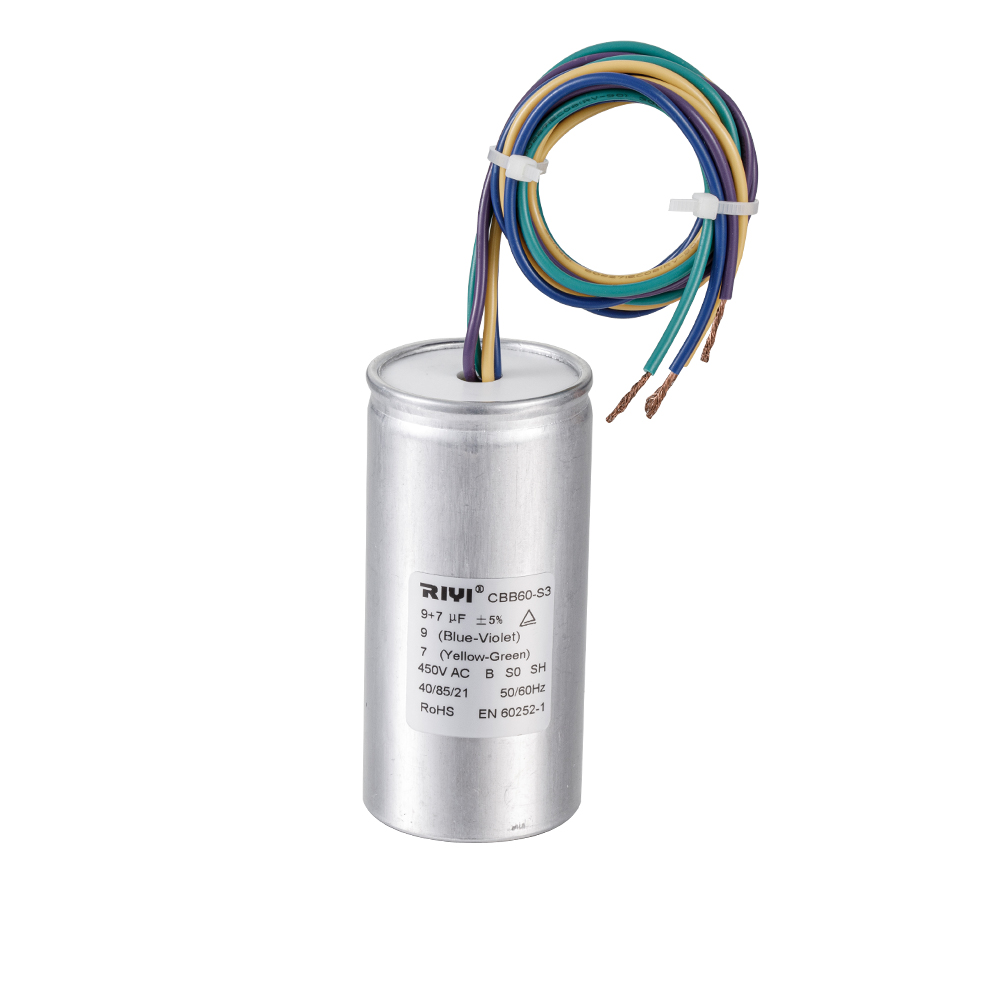
This is the most critical specification. Common values used in water pump applications range from 6µF to 100µF, with the most frequently encountered values being 8µF, 10µF, 12µF, 16µF, 20µF, 25µF, 30µF, and 40µF. The correct value is determined by the motor manufacturer based on winding impedance, pole count, and rated current. Always match the original value exactly — using a capacitor that is 20% higher or lower than specified can cause overheating, reduced torque, or oscillating speed.
Tolerance is typically ±5% for quality CBB60 units. Avoid any capacitor claiming ±10% or higher tolerance in precision motor applications.
Voltage Rating (VAC)
Standard CBB60 capacitors for water pumps are rated at 250VAC or 450VAC. For 120V single-phase systems, a 250VAC rating is the minimum, but 450VAC is preferred for margin. For 220V–240V systems, use 450VAC rated units only. Never substitute a lower voltage-rated capacitor, even temporarily — the dielectric can be punctured in milliseconds, causing a short circuit.
Frequency (Hz)
Most CBB60 capacitors are rated for 50Hz or 60Hz, or both. North American pumps run at 60Hz; most of Europe, Asia, and Africa operate at 50Hz. Using a 50Hz capacitor on a 60Hz system is generally acceptable since the reactance decreases slightly, but always verify the datasheet.
Operating Temperature Range
Standard CBB60 capacitors are rated from -25°C to +70°C. If your pump operates in a hot pump house, near a boiler, or in a warm climate, look for extended-range units rated to +85°C or even +105°C. Thermal degradation above the rated temperature is one of the leading causes of early capacitor failure.
| Pump Motor Power | Typical Capacitance (µF) | Voltage Rating (VAC) | Typical Application |
|---|---|---|---|
| 0.25 HP (186W) | 6–8 µF | 250VAC | Small garden / fountain pump |
| 0.5 HP (373W) | 10–12 µF | 250VAC | Shallow well / utility pump |
| 0.75 HP (560W) | 16–20 µF | 450VAC | Jet pump / irrigation pump |
| 1 HP (746W) | 25–30 µF | 450VAC | Deep well / pool pump |
| 1.5–2 HP (1.1–1.5kW) | 40–60 µF | 450VAC | Commercial/agricultural pump |
How to Tell If Your CBB60 Run Capacitor Has Failed
Capacitor failure in water pump motors often develops gradually, but in some cases it can be sudden and complete. Recognizing the symptoms early can prevent expensive motor damage.
Symptom 1 — Motor Hums But Does Not Start
This is the classic sign of capacitor failure. You hear the motor energize and produce a low hum, but the shaft does not rotate. If you were to manually spin the pump shaft (with power OFF first), the motor would catch and run — demonstrating that the windings are intact but the starting torque is absent. This is caused by an open-circuit or severely degraded CBB60 that can no longer produce the necessary phase shift.
Symptom 2 — Motor Starts Slowly or Struggles Under Load
A capacitor that has lost significant capacitance — say, dropped from 25µF to 18µF — may still allow the motor to start under no-load conditions but will struggle or stall when water pressure is applied. This often presents as slow ramp-up time, erratic operation, or the pump cutting out under pressure.
Symptom 3 — Overheating Motor
When the capacitance drifts from its rated value, the current balance between the main and auxiliary windings is disrupted. The motor draws excess current to compensate, which generates heat. A motor running with a failed or degraded CBB60 can reach temperatures 30–50°C above normal operating levels, accelerating insulation breakdown and bearing wear.
Symptom 4 — Visible Physical Damage
Inspect the capacitor body directly. Common signs of failure include:
- Bulging or cracked plastic casing
- Burn marks or melting around terminals
- Oil or residue seeping from the base (indicates internal dielectric breakdown)
- Corroded or loose terminal connections
Any of these visual cues warrant immediate replacement, regardless of measured values.
Symptom 5 — Breaker Trips on Motor Start
A shorted CBB60 capacitor creates a near-dead-short across the motor winding circuit, causing massive inrush current that immediately trips the breaker or blows the fuse. If your pump consistently trips the circuit protection every time it tries to start, a shorted capacitor is high on the list of culprits.
Testing a CBB60 Capacitor with a Multimeter
Before spending money on a replacement, confirm the capacitor is actually at fault. Here is how to test it properly.
Safety First — Discharge the Capacitor
Never touch capacitor terminals before discharging. A CBB60 capacitor rated at 450VAC can hold a charge capable of causing a severe shock. To discharge safely: with power fully disconnected, use a resistor of 10kΩ–20kΩ (rated at least 5W) bridged across the terminals for 5–10 seconds. Alternatively, use an insulated screwdriver to briefly bridge the terminals — you will see a small spark, which is normal and confirms the discharge.
Using Capacitance Mode
Set your digital multimeter to capacitance mode (usually marked with a symbol resembling two parallel lines). Disconnect the capacitor from the circuit and touch the probes to each terminal. A healthy CBB60 should read within ±5–10% of its labeled capacitance. For example, a 25µF capacitor should read between 22.5µF and 27.5µF. A reading significantly below this — say 15µF on a 25µF capacitor — indicates substantial degradation. A reading of zero or OL (overload) indicates open circuit failure.
Using Resistance Mode as a Basic Check
If your multimeter lacks a capacitance function, switch to resistance (Ω) mode on a high range (200kΩ or higher). Touch the probes to the terminals. A good capacitor will show resistance climbing from near-zero up to several hundred kilohms as it charges from the meter's battery — this charging behavior confirms the capacitor is not shorted or open. A reading that stays at zero (shorted) or instantly jumps to OL without any charging behavior (open) indicates failure. This method does not confirm capacitance value, only basic functionality.
Step-by-Step Replacement Process for Water Pump Capacitors
Replacing a CBB60 run capacitor is one of the most straightforward water pump repairs you can do yourself. The entire process typically takes less than 30 minutes.
- Disconnect power — Turn off the circuit breaker feeding the pump and verify with a voltage tester. Do not rely on a switch alone.
- Locate the capacitor — On most water pumps, the CBB60 capacitor sits in a small housing on the motor body, often secured by a metal strap or clip. Remove the cover to expose it.
- Photograph the wiring — Before disconnecting anything, take a clear photo of the terminal connections. CBB60 capacitors for pumps typically have two or three terminals. Most are non-polar (terminals are interchangeable), but confirming before disconnection avoids confusion.
- Discharge the capacitor — As described above, use a discharge resistor or carefully bridge the terminals to remove stored charge.
- Remove the old capacitor — Disconnect the wires (note or photograph which wire goes to which terminal), loosen the mounting strap, and remove the old unit.
- Install the new CBB60 — Insert the replacement in the same orientation, tighten the mounting strap, and reconnect wires per your photograph. For non-polar two-terminal units, wire order does not matter electrically.
- Test the pump — Restore power and observe the pump for proper startup, normal running current (measure with a clamp meter if available), and absence of overheating or unusual noise.
Physical Size and Mounting Considerations
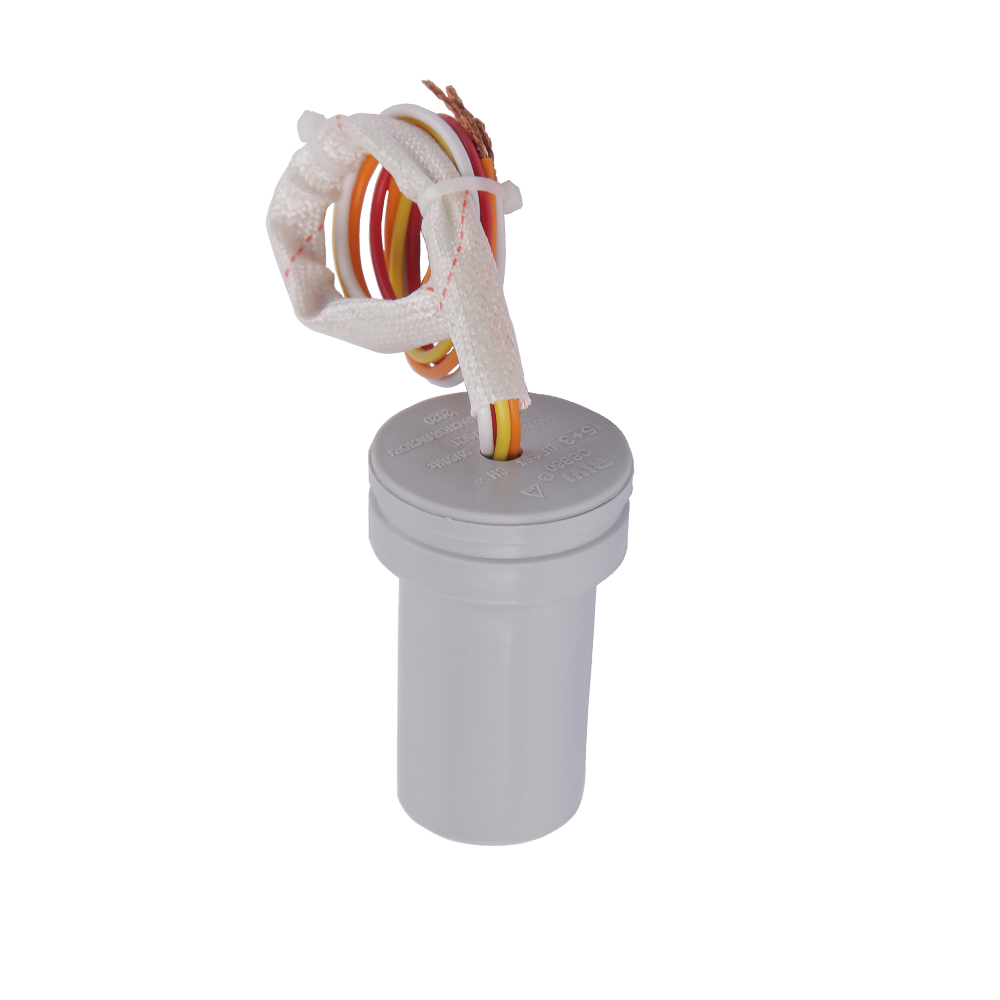
CBB60 capacitors come in standardized cylindrical dimensions. Common diameters are 35mm, 40mm, and 50mm, with heights ranging from 60mm to 115mm. Higher capacitance values occupy larger casings. When ordering a replacement, confirm the physical dimensions fit the mounting bracket on your pump. A capacitor with the correct electrical ratings but 10mm too tall will not fit in the original housing, so always check both sets of specifications.
CBB60 Capacitor vs Other Capacitor Types for Motor Applications
Not all motor capacitors are the same. Understanding the differences explains why the CBB60 is the correct and only appropriate choice for continuous-duty water pump operation.
| Capacitor Type | Dielectric | Duty Cycle | Typical Use | Life Expectancy |
|---|---|---|---|---|
| CBB60 (Run Capacitor) | Metallized polypropylene film | Continuous (100%) | Pump, fan, compressor run winding | 60,000–100,000 hours |
| CD60 (Start Capacitor) | Electrolytic | Intermittent (<3 sec per start) | Boost torque during startup only | Limited by cycle count |
| CBB65 (Run Capacitor) | Metallized polypropylene film | Continuous (100%) | Air conditioner compressors | 60,000–100,000 hours |
| CBB61 (Run Capacitor) | Metallized polypropylene film | Continuous (100%) | Ceiling fans, small motors | 60,000–100,000 hours |
The CBB65 and CBB61 share the same film construction as the CBB60 but differ in casing design and typical application. The CBB65 uses an aluminum can for better heat dissipation in compressor environments; the CBB61 is flat and designed for fan blade motors. Substituting a CBB65 for a CBB60 is electrically possible if the capacitance and voltage ratings match, but the physical form factor may not fit. Never substitute a CD60 start capacitor as a run capacitor — the electrolytic dielectric will overheat and fail within minutes of continuous operation.
Factors That Cause Premature CBB60 Capacitor Failure in Pumps
Understanding why capacitors fail prematurely helps you extend service life and avoid repeated replacements.
Voltage Surges and Line Transients
Lightning strikes, utility switching events, and motor back-EMF spikes can expose the capacitor dielectric to voltage peaks far exceeding its steady-state rating. A single transient at twice the rated voltage can cause partial dielectric breakdown — reducing capacitance permanently. In areas with frequent storms or unstable utility power, installing a surge protector rated for motor loads upstream of the pump is a practical protective measure.
Operating Above Rated Temperature
Every 10°C rise above the rated operating temperature roughly halves the capacitor's expected service life — a well-established principle known as the Arrhenius rule for capacitor aging. A standard CBB60 rated to 70°C placed in a pump house that reaches 80°C in summer will age twice as fast as expected. For installations in warm environments, always select capacitors rated to 85°C or higher.
Frequent Start-Stop Cycling
Water pumps controlled by pressure switches in systems with undersized or waterlogged pressure tanks can cycle on and off dozens of times per hour. Each startup event subjects the capacitor to an inrush current transient. Although CBB60 capacitors are designed for this, systems cycling more than 20–30 times per hour place abnormal stress on the dielectric. If your pump is short-cycling, fixing the pressure tank (recharging or replacing the bladder) reduces capacitor stress significantly.
Moisture and Humidity Ingress
CBB60 capacitors use a sealed plastic housing, but over years of operation in damp pump pits or outdoor enclosures, moisture can penetrate terminal entry points. Moisture inside the casing increases dielectric losses and promotes electrochemical corrosion of the internal metallized film. Capacitors in wet environments should be inspected annually and replaced proactively every 5–7 years even if they appear functional.
Wrong Capacitance Value Installed
Installing a capacitor with a higher-than-specified capacitance value increases current through the auxiliary winding beyond its design limit, causing that winding and the capacitor itself to run hot. Installing a lower value increases main winding current. Either error accelerates failure of both the capacitor and motor windings. Always use the exact µF value specified by the motor manufacturer — never round up assuming more is better.
Quality Standards and Certifications to Look For When Buying
The market for CBB60 capacitors includes a wide range of quality levels. Here is what to check before purchasing.
- CQC Certification — China Quality Certification Centre mark is the baseline for Chinese-manufactured capacitors. Reputable manufacturers include this on the label.
- CE Marking — Required for products sold in the European Economic Area. Confirms the capacitor meets EU safety and EMC directives.
- UL Listing — Underwriters Laboratories certification for North American market use. Important for insurance compliance in residential installations.
- VDE Approval — German certification body; common on capacitors used in European industrial equipment.
- Self-healing Metallized Film — Look explicitly for "self-healing" in the product description. This property means that minor localized dielectric breakdowns cause the metal film to evaporate at the fault point, clearing the defect automatically rather than spreading as a hard short circuit. This is a critical safety feature in motor run capacitors.
- Flame-retardant casing — The plastic housing should be made from flame-retardant material (UL94 V-0 rated), which limits the spread of fire in the event of catastrophic failure.
Avoid capacitors from unknown suppliers with no certification markings, vague specifications, or prices significantly below the market average. A CBB60 capacitor for a 1HP pump motor costs between $5–$20 USD depending on source and certifications. Units priced at $1–$2 for the same specifications should be treated with deep skepticism — compromised dielectric materials and undersized terminals are common cost-cutting measures that result in early failure or fire hazard.
Wiring Configurations for CBB60 Capacitors in Different Pump Motor Types
While the basic function of the CBB60 is the same across all single-phase motors, wiring configurations vary depending on the motor design.
Permanent Split Capacitor (PSC) Motor
This is the most common configuration in water pumps. The CBB60 run capacitor is permanently connected in series with the auxiliary winding for both starting and running. There is no start capacitor and no centrifugal switch. The circuit is simple: Line 1 connects to one end of the main winding and one terminal of the capacitor; the other capacitor terminal connects to one end of the auxiliary winding; Line 2 (neutral) connects to the other ends of both windings.
Capacitor Start, Capacitor Run (CSCR) Motor
Larger pump motors (typically above 1HP) sometimes use both a start capacitor (CD60, electrolytic) and a run capacitor (CBB60). The start capacitor is switched out by a centrifugal switch once the motor reaches approximately 75–80% of synchronous speed. The CBB60 remains in circuit for the duration of operation. In this configuration, the two capacitors are wired in parallel during startup, giving much higher total capacitance and starting torque, before the start capacitor drops out.


- Tel: +86-13600614158
- E-mail: mina@cxriyi.com
- Address: Zonghan Street,Cixi City, Zhejiang Province, China.
Copyright © CIXI RIYI CAPACITOR FACTORY
All Rights Reserved.
 custom air conditioner capacitor for sale
China Ac Motor Capacitor Factory
custom air conditioner capacitor for sale
China Ac Motor Capacitor Factory