Industry Knowledge Development
The
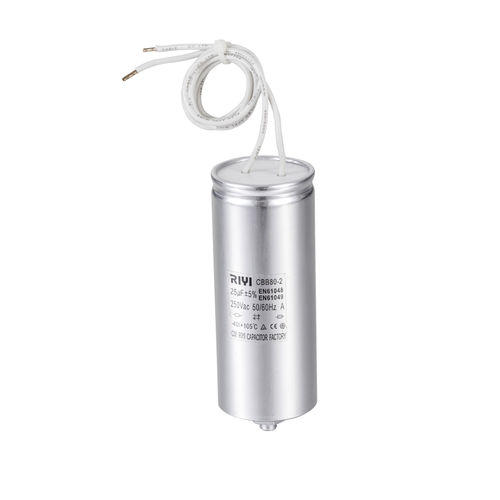
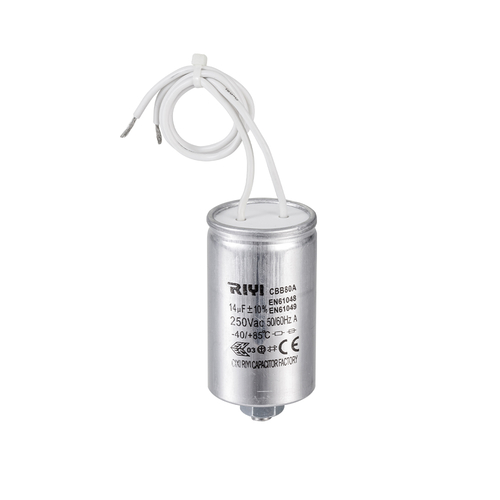
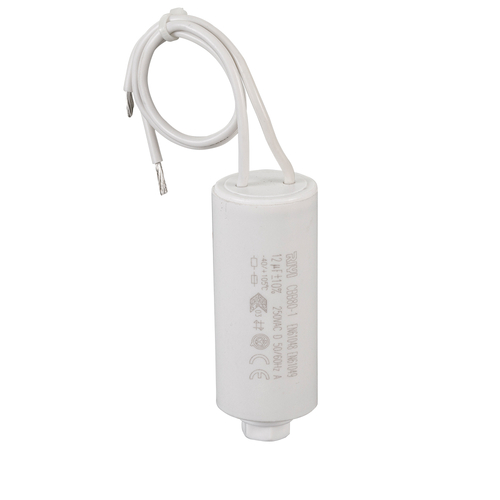
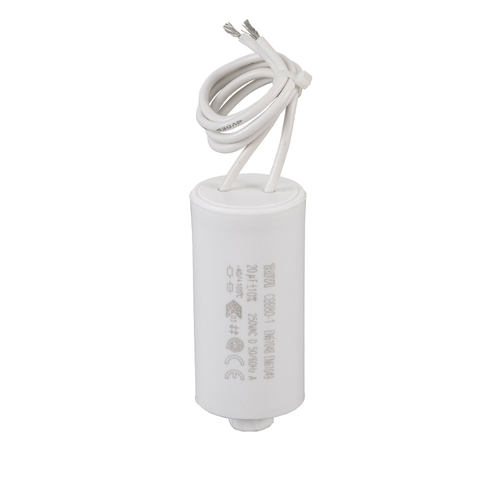
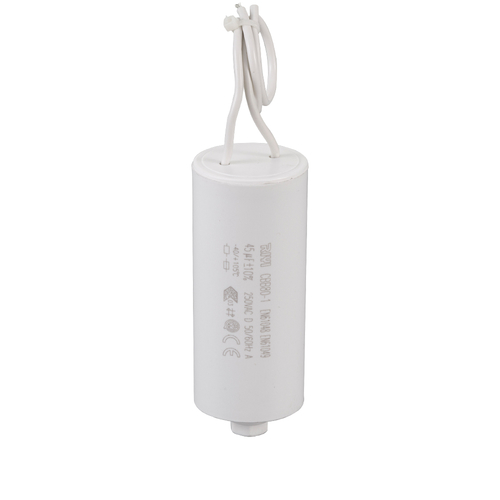
AC CBB80 lighting capacitor is a type of capacitor specifically designed for use in lighting applications. It is typically used in fluorescent lamps, high-intensity discharge (HID) lamps, and other types of lighting fixtures.
Capacitors are electrical components that store and release electrical energy. In lighting applications, capacitors are commonly used for power factor correction. Power factor is a measure of how effectively electrical power is being utilized. A low power factor can result in inefficient energy usage and increased utility costs.
The CBB80 capacitor is named after its specific construction and performance characteristics. The "CBB" designation indicates that it is a metallized polypropylene film capacitor, which means that the capacitor's dielectric (insulating material) is made of polypropylene film with a thin metal layer deposited on it.
The "80" in CBB80 refers to the operating temperature range of the capacitor, which is typically up to 80 degrees Celsius. This temperature rating ensures that the capacitor can safely operate within the specified temperature limits without compromising its performance or longevity.
AC CBB80 lighting capacitors are designed to handle the specific electrical characteristics and demands of lighting systems. They typically have a high voltage rating to accommodate the voltage levels found in lighting applications, and they are built to withstand rapid charge and discharge cycles.
When installed in lighting fixtures, CBB80 capacitors help improve the power factor and reduce reactive power in the electrical circuit. This leads to improved energy efficiency, reduced electrical losses, and better utilization of the electrical supply.
It's important to note that when working with electrical components like capacitors, proper safety precautions should be followed. Capacitors can store electrical charge even after the power is disconnected, so it's essential to discharge them safely before handling or servicing. If you have specific questions about the AC CBB80 lighting capacitor or its application, it's best to consult the manufacturer's documentation or seek professional advice from an electrician or an expert in the field.
The AC CBB80 lighting capacitor is typically used in lighting applications to improve power factor correction and reduce energy consumption. The lifespan of a capacitor can vary depending on various factors, such as operating conditions, quality of the capacitor, and the load it is subjected to.
In general, capacitors are known to have a finite lifespan and can degrade over time. It is recommended to replace capacitors periodically as a preventive maintenance measure. However, the specific replacement interval for an AC CBB80 lighting capacitor may vary based on the manufacturer's specifications and the operating conditions in which it is used.
To determine the replacement frequency for the AC CBB80 lighting capacitor, it is best to consult the manufacturer's guidelines or contact the manufacturer directly. They can provide specific information regarding the expected lifespan and replacement interval for their product. Additionally, monitoring the performance of the capacitor regularly and checking for any signs of degradation, such as bulging or leaking, can also help determine if replacement is necessary before the expected lifespan.

 简体中文
简体中文 English
 Español
 عربى
عربى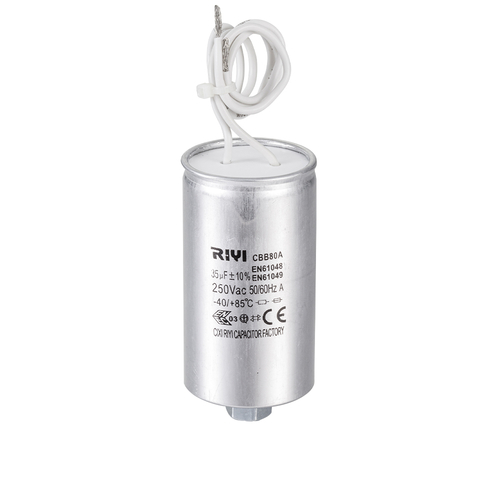



 +86-13600614158
 +86-0574-63223385
 Zonghan Street,Cixi City,Zhejiang Province,China.