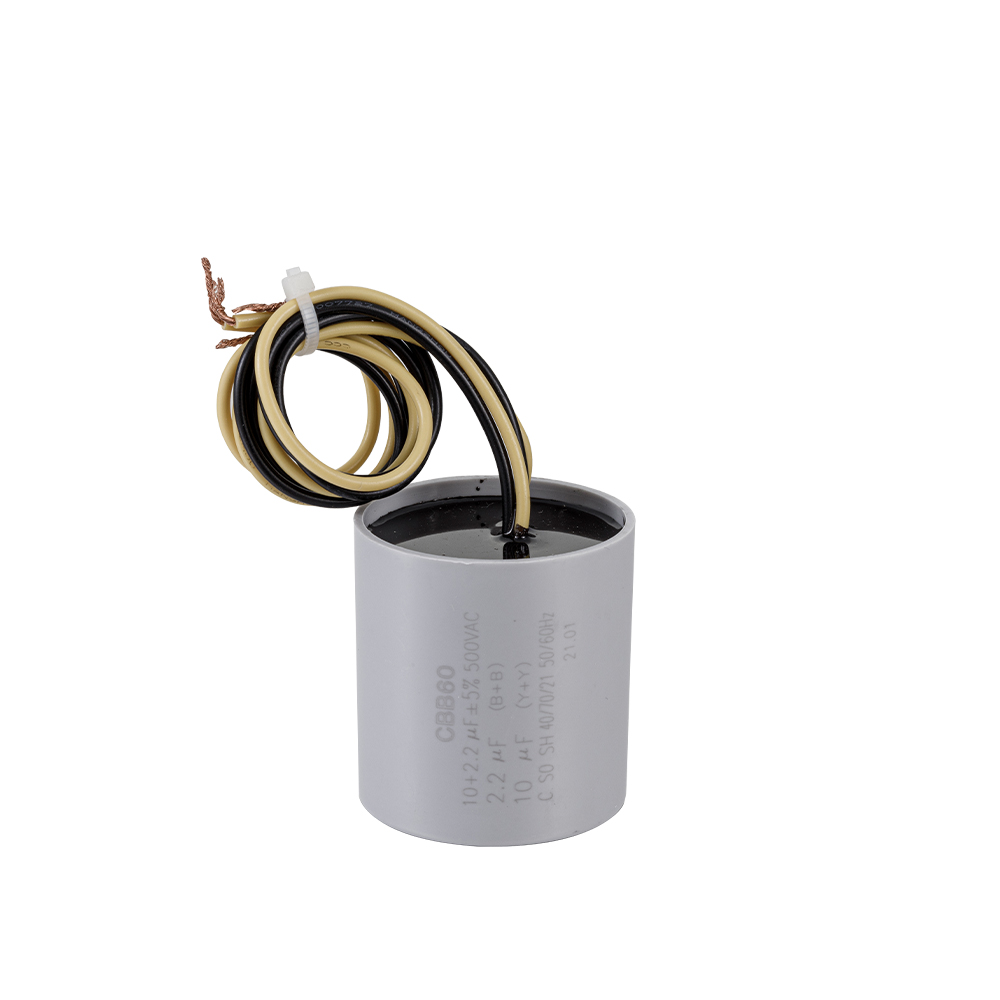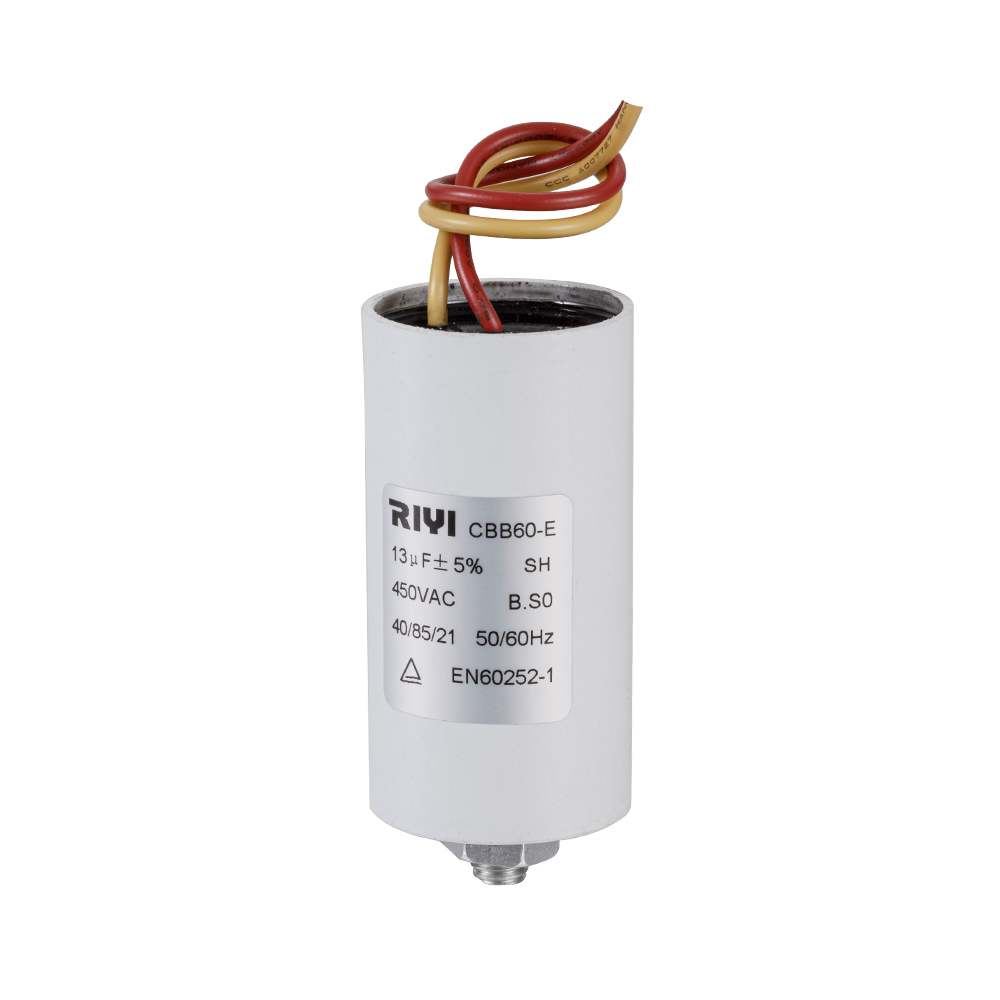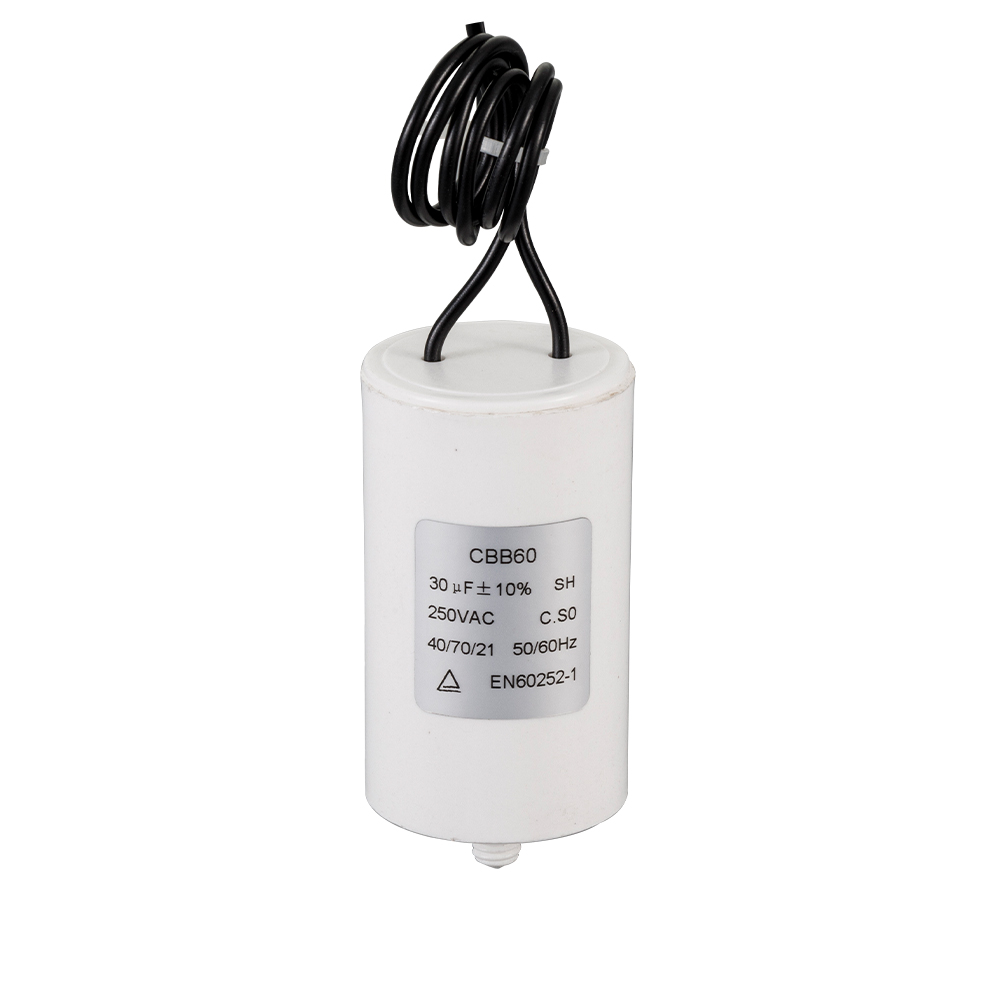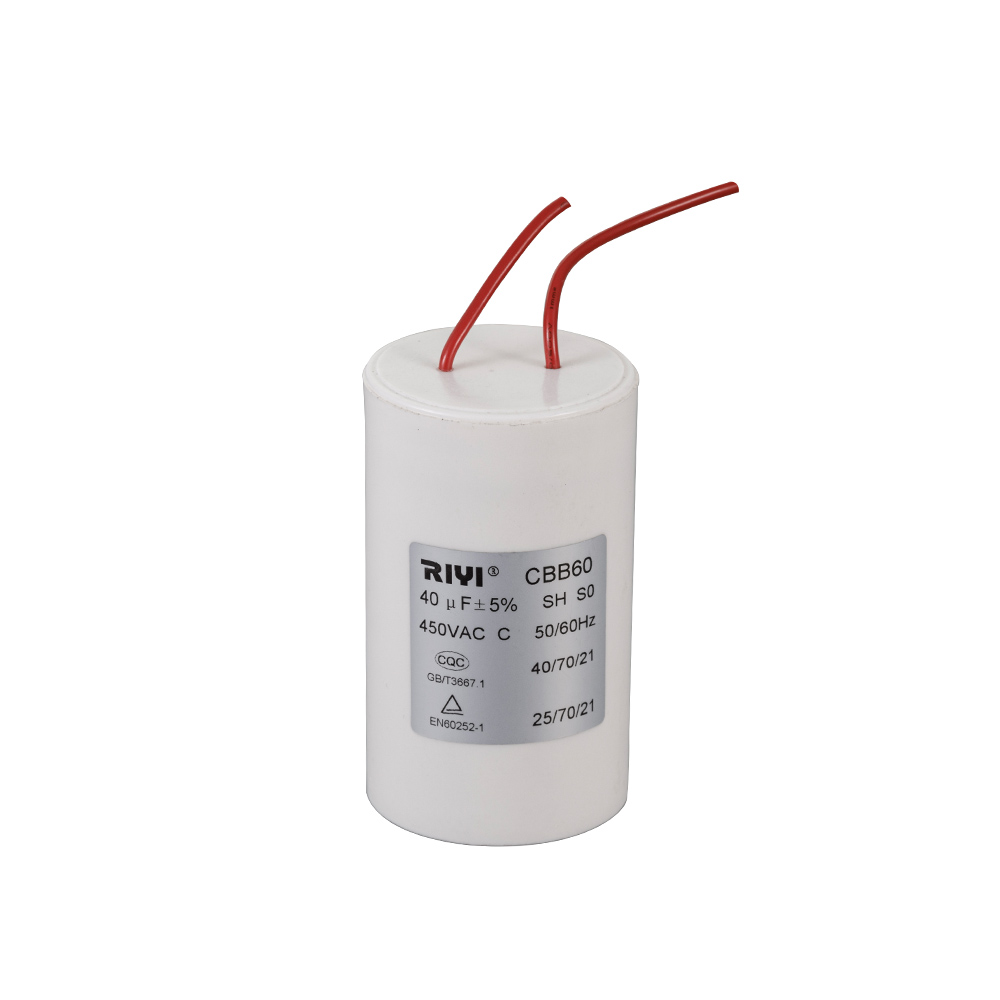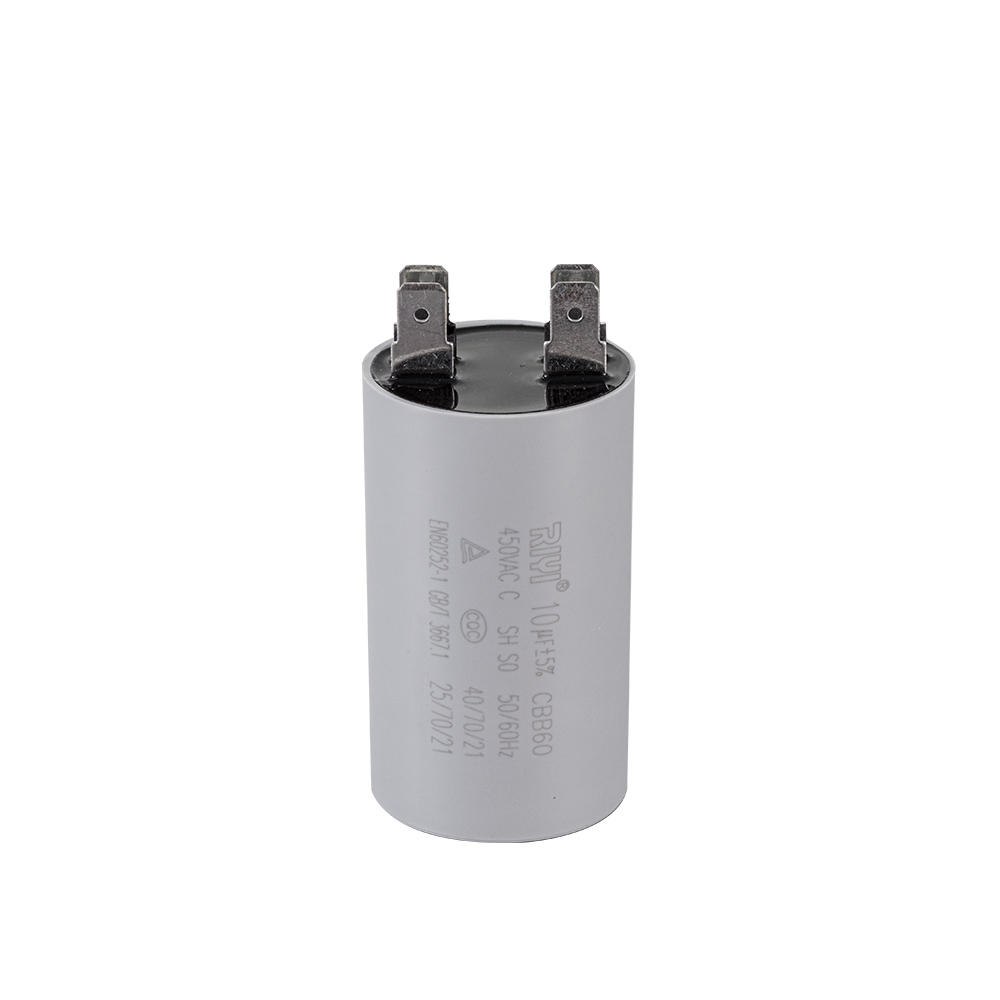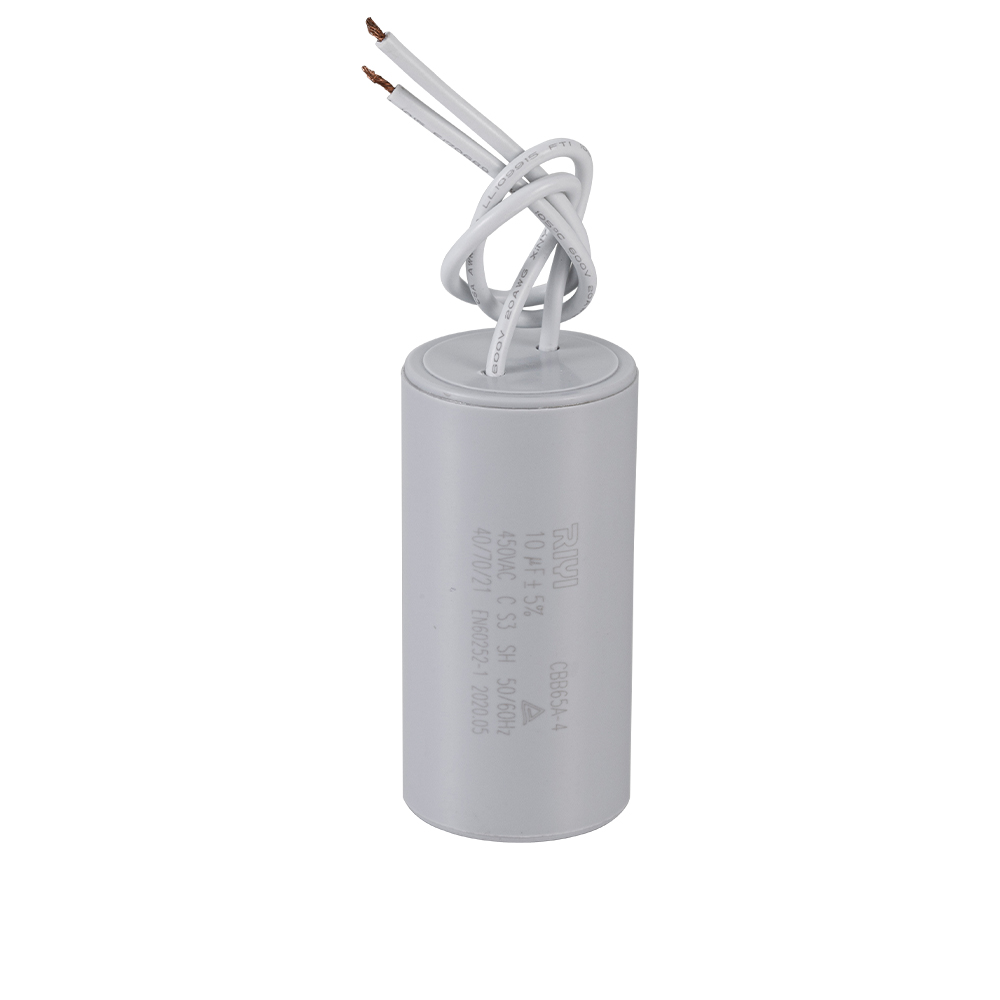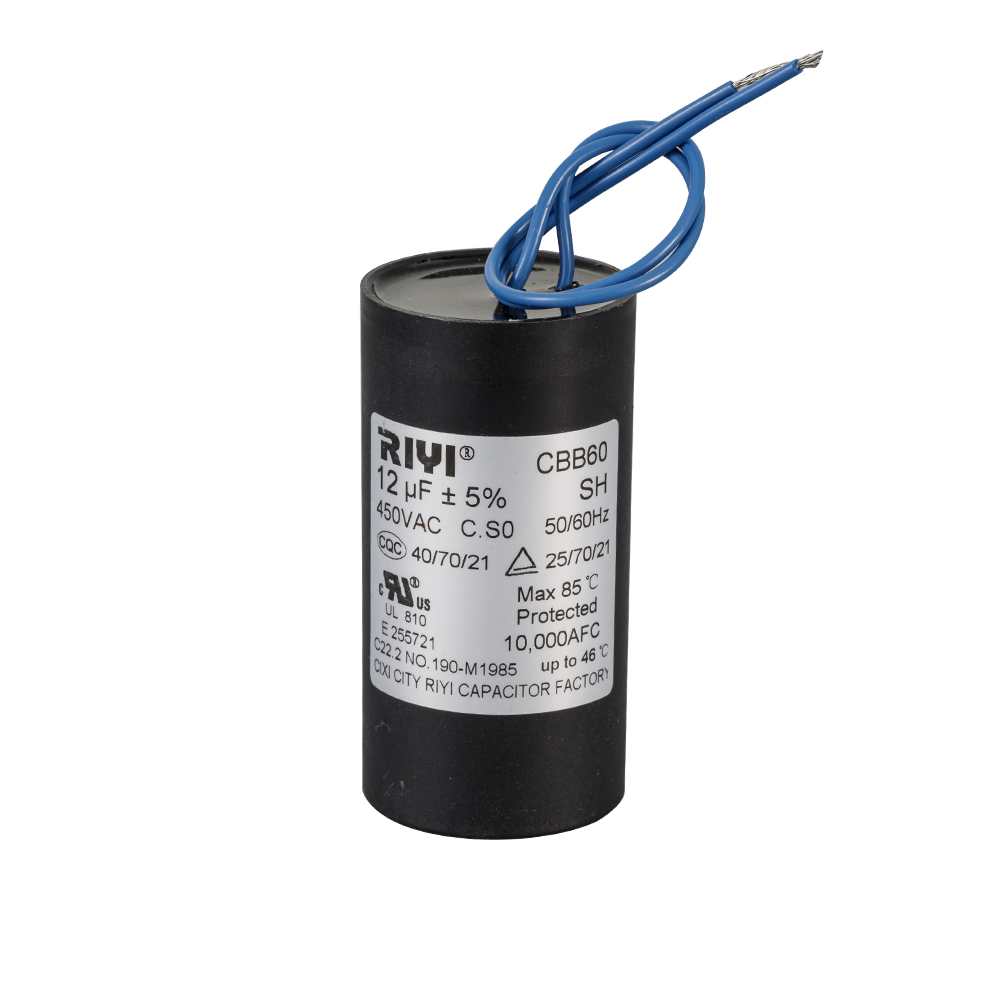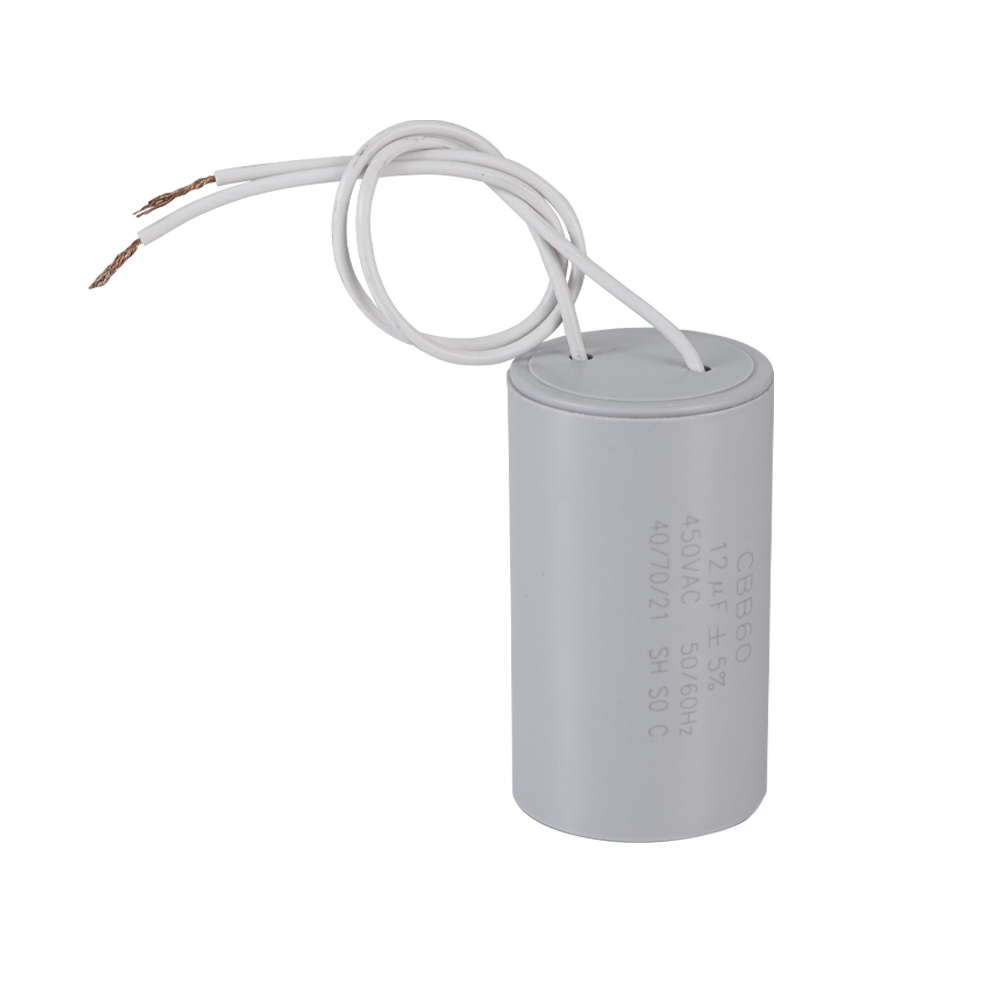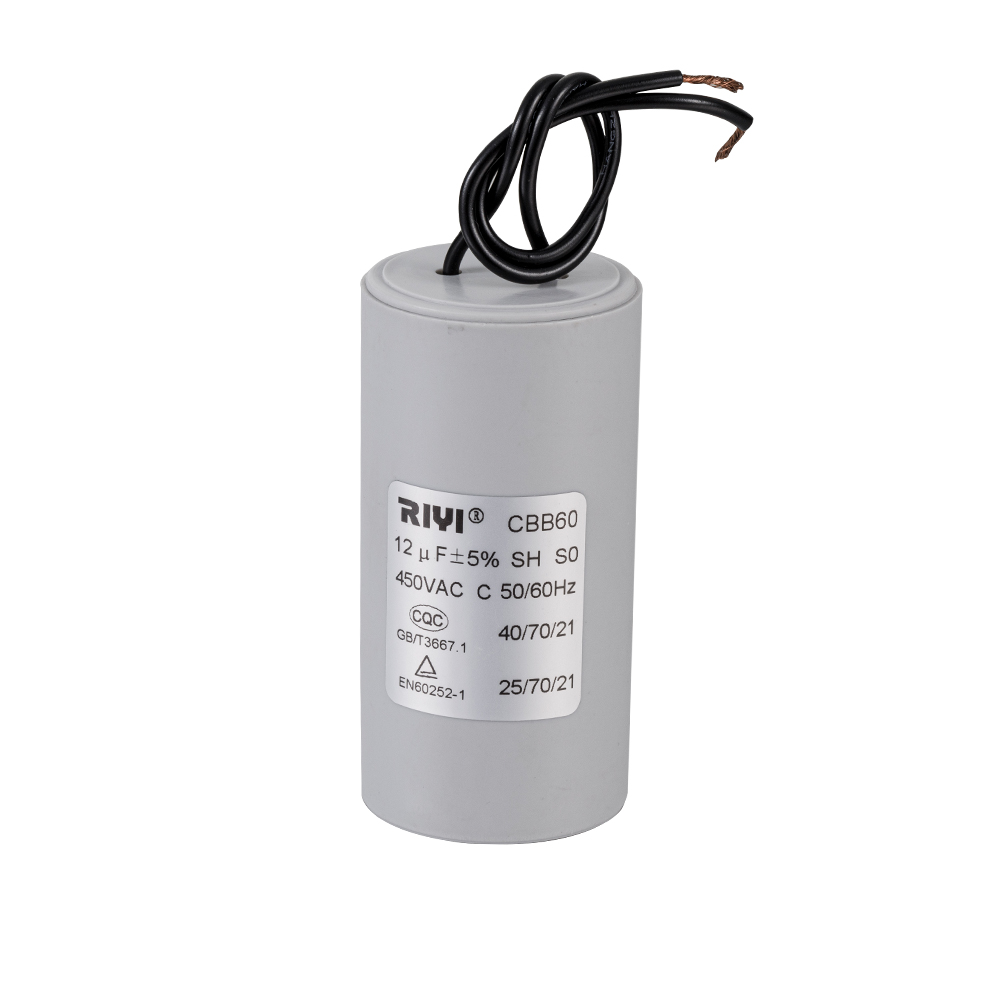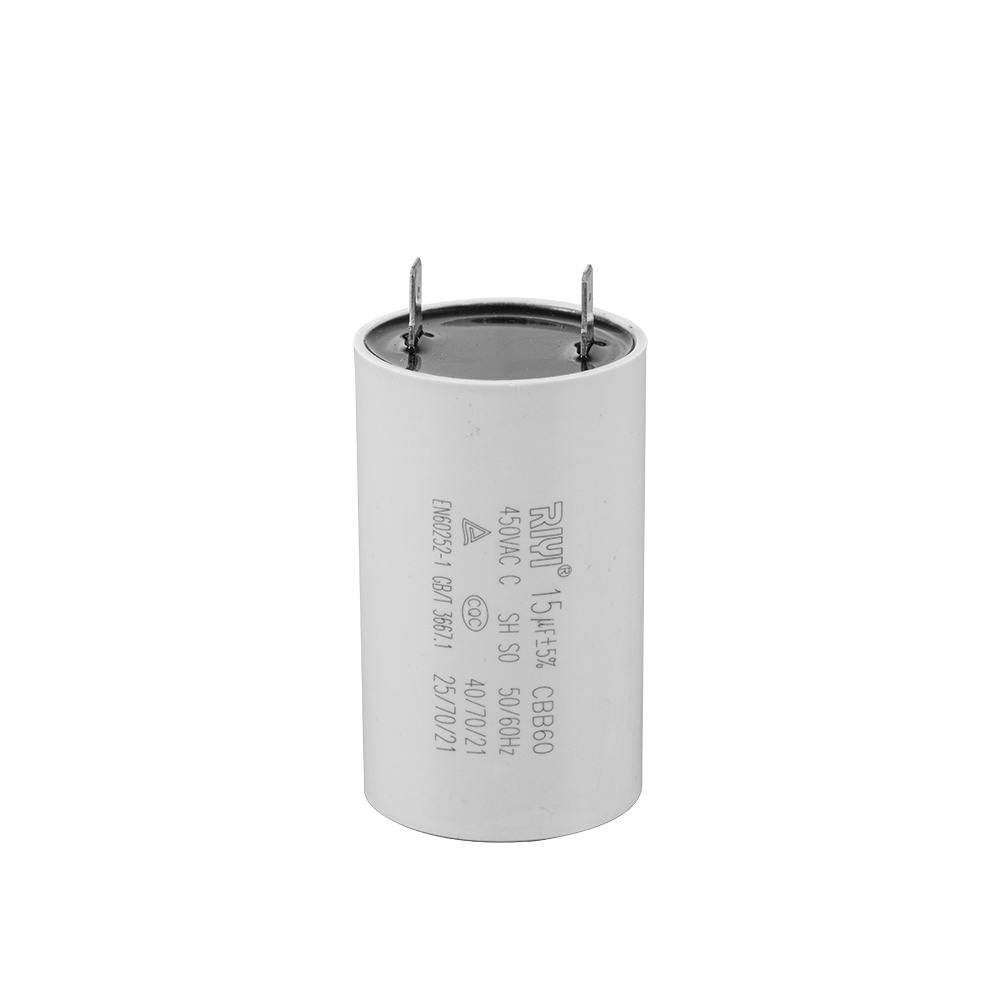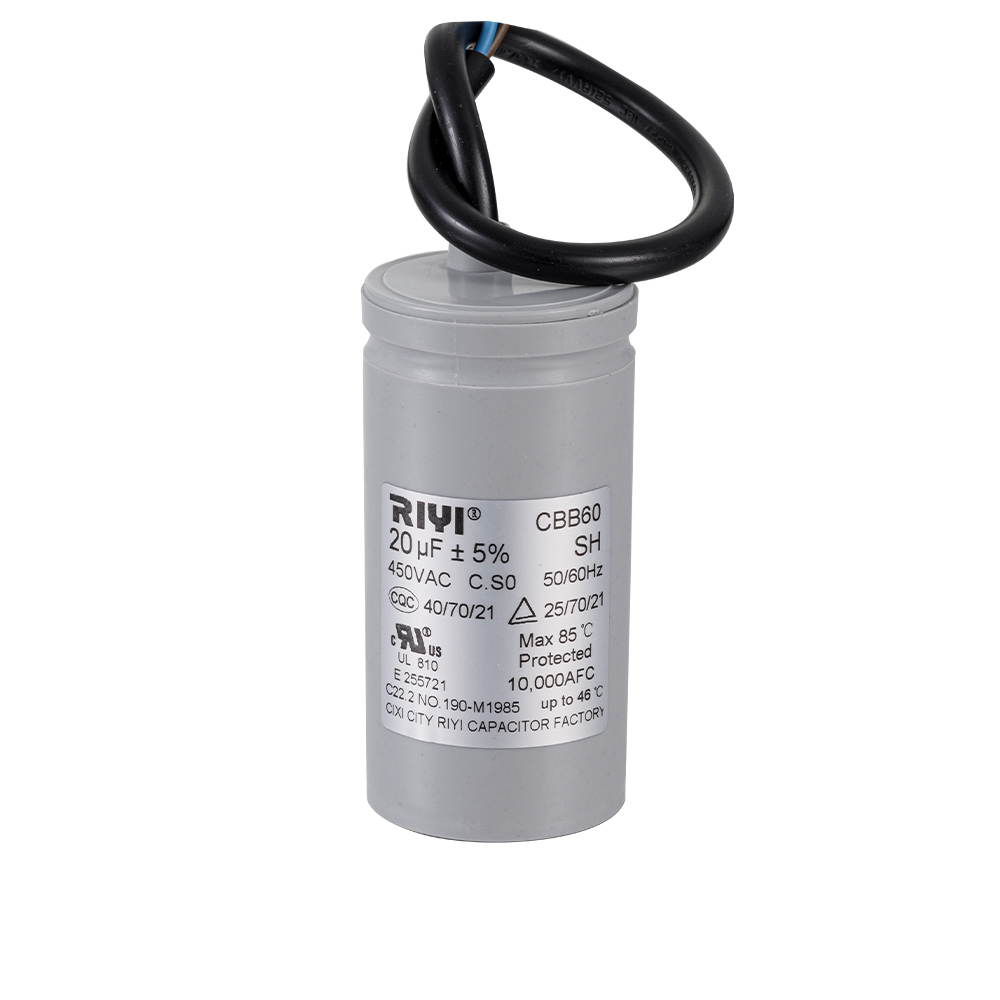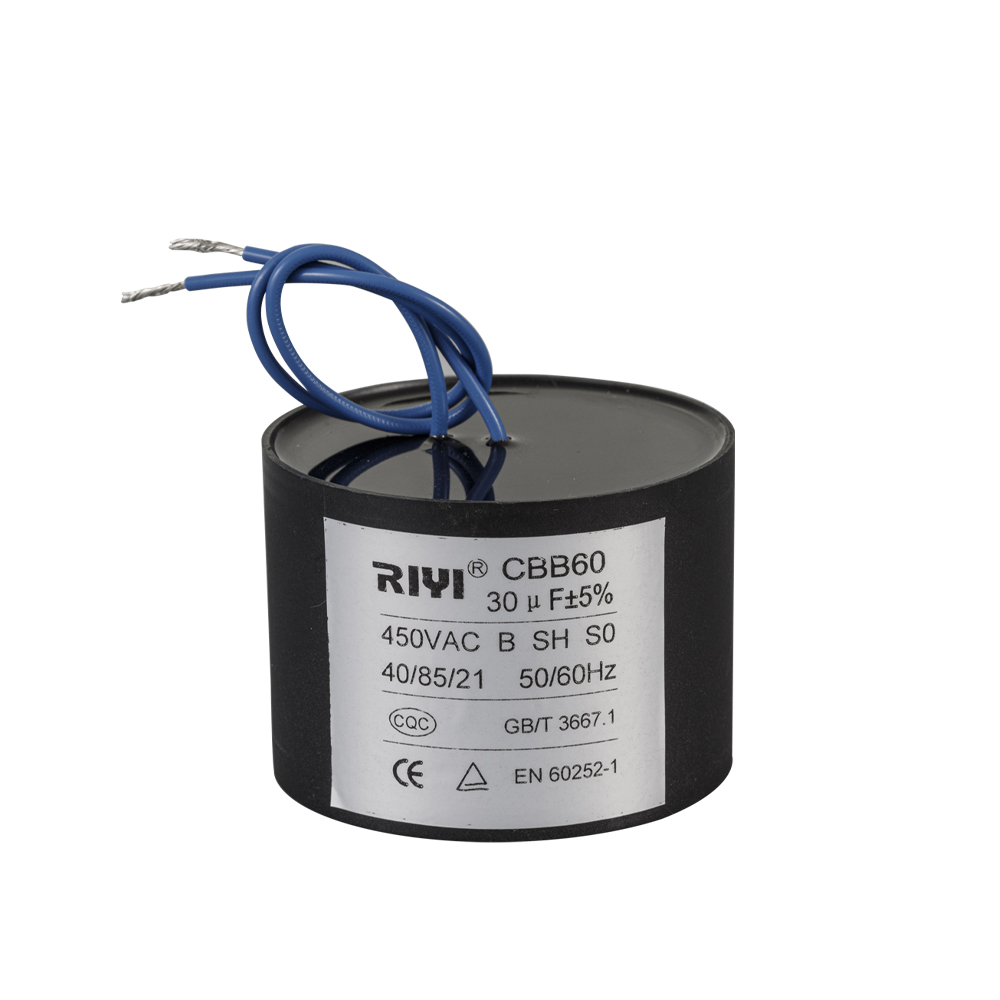
Plastic Case Capacitor

Home / Product / CBB60 AC Motor Capacitor / Plastic Case Capacitor

AC Cbb60 Plastic Case Capacitor Suppliers

Company Profile

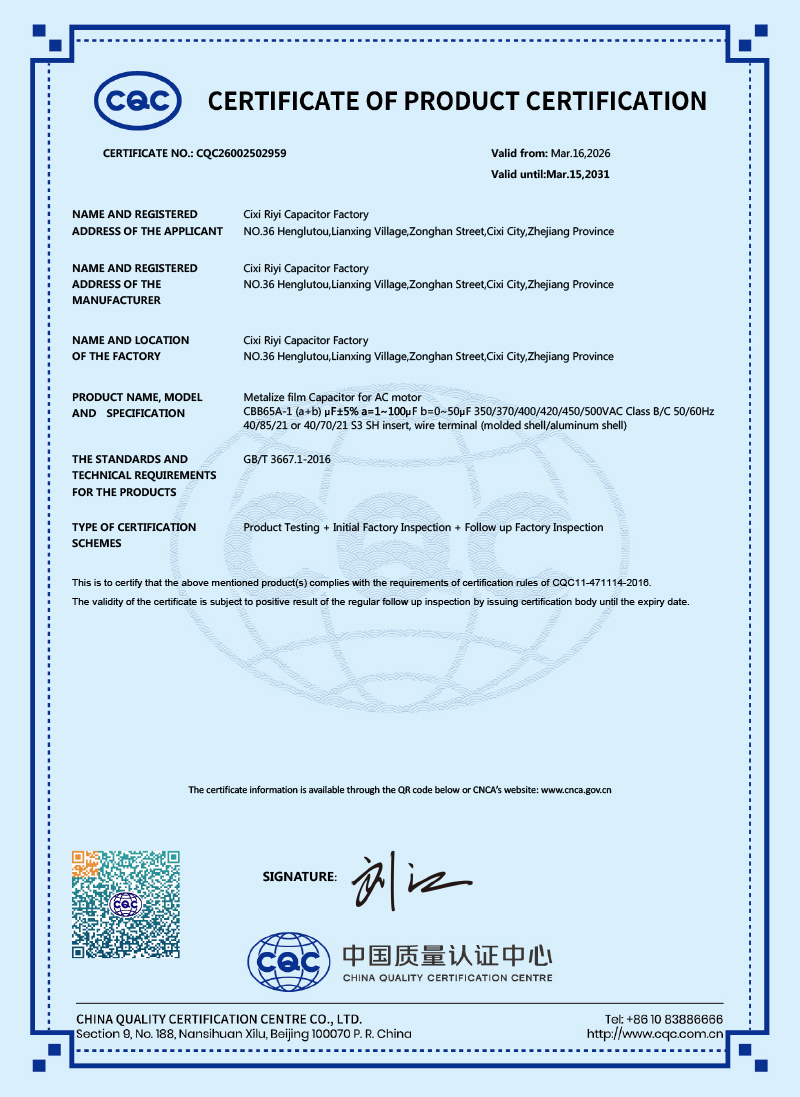
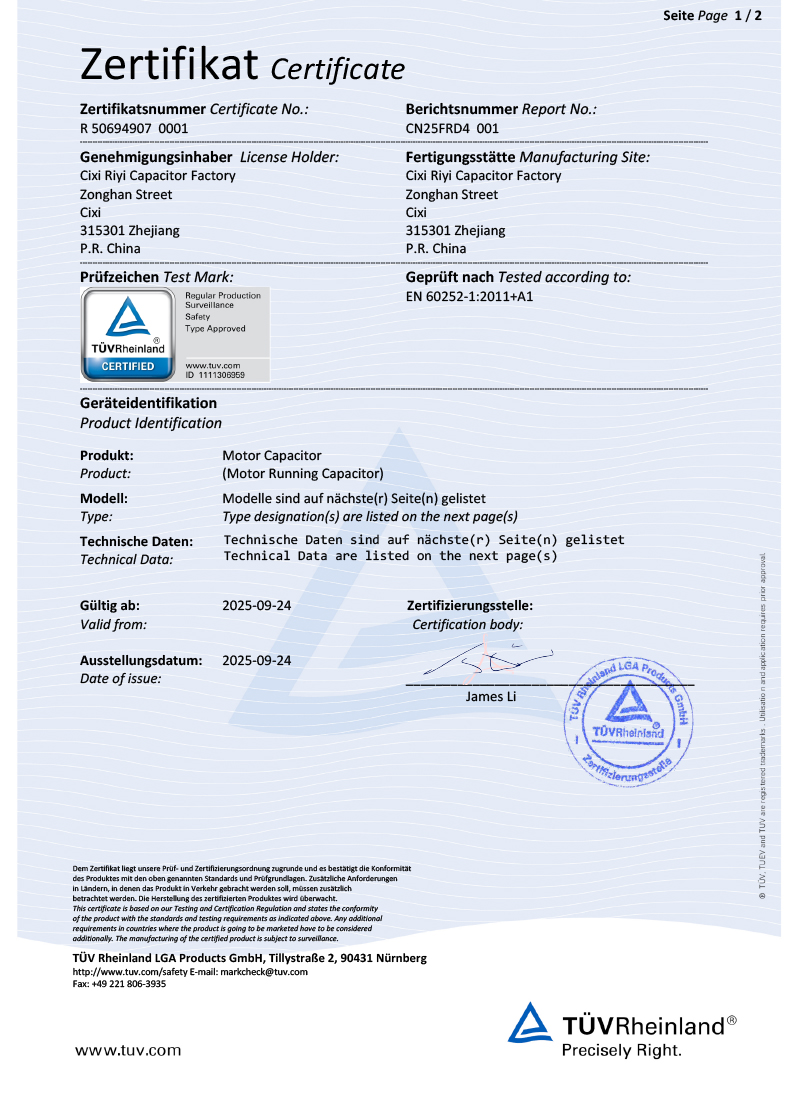
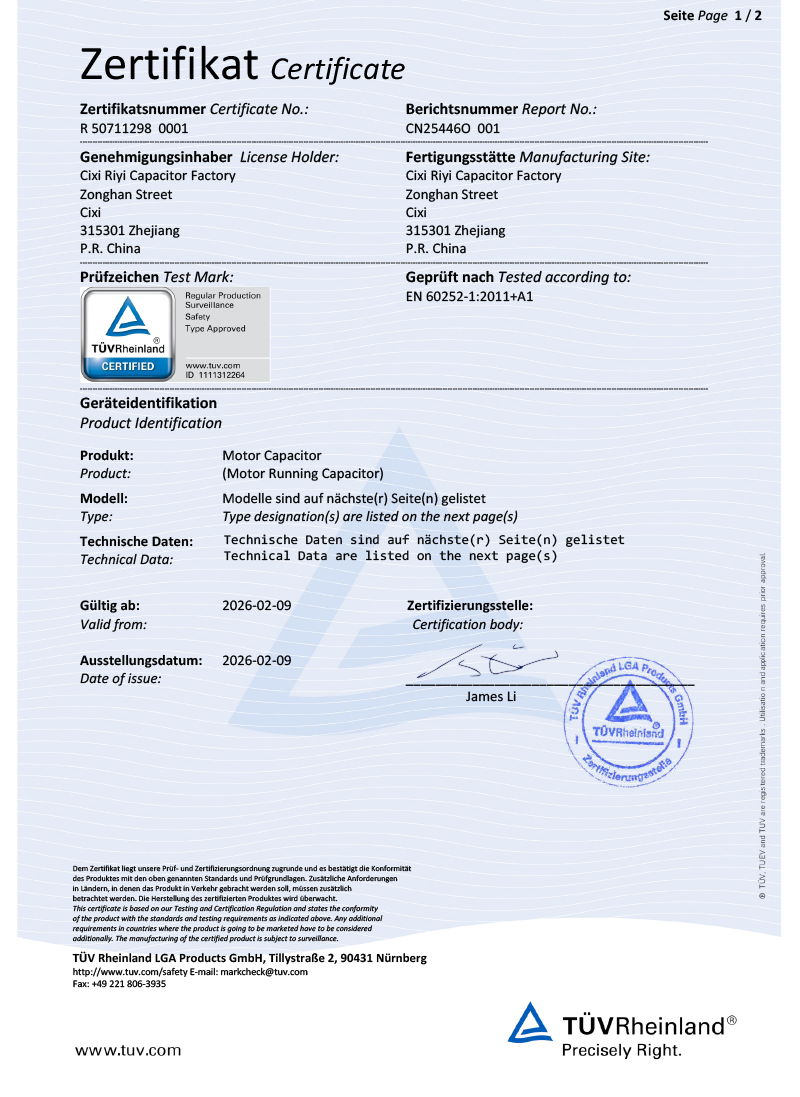
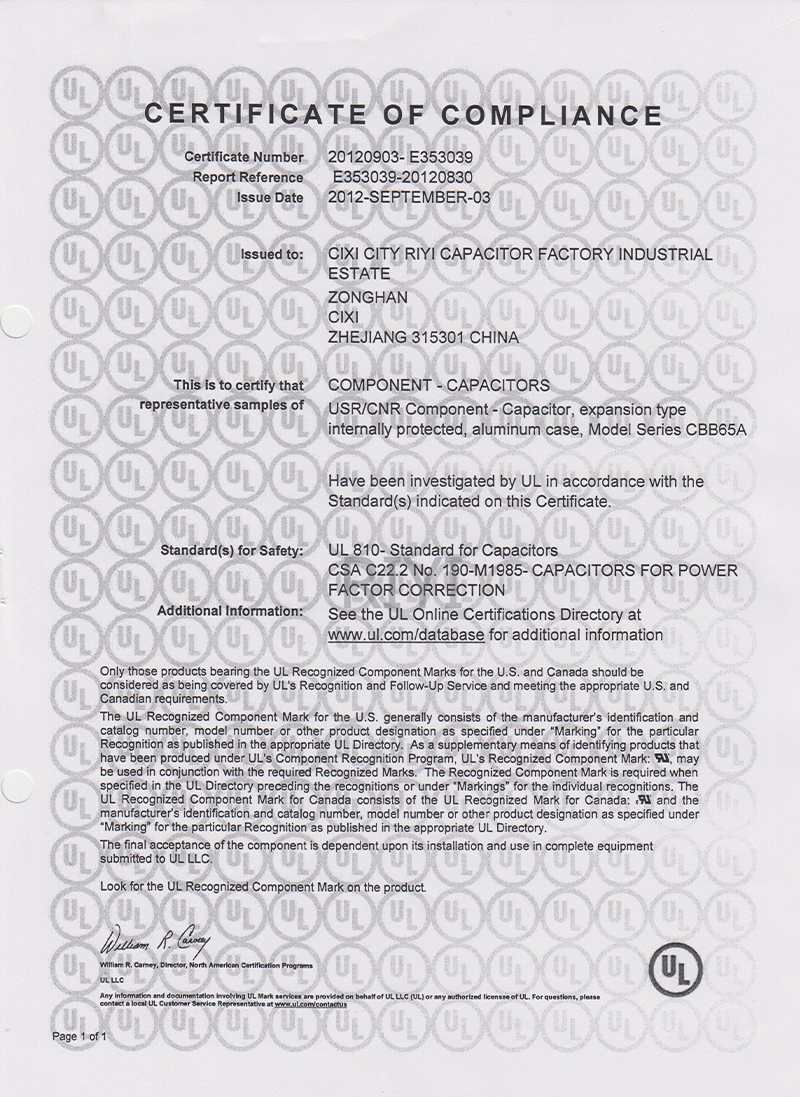
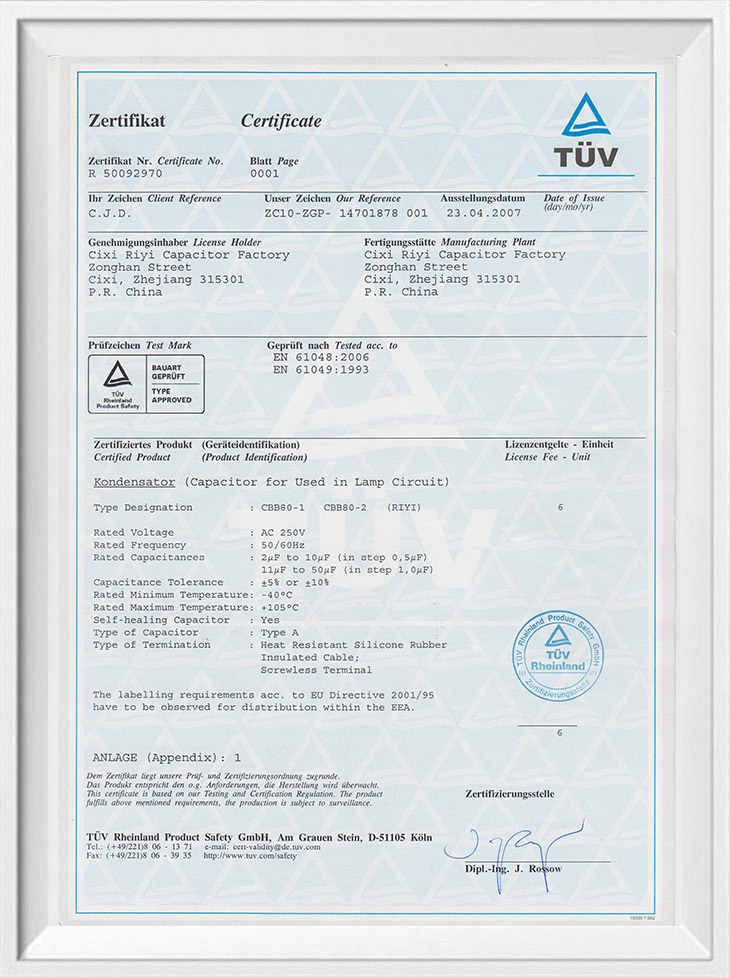
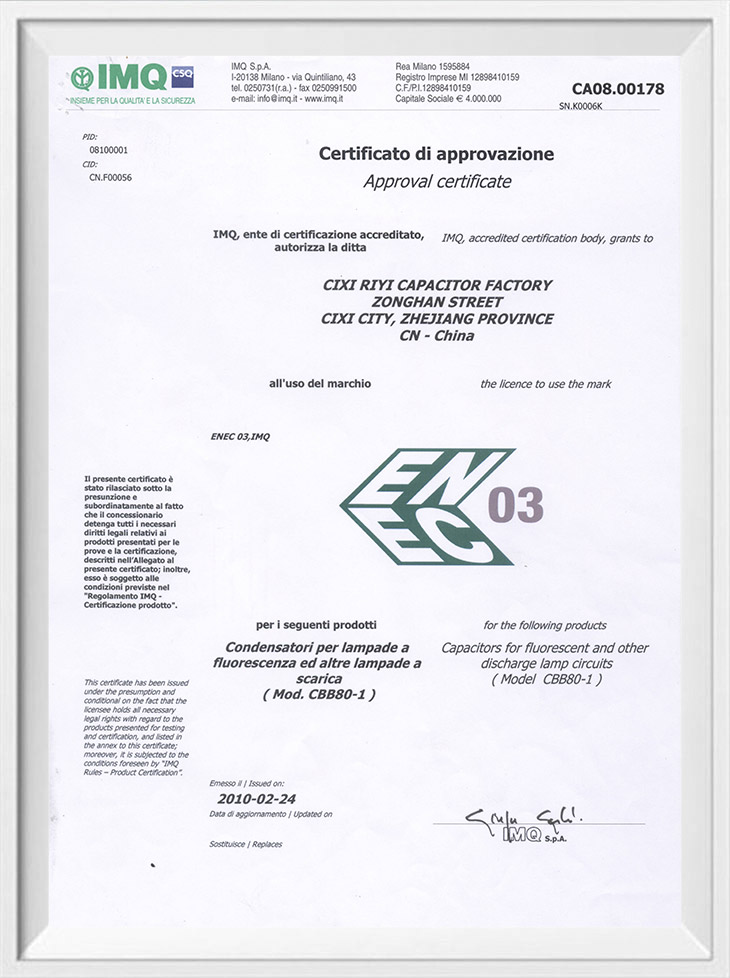
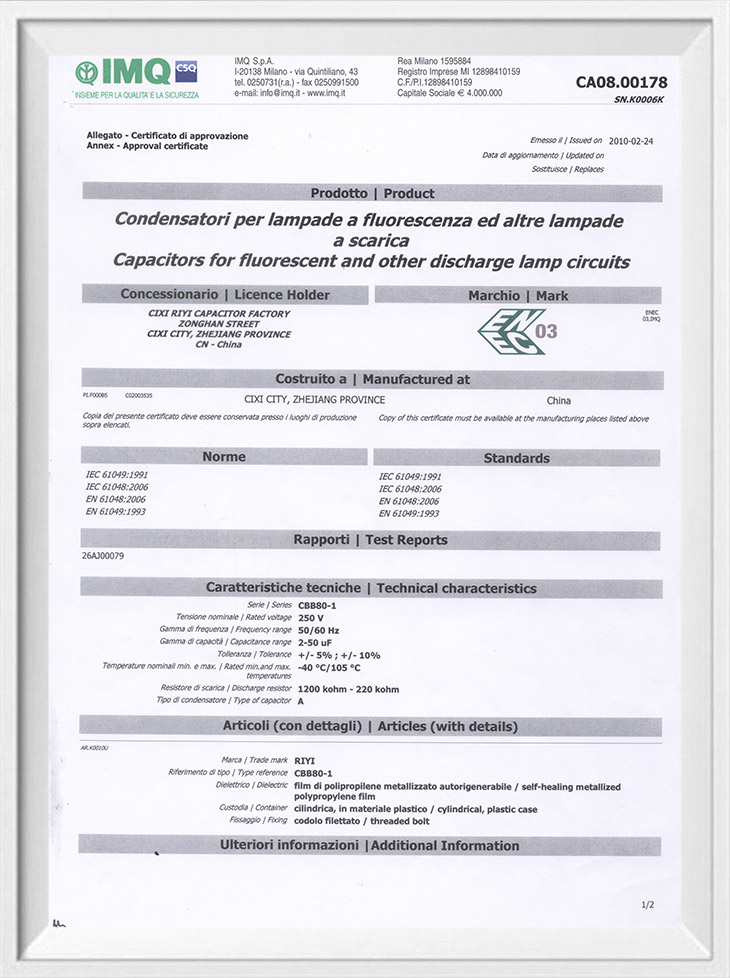
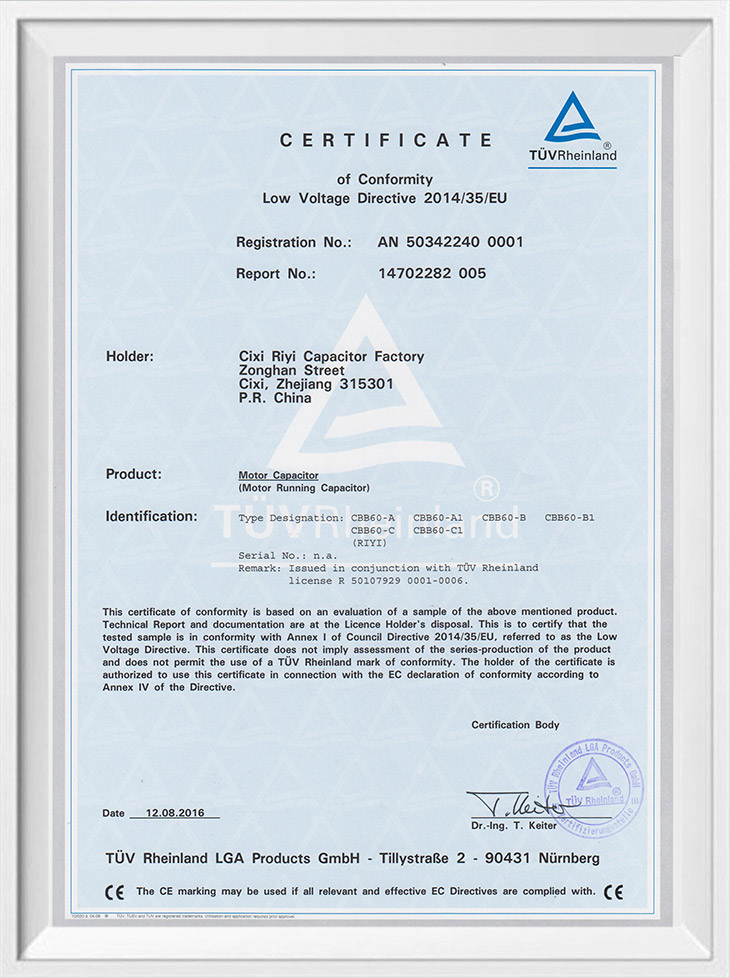
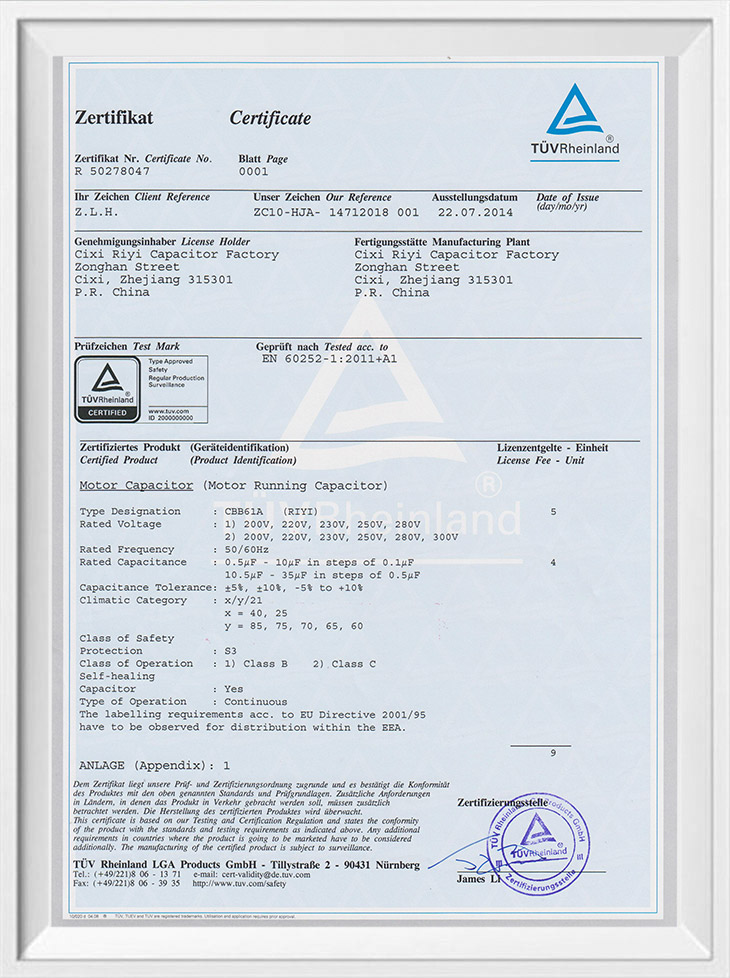
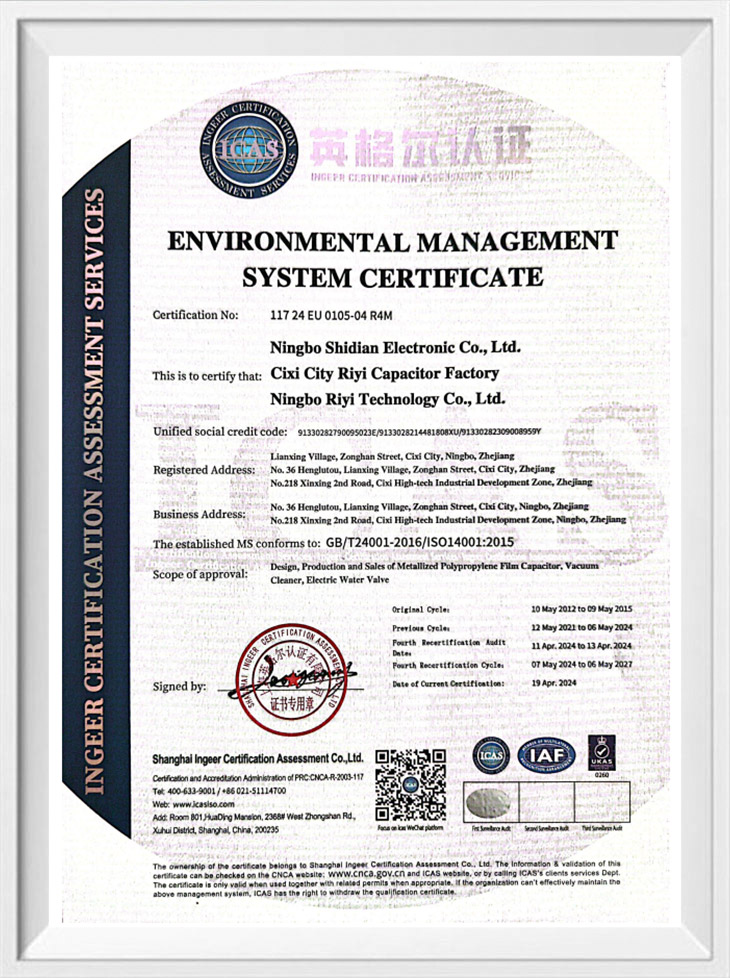
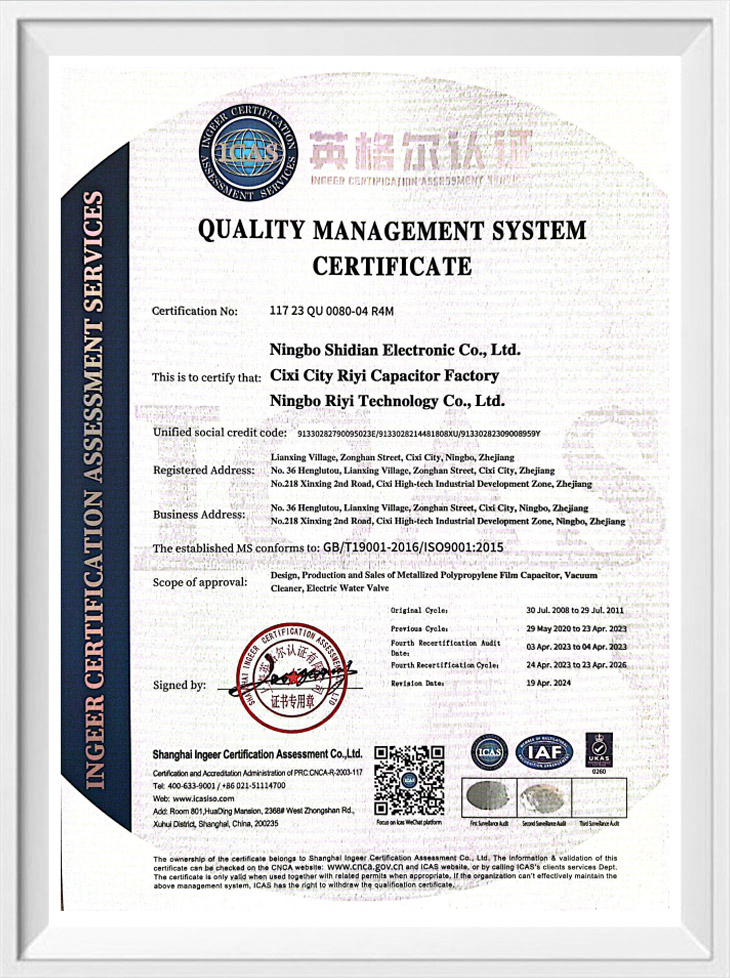
Cixi Riyi Capacitor Factory is direct Plastic Case Capacitor suppliers. Our Capacitors varieties are diversified and applicable to a wide range of fields, such as washing machines, dryers, air conditioners, range hoods, water pumps, fans, motors, etc. We can wholesale Cbb60 AC Plastic Case motor Capacitor. Many capacitors can be installed universally. We also can make customized products. We develop and produce products based on drawings or samples provided by customers. These Capacitors have been exported to dozens of countries such as the United States, Indonesia, the Philippines, Indonesia, Turkey, and Egypt. All kinds of products have obtained certificates such as CQC, TUV, VDE, IMQ, UL, CE, etc.
  • 25000+m²

    Factory area

  • 25 million+

    Annual output

  • 2 major ports

    transport

Honor

latest news

29

2026.06
uF Capacitor Meaning: What It Is, How It Works & CBB60 Guide

What Does uF Mean on a Capacitor? The abbreviation uF stands for microfarad, a unit used to measure a capacitor's electrical capacitance — its ability to store electric charge. One microfarad equals one-mill...

Read more

22

2026.06
Understanding C65R and CBB65 Capacitor Specs & Applications

Direct Overview and Functional Conclusion The c65r capacitor and the broader cbb65 capacitor family serve as vital components in modern electrical engineering, primarily acting as motor run capacitors for hig...

Read more

15

2026.06
180 Ohm Resistor: Color Code, Types, Uses & CBB60 Capacitor Guide

What Is a 180 Ohm Resistor and Why Does It Matter in Electronics A 180 ohm resistor is a passive two-terminal component that limits current flow to a fixed resistance of 180 ohms in an electronic circuit. I...

Read more

08

2026.06
10nF to µF Conversion: CBB60 Capacitor Selection Guide

10nF to µF: The Direct Answer and Why It Matters for Capacitor Selection 10 nanofarads (nF) equals 0.01 microfarads (µF). The conversion is straightforward: 1 µF = 1,000 nF, so dividing 10 by 1,000 gives you ...

Read more

01

2026.06
1 Microfarad Capacitor Guide: CBB60 Specs, Uses & Replacement Tips

What Is a 1 Microfarad Capacitor and Why Does It Matter A 1 microfarad (1 µF) capacitor stores one millionth of a farad of electrical charge. That might sound trivially small, but in practice it represents on...

Read more

25

2026.05
Which Home Appliances Use a CBB60 Capacitor? Full Guide

Which Home Appliances Commonly Use CBB60? The direct answer: the CBB60 capacitor is most commonly found in single-phase AC motors used in water pumps, air conditioners, washing machines, pool pumps, and compre...

Read more

18

2026.05
CBB60 Capacitor for Water Pump: Selection & Replacement Guide

Yes — a CBB60 capacitor is not just compatible with water pumps; it is specifically engineered for them. This run capacitor is the standard choice for single-phase AC water pump motors found in residential wel...

Read more

Industry Knowledge Development

The AC CBB60 capacitor is a type of motor run capacitor commonly used in single-phase AC motors and other electrical applications. It is designed for continuous operation and provides the necessary capacitance to improve motor performance and efficiency.

The "CBB60" designation refers to the capacitor's construction and specifications. The "C" indicates that it is a capacitor, the "BB" represents the series or family of capacitors, and the "60" denotes the operating voltage rating in the unit of volts (V). In this case, CBB60 capacitors are typically rated for 250VAC or 450VAC.

The plastic case of the CBB60 capacitor refers to the outer housing or enclosure that holds the internal capacitor elements. The plastic case provides electrical insulation, mechanical protection, and helps to maintain the integrity of the capacitor's components.

When selecting a CBB60 capacitor, it is important to consider the required capacitance value (measured in microfarads, μF), the voltage rating, and any specific operating conditions or standards for your application. It's recommended to consult the motor's specifications or consult an electrical professional to ensure the correct capacitor is chosen for your specific needs.

To maintain an AC CBB60 plastic case capacitor, follow these guidelines:
1.Power Off: Before performing any maintenance or handling, make sure to turn off the power supply to the AC unit or equipment where the capacitor is installed. This will ensure your safety and prevent any electrical hazards.
2.Visual Inspection: Inspect the capacitor for any signs of physical damage, such as cracks, bulges, or leakage. If you notice any such damage, the capacitor may need to be replaced. Do not attempt to repair a damaged capacitor.
3.Cleanliness: Keep the capacitor clean by periodically removing any dust or debris that may accumulate on its surface. Use a soft brush or cloth to gently wipe away the dirt. Avoid using water or any liquid cleaners, as they can damage the capacitor.
4.Terminals and Connections: Check the capacitor terminals and connections for any loose or corroded parts. Ensure that all the connections are tight and secure. If you notice any loose connections or signs of corrosion, consult a professional technician to rectify the issue.
5.Temperature and Ventilation: AC capacitors generate heat during operation. Ensure that the capacitor is installed in a well-ventilated area to dissipate heat effectively. Avoid placing objects or covering the capacitor that may obstruct airflow and cause overheating.
6.Operating Conditions: Capacitors are designed to work within specific voltage and temperature ranges. Make sure the capacitor is operating within its specified limits. Excessive voltage or high temperatures can reduce the lifespan of the capacitor or cause it to fail prematurely.
7.Regular Maintenance: Schedule regular maintenance inspections for your AC unit or equipment, including the capacitor. Professional technicians can check the capacitor's performance, measure capacitance, and ensure it is functioning optimally.
8.Replacement: Capacitors have a limited lifespan, and over time, they may degrade or fail. If you notice any signs of capacitor failure, such as reduced cooling capacity or frequent system malfunctions, consult a qualified technician to evaluate and replace the capacitor if necessary.

Remember, capacitors store electrical energy even when the power is turned off, so always exercise caution and follow appropriate safety measures when handling or working with them. If you are unsure or uncomfortable performing maintenance yourself, it's best to seek professional assistance to ensure safety and proper functioning of your AC system.

Contact Us

*We respect your confidentiality and all information are protected.