
 en
en
 English
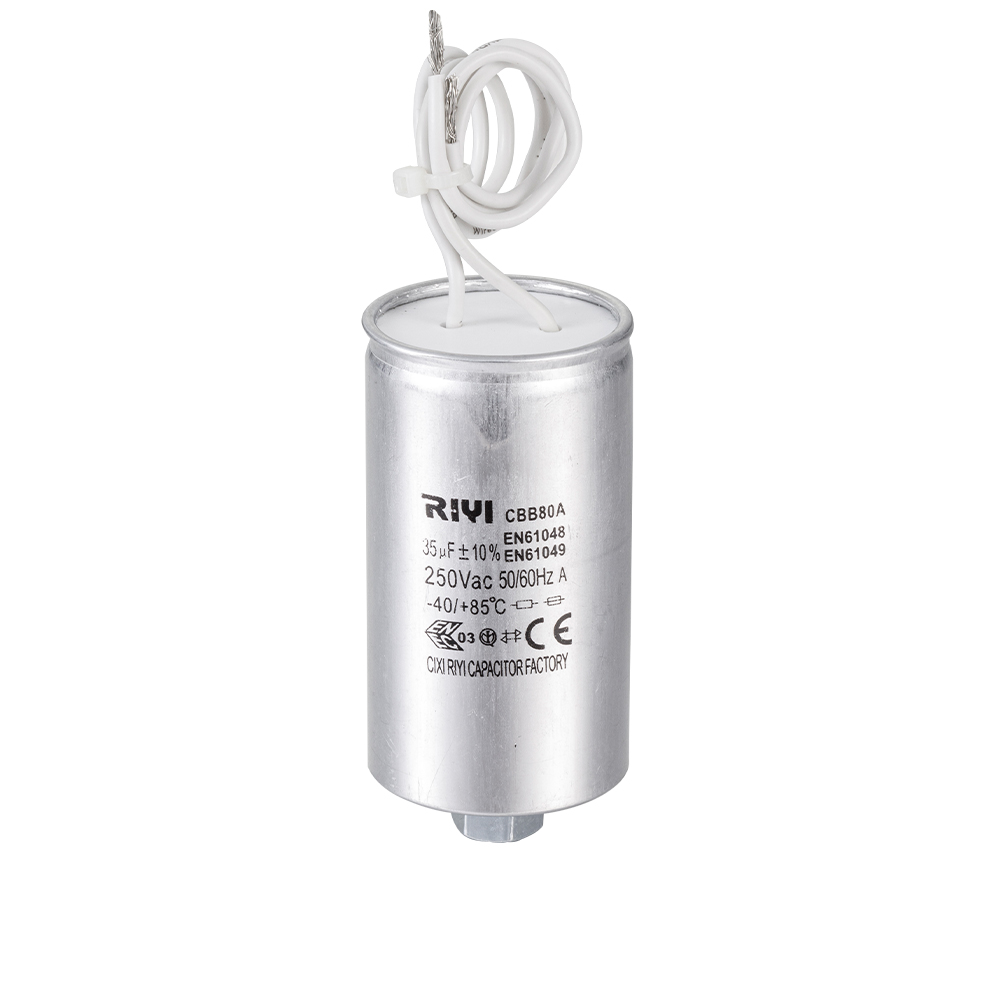
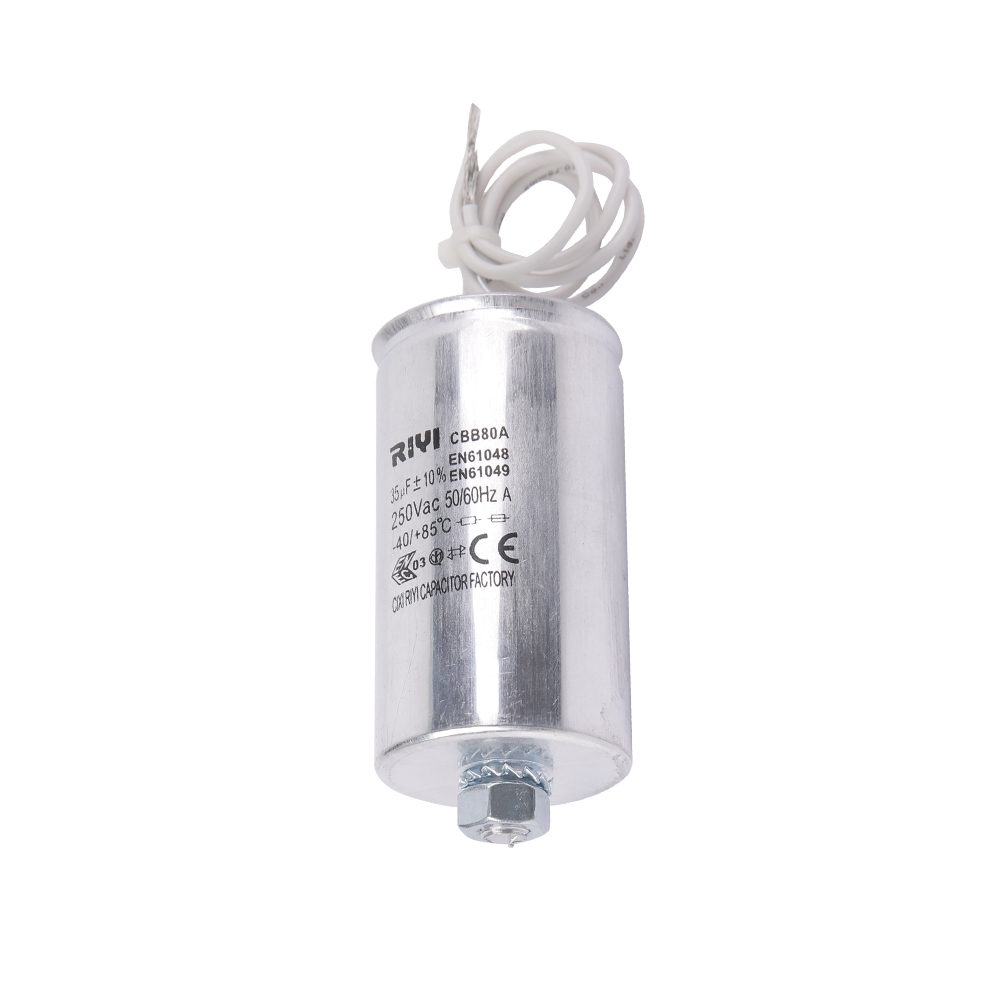
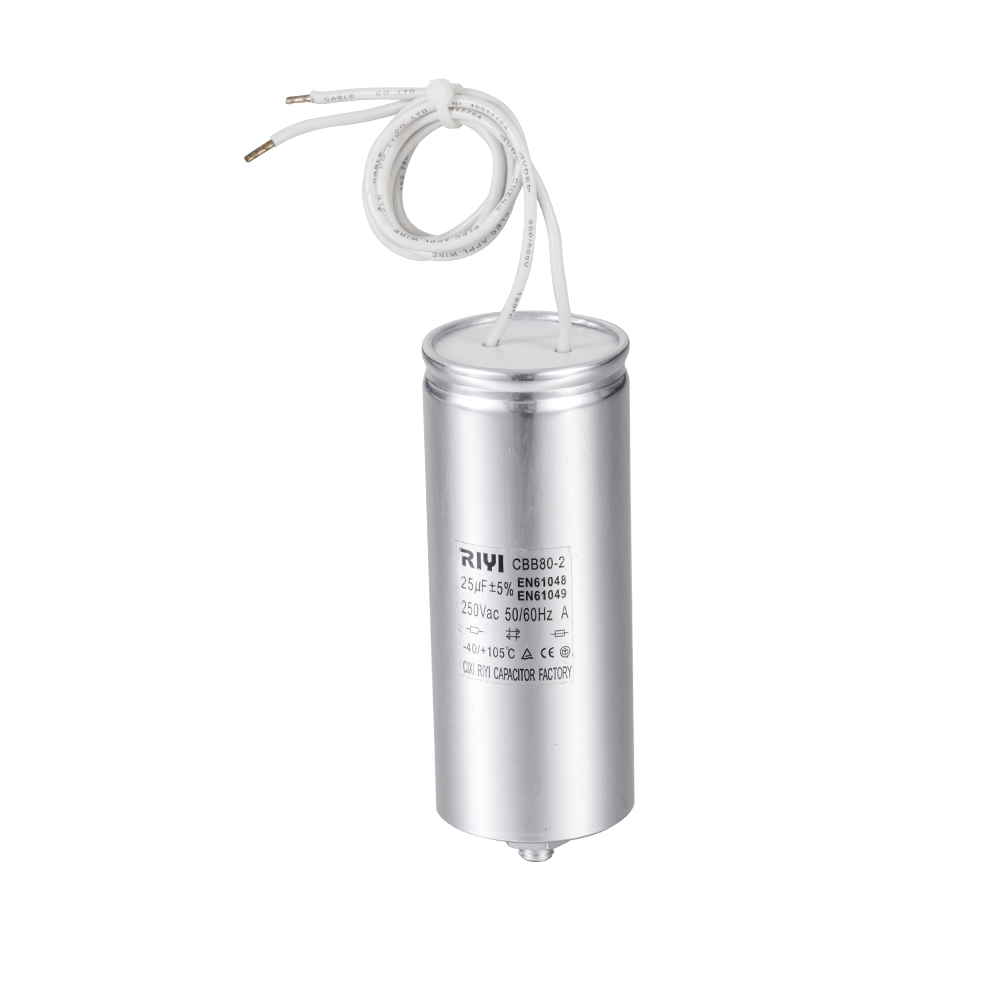
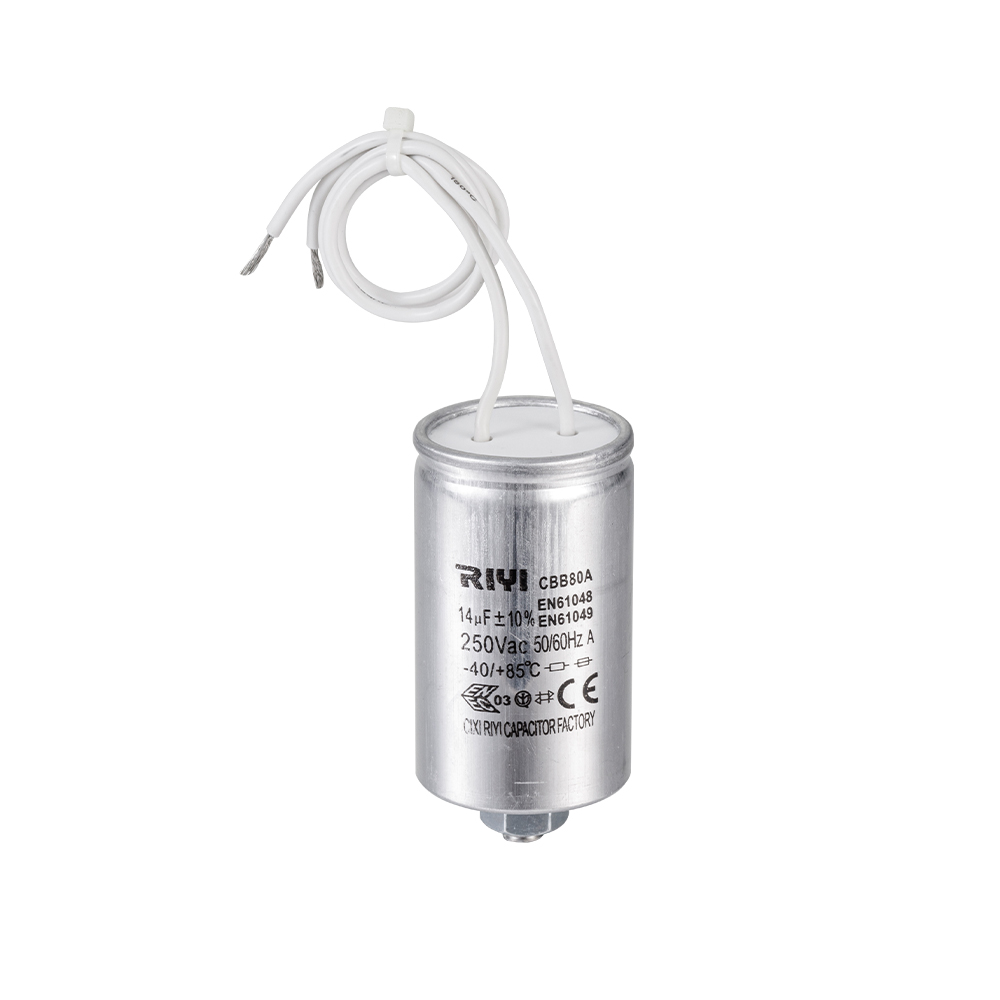
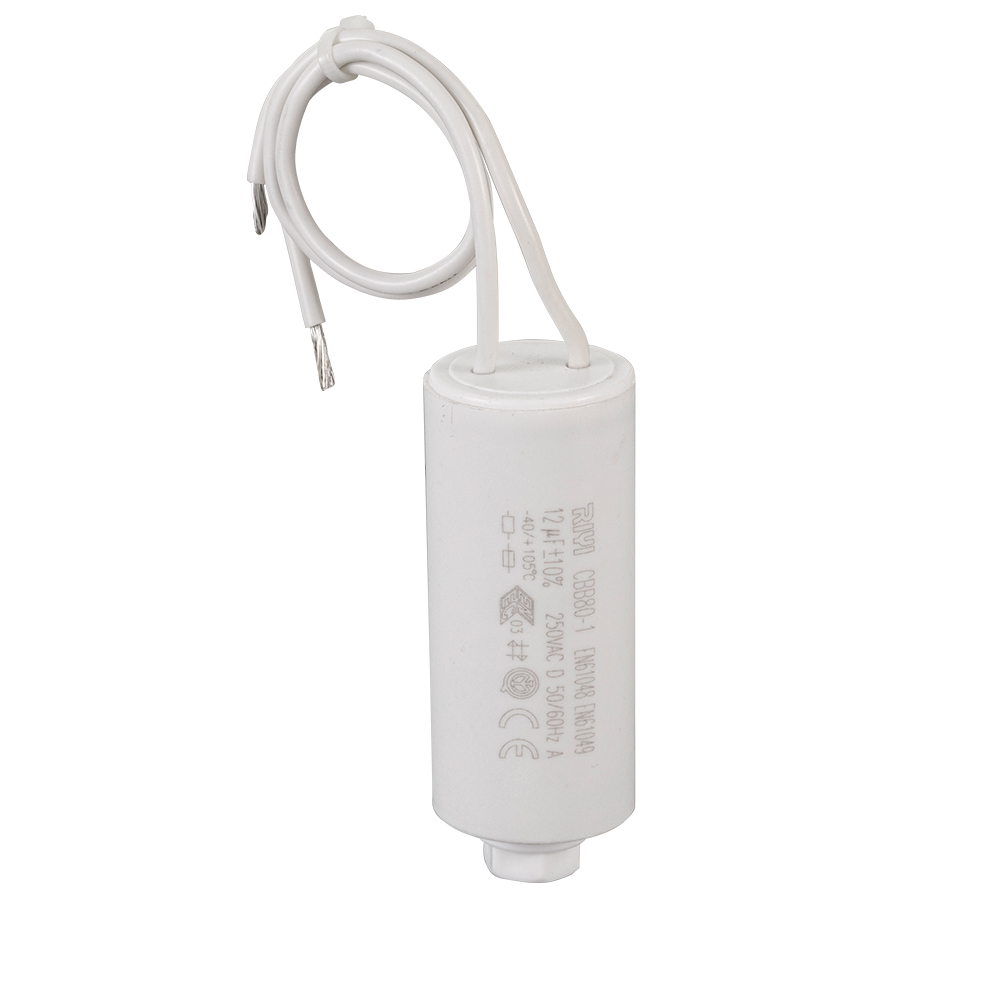
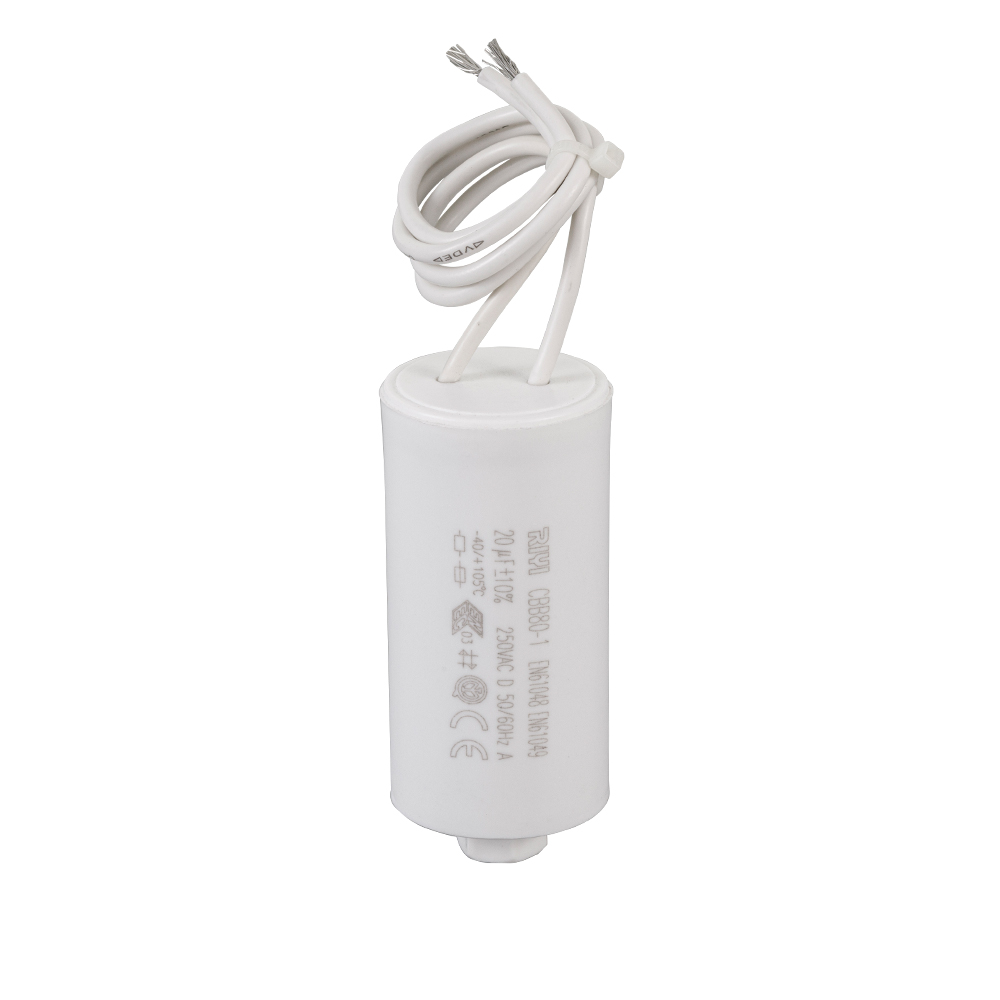
CBB80 Aluminum Shell, Lead 85℃ With Screw, With Resistance, Electric Fuse
This CBB80 aluminum-cased capacitor is a key power compensation component designed specifically for industrial lighting systems. It uses German-made high-temperature resistant polypropylene film as the dielectric, combined with a non-inductive winding process, sealing the core within an anodized and brightened aluminum alloy casing, resulting in extremely high thermal stability and mechanical strength.
Technical Features and Construction Advantages:
Dual Safety Protection Mechanism: Internally integrated with a discharge resistor and an overload fuse (Electric Fuse). The resistor rapidly releases residual charge after power is disconnected, while the fuse provides physical isolation in case of abnormal current. This structural design significantly reduces safety hazards during equipment maintenance.
Film Material and Process: The high-temperature resistant film material used in the core undergoes non-inductive winding, ensuring extremely low loss of the capacitor under high-frequency pulses. It possesses excellent self-healing capabilities, automatically restoring insulation performance even in the event of momentary breakdown, greatly extending its service life.
Extreme Environment Adaptability: The capacitor is rated for 85℃ (Lead temperature), with an actual operating temperature range of -40℃ to 105℃. The bolt-fixed structure at the bottom provides stable mechanical support and optimizes heat dissipation efficiency, ensuring long-term operation within the compact space of the luminaire.
Application Scenarios and Operating Environment:
Power Factor Compensation: Primarily used in circuits for gas discharge lamps such as high-pressure sodium lamps, mercury lamps, and metal halide lamps. It improves overall grid utilization and reduces line heating by compensating for reactive power in real time.
Field Deployment Requirements:
Altitude Environment: Suitable for various operating areas below 3000 meters altitude.
Voltage Control: Before commissioning, ensure the residual voltage is below 10% of the rated value to avoid inrush current disturbances to the grid.
Space Cleanliness: The operating environment should avoid the accumulation of conductive dust or corrosive gases to ensure the protective effect of the oxide layer on the casing is not weakened.



- Tel: +86-13600614158
- E-mail: mina@cxriyi.com
- Address: Zonghan Street,Cixi City, Zhejiang Province, China.
Copyright © CIXI RIYI CAPACITOR FACTORY
All Rights Reserved.
