 en
en
 English
Poly Capacitor Basics: The Direct Answer Before The Details
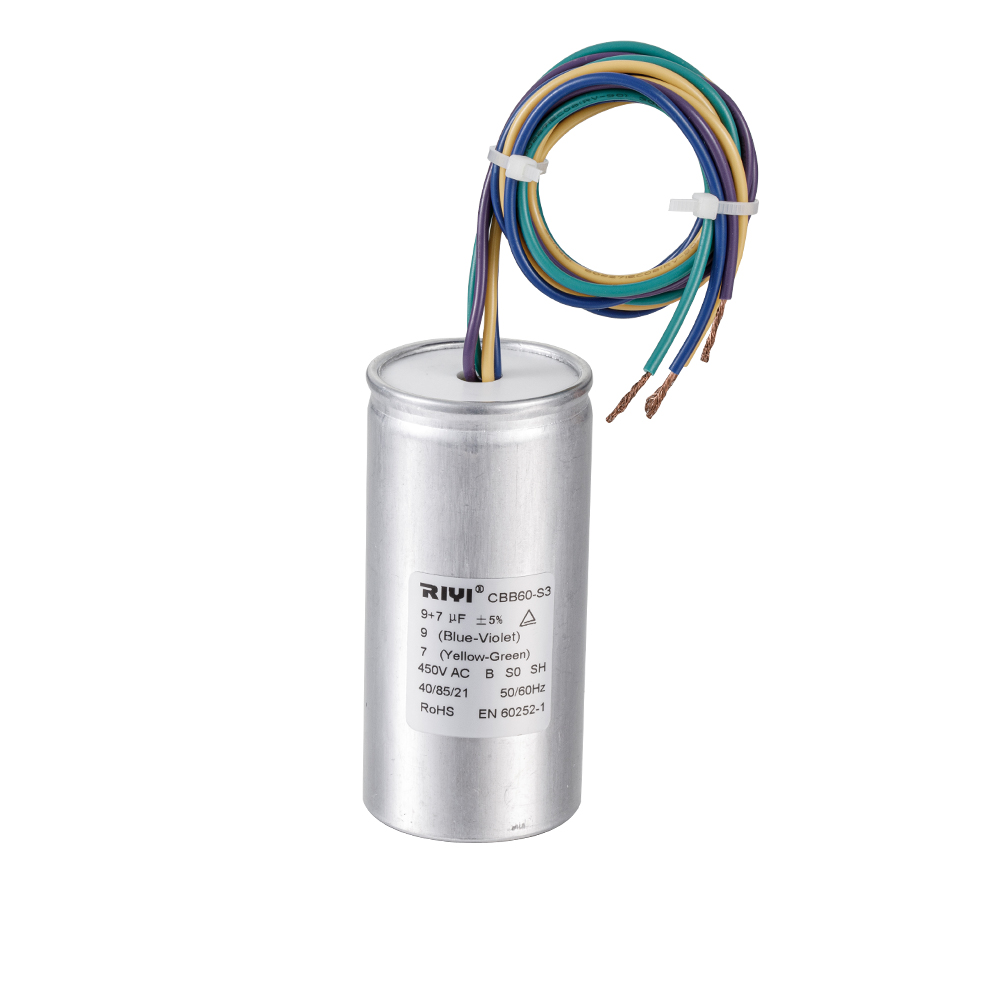
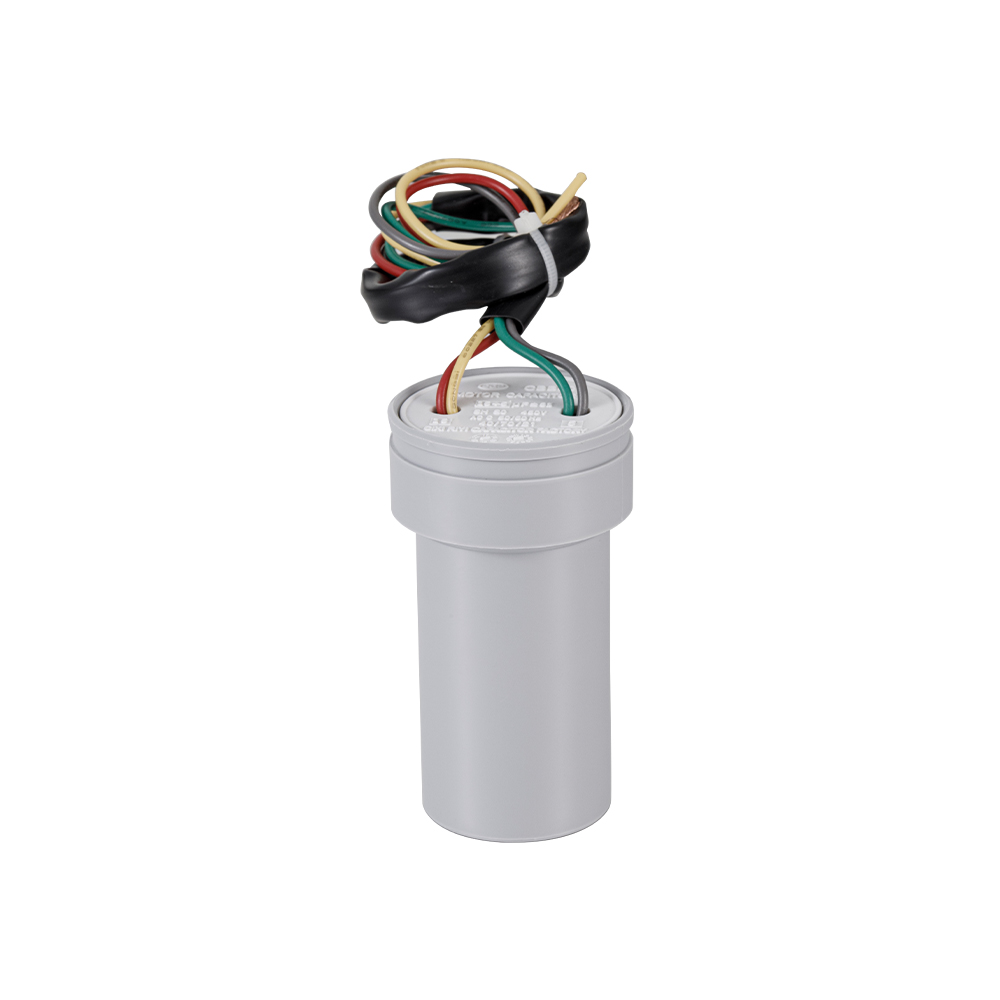
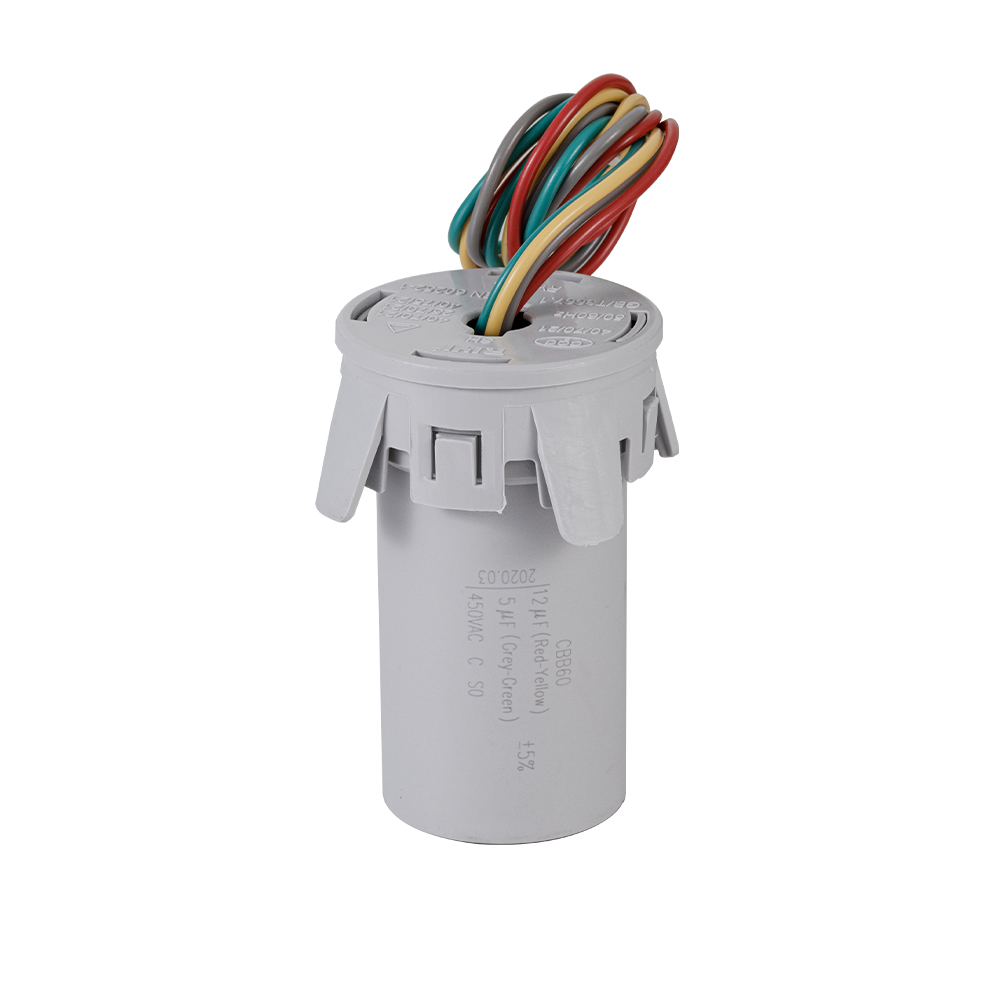
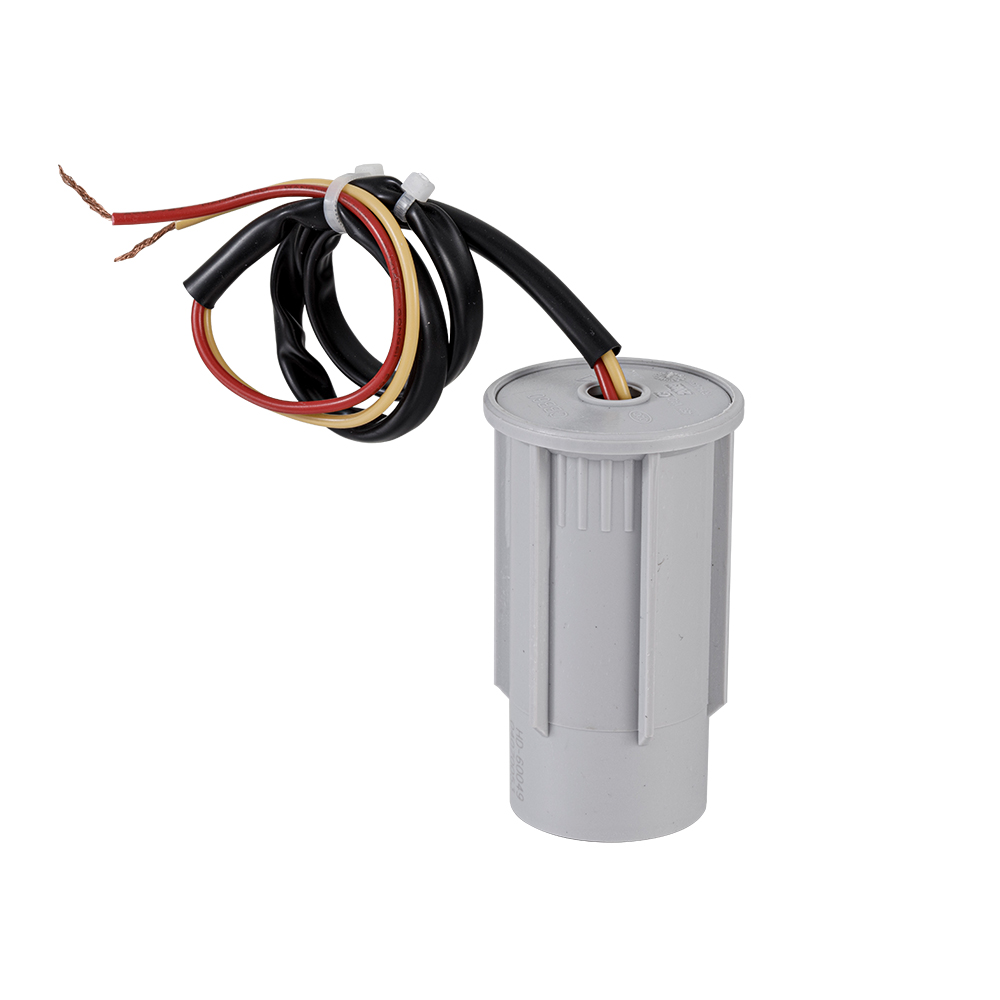
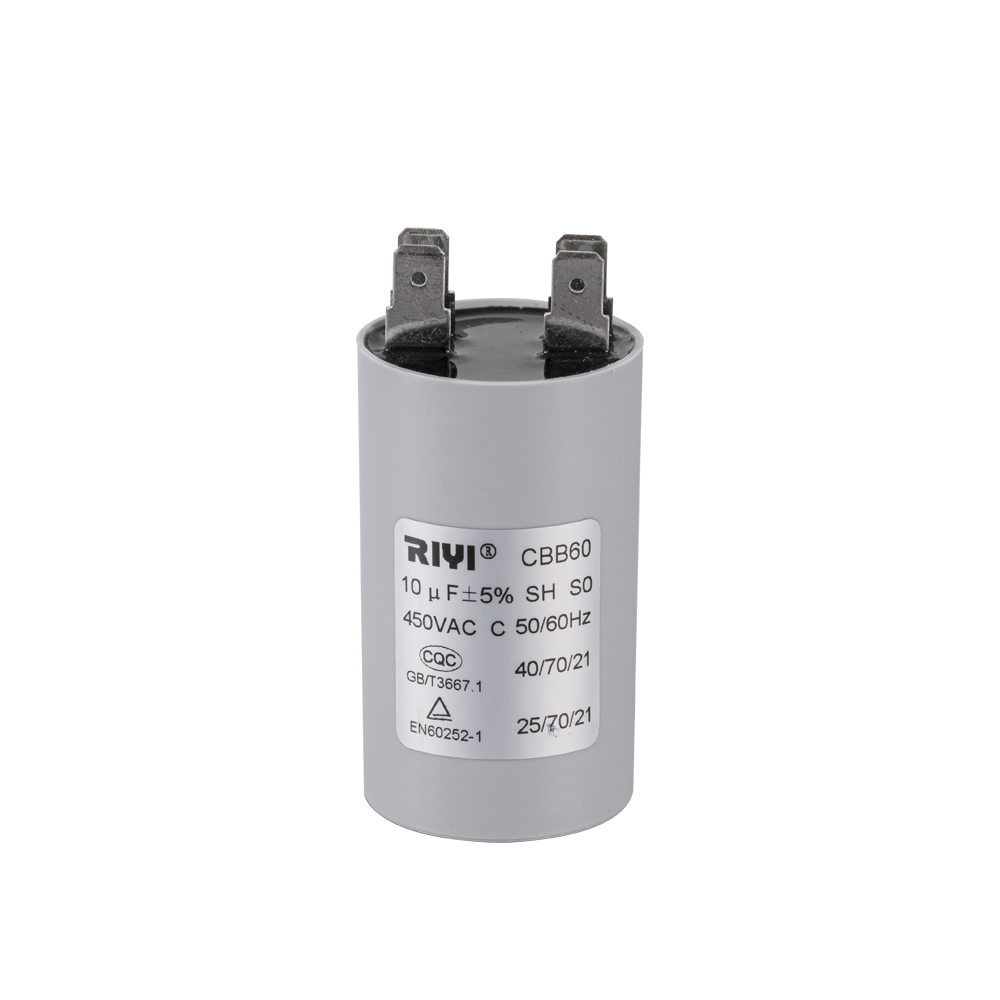
A poly capacitor is a metallized polypropylene film capacitor built to keep an AC motor running smoothly after it starts, which is why it is commonly sold and installed as a Run Capacitor. The polypropylene film dielectric gives it low dielectric loss, stable capacitance across temperature swings, and a self-healing property that lets it survive brief voltage spikes without failing outright. In practical terms, when a technician opens an air conditioner, a well pump, or a ceiling fan motor housing and finds a round or oval metal-can component wired across two motor terminals, that part is almost always a poly-film run capacitor rated somewhere between 1.5 and 100 microfarads.
The rest of this guide walks through construction, ratings, common part numbers, selection logic, failure symptoms, testing steps, and installation habits that keep a replacement capacitor lasting as long as it should. Anyone sourcing capacitors for HVAC, refrigeration, pumps, or general single-phase motor applications will find the comparison tables and troubleshooting checklist useful for both purchasing decisions and field service work.
How A Poly Capacitor Is Built Inside The Can
Strip away the aluminum or plastic housing and every poly capacitor is essentially a tightly wound roll of thin polypropylene film with a metal layer vacuum-deposited directly onto its surface. This metallization, usually zinc or a zinc-aluminum alloy only a few hundred nanometers thick, acts as the electrode. Two such metallized films are wound together with the metal layers offset in opposite directions, then compressed, heat-set, and fitted with end-spray terminations that connect to the external leads or quick-connect tabs.
Why Polypropylene Beats Older Dielectric Materials
Older run capacitors used paper or mixed paper-film dielectrics soaked in oil, which degraded faster under heat and humidity. Polypropylene film has a much lower moisture absorption rate and a more stable dielectric constant, meaning the capacitance value drifts less as the surrounding temperature climbs from a cool spring morning to a 45 degree Celsius rooftop condenser unit in midsummer. This stability is the main reason polypropylene became the standard film for motor run capacitors starting in the late twentieth century and has stayed dominant since.
The Self-Healing Mechanism Explained
If a microscopic weak point in the dielectric film breaks down under voltage stress, the resulting tiny arc vaporizes the thin metal layer immediately surrounding that spot. This isolates the fault in a fraction of a second, and the capacitor keeps operating with a negligible loss of active area. Paper-oil capacitors from decades ago lacked this trait, which is part of why they failed more abruptly and more often than modern poly units.
Electrical Specifications That Actually Matter When Buying
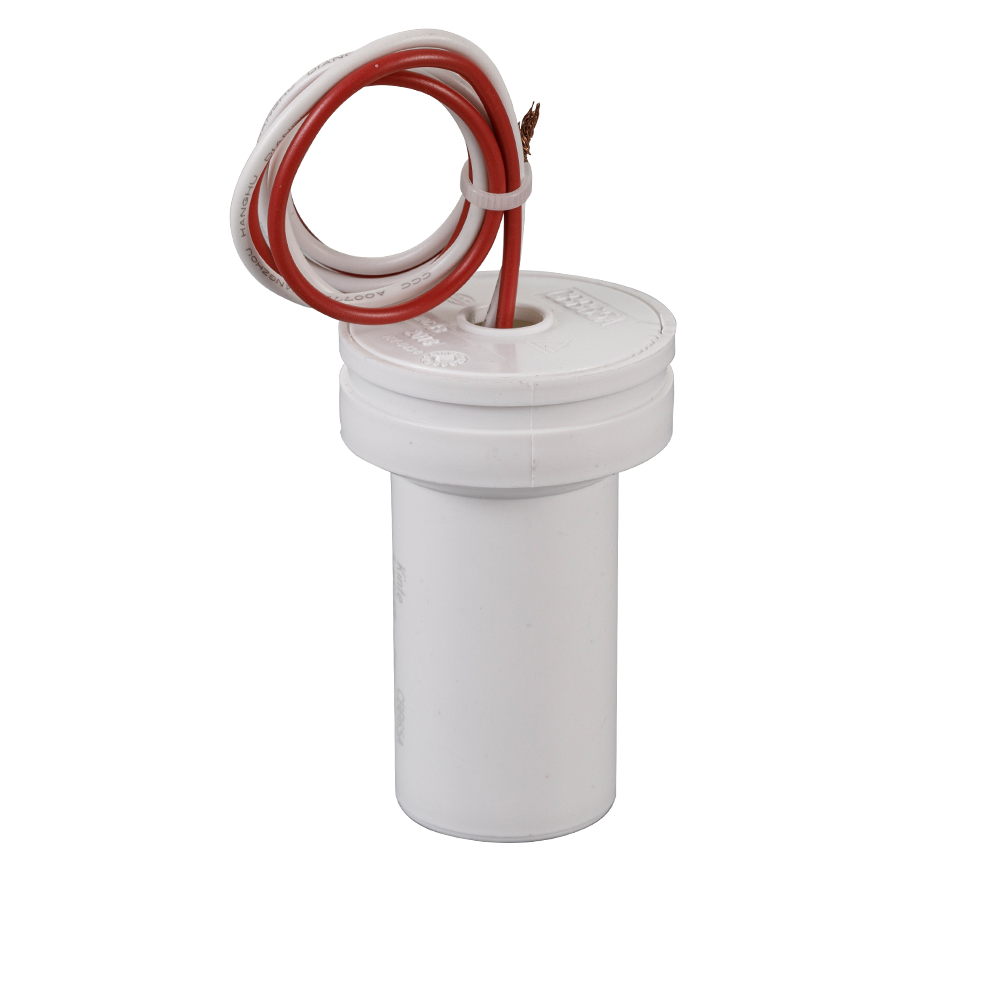
Four numbers on the label decide whether a poly capacitor will work correctly in a given motor circuit: capacitance value, voltage rating, tolerance, and temperature class. Getting any one of these wrong shortens service life or, in the case of voltage rating, can cause the case to bulge and vent within weeks.
| Field | Common Range | Why It Matters |
|---|---|---|
| Capacitance | 1.5 to 100 microfarads | Sets the phase-shifted current that keeps the auxiliary winding energized |
| Voltage Rating | 370V AC or 440V AC | Must exceed the peak line voltage the motor circuit will see |
| Tolerance | Plus or minus 5 percent, sometimes 6 percent | Keeps running current within the motor manufacturer's design window |
| Temperature Class | Minus 40C to 70C, or up to 85C | Determines survivability in tight, poorly ventilated motor compartments |
A common field mistake is assuming a higher voltage rating is always safe to substitute. A 370V capacitor can be replaced with a 440V unit of the same capacitance without issue, since the higher-rated part simply has thicker film and more margin. The reverse substitution is not acceptable, since a 370V capacitor installed where 440V is specified will see repeated overvoltage stress and fail early.
Single-Phase Motor Designs And Why Each One Needs A Different Capacitor Setup
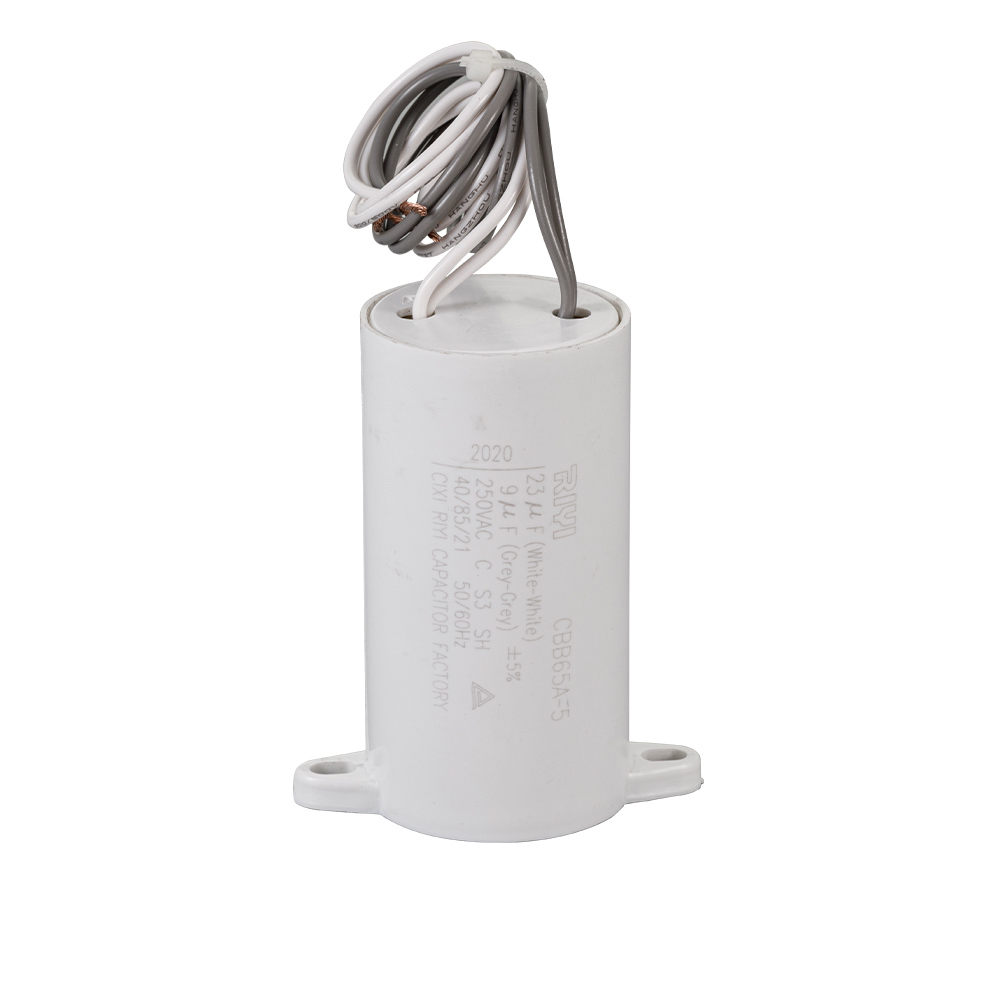
Not every single-phase induction motor uses a run capacitor the same way, and understanding the four common motor designs explains why capacitor part numbers vary so widely across equipment brands even when the horsepower rating looks similar.
PSC Motors: Permanent Split Capacitor
A PSC motor keeps a single run capacitor wired into the auxiliary winding circuit at all times, from the moment the motor is energized through continuous operation. This is the simplest and most common design in fan motors, condenser fan motors, and many smaller pump motors. Because the capacitor stays in circuit permanently, its capacitance value is chosen as a compromise between adequate starting torque and efficient running current, which is why PSC motors generally have modest starting torque compared with motors that use a dedicated start capacitor.
CSIR Motors: Capacitor Start, Induction Run
A CSIR motor uses a start capacitor and a centrifugal switch or electronic relay that disconnects the start capacitor once the motor reaches roughly 75 percent of full speed. After disconnection, the motor runs on the main winding alone with no run capacitor in circuit. This design is common in air compressors and some refrigeration compressors that need strong starting torque but do not need a capacitor to sustain full running efficiency.
CSCR Motors: Capacitor Start, Capacitor Run
A CSCR motor combines both capacitor types: a start capacitor for the initial surge of torque, switched out by a relay after startup, and a separate run capacitor that stays in circuit for the entire duration the motor operates. This is the design found in most residential air conditioning compressors and larger pump motors, and it explains why a technician often finds two different capacitors, or one dual-rated start-and-run assembly, inside the same equipment.
Shaded Pole Motors: No Capacitor At All
Small shaded pole motors, often used in low-torque fan applications like bathroom exhaust fans, generate their phase shift using a shorted copper loop around part of the stator rather than any capacitor. These motors are mentioned here mainly so a technician does not go searching for a nonexistent run capacitor on this motor type.
Standard Capacitance Values And Why Manufacturers Rarely Deviate From Them
Run capacitors are manufactured in a limited set of standard capacitance steps rather than an arbitrary continuous range, which keeps supply chains predictable and lets a facility stock a manageable number of part numbers. The most common single-run values include 1.5, 2, 2.5, 3, 3.5, 4, 5, 6, 7.5, 10, 12.5, 15, 17.5, 20, 25, 30, 35, 40, 45, 50, 55, 60, 65, 70, 75, 80, 85, 90, and 100 microfarads. Dual-run values are built by pairing two of these standard single values into one case, with the larger value always listed first, for example 40 plus 5, 45 plus 7.5, or 55 plus 7.5 microfarads.
This stepped structure exists because motor manufacturers design the auxiliary winding around the nearest standard capacitance rather than a precise calculated figure, since the difference in performance between, say, 34.7 and 35 microfarads is not meaningful in practice. A facility that standardizes its equipment on a handful of common motor models can typically cover the majority of its replacement needs by stocking eight to twelve capacitance and voltage combinations.
What Happens Electrically When Capacitance Is Wrong
Understanding the underlying electrical relationship helps explain why even a modest deviation from the specified capacitance produces a real, measurable effect on motor behavior rather than a purely theoretical one.
Undersized Capacitance
When the installed capacitance is lower than specified, the phase angle between the main and auxiliary winding currents narrows, producing a weaker rotating magnetic field. The practical result is reduced starting torque, a motor that struggles under load, higher running current as the motor works harder to produce the same mechanical output, and increased operating temperature in both the motor windings and the capacitor itself.
Oversized Capacitance
An oversized capacitor increases current through the auxiliary winding beyond its designed limit. In the short term this can produce slightly higher starting torque, which is why some technicians are tempted to install a larger value on a hard-starting motor. Sustained oversizing, however, causes the auxiliary winding to run hotter than its insulation class was designed for, which shortens motor winding life even if the capacitor itself survives.
Reactive Power And Current Draw
Capacitive reactance decreases as capacitance increases, meaning a larger capacitor allows more current to flow through the auxiliary winding branch for the same applied voltage. This relationship is why voltage rating and capacitance cannot be considered independently of each other during selection, and why doubling a capacitance value is never a safe shortcut even when the case physically fits the mounting bracket.
CBB60 Versus CBB61: Two Poly Capacitor Families Compared
Anyone searching part catalogs for a poly run capacitor will run into two very similar-looking designations, CBB60 and CBB61. Both are metallized polypropylene film capacitors made to the same general Chinese national standard lineage, but they are wired for different jobs.
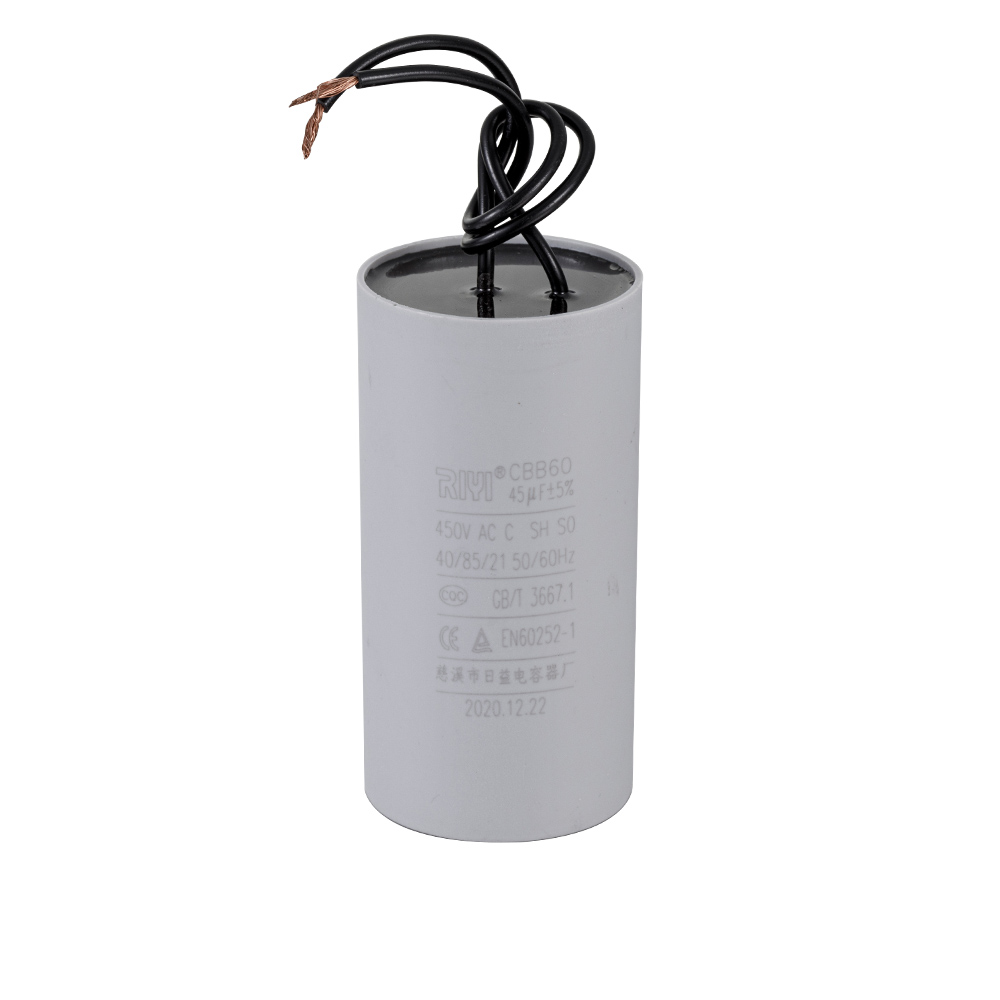
CBB60: The Single-Value Run Capacitor
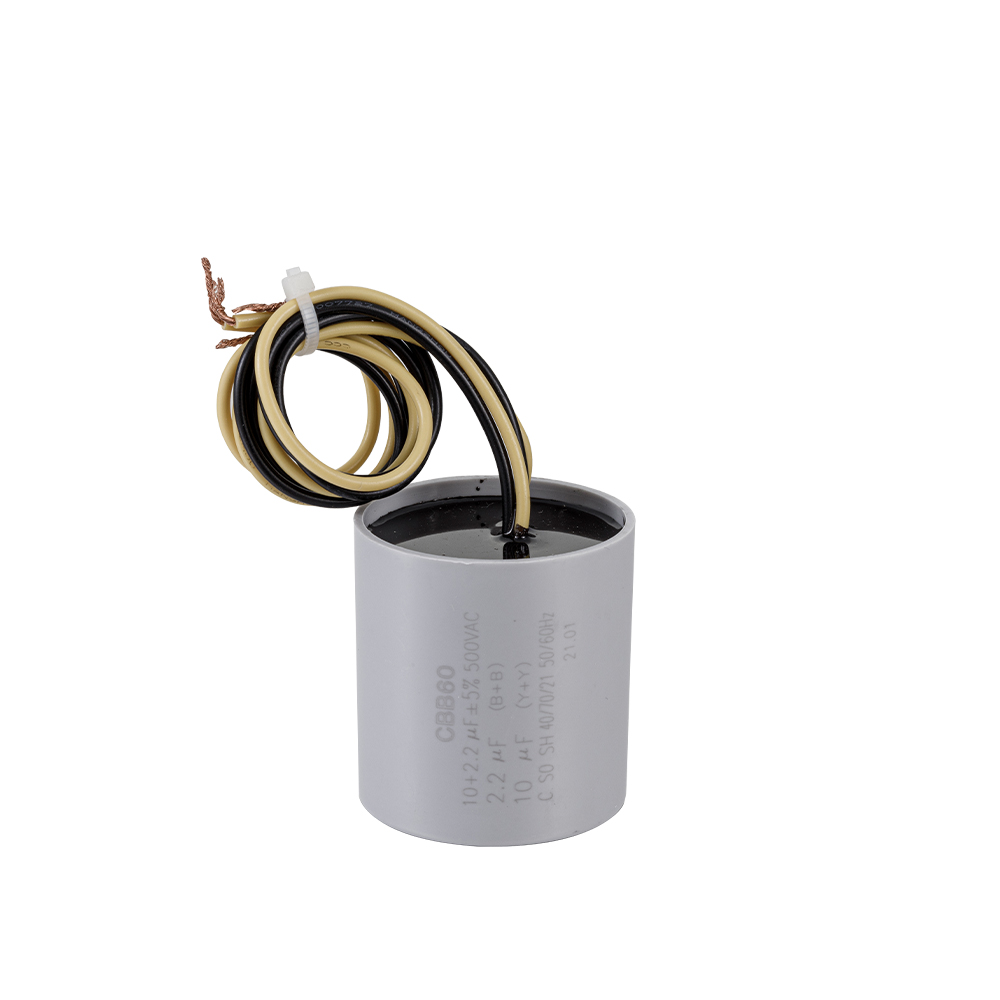
CBB60 units carry one capacitance value and are wired permanently across the auxiliary winding of a single-phase induction motor. They are the type most often found in refrigeration compressors, exhaust fans, and small pumps. Typical case styles are round aluminum cans with axial or radial leads, sized to match the motor's mounting bracket.
CBB61: The Dual-Value Run Capacitor
CBB61 capacitors are built as two capacitors in one case, most often labeled with a combined value like 35+5 microfarads or 45+7.5 microfarads. This dual construction is standard in central air conditioning condenser units, where one section serves the compressor motor and the other serves the condenser fan motor. Replacing a failed CBB61 with two separate CBB60 units of matching individual values is an accepted workaround when an exact dual-value replacement is not available, provided both new capacitors carry an equal or higher voltage rating.
| Feature | CBB60 | CBB61 |
|---|---|---|
| Capacitance sections | One | Two (dual-run) |
| Typical terminals | 2 leads or 2 tabs | 3 tabs (common, herm, fan) |
| Typical application | Single motor: pump, fan, compressor | Central air condenser: compressor plus fan |
Reading Terminal Markings On A Dual-Run Capacitor Correctly
Dual-run CBB61 capacitors mark their three tabs with letters that correspond directly to the wiring diagram printed on the equipment's access panel, and mixing these up during replacement is one of the most frequent field errors reported by service technicians.
| Marking | Stands For | Connects To |
|---|---|---|
| C | Common | Shared line side connection for both capacitor sections |
| HERM | Hermetic Compressor | Larger capacitance section feeding the compressor motor |
| FAN | Fan Motor | Smaller capacitance section feeding the condenser fan motor |
Reversing the HERM and FAN connections on a dual-run capacitor does not always destroy the capacitor immediately, but it feeds the wrong capacitance value to each motor, which typically shows up as a compressor that struggles to start or a fan motor that spins slower than normal. Photographing the original wiring before disconnecting anything remains the simplest safeguard against this mistake.
Judging Poly Capacitor Quality Before Installation
Not all capacitors sold under the same CBB60 or CBB61 designation perform identically, since case quality, film thickness, and termination workmanship vary between manufacturers. A few visual and physical checks help separate a reliable part from one likely to fail early.
- The case should feel solid with no flex when pressed gently at the center of the flat top, since a soft or flexible top often means thinner aluminum and less pressure tolerance before venting
- Printed labeling should be clear and resistant to smudging, since faded or low-quality printing sometimes correlates with corners cut elsewhere in manufacturing
- Terminal tabs or lead wires should have a firm, immovable connection to the case with no visible gap or looseness at the base
- A mounting stud or bracket, where present, should be free of stripped threads or bent metal from prior handling
- Weight should feel consistent with the stated capacitance and case size; a capacitor that feels unusually light for its rated microfarad value may contain less internal film than expected
Where Run Capacitors Show Up In Everyday Equipment
- Central air conditioning condenser units, running the compressor and outdoor fan motor
- Split system heat pump outdoor units
- Refrigeration compressors in walk-in coolers and commercial freezers
- Submersible and jet well pumps
- Ceiling fans, box fans, and exhaust ventilation fans
- Air compressors used in workshops and small industrial settings
- Pool and spa circulation pump motors
- Garage door opener motors and other single-phase induction motor equipment
In every one of these cases the poly capacitor's job is the same: shift the phase of current flowing through the motor's auxiliary winding so the motor produces a steady rotating magnetic field instead of a weak, pulsing one. Without a correctly sized run capacitor, a permanent split-capacitor motor draws more current, runs hotter, and produces noticeably less torque.
Choosing The Correct Replacement Capacitor Step By Step
- Read the motor nameplate or the old capacitor label directly, noting capacitance in microfarads and voltage rating in volts AC.
- Match capacitance within the stated tolerance; do not round up or down to a value on hand without checking the tolerance window first.
- Match or exceed the voltage rating; a 440V replacement is always acceptable where 370V was specified, never the other way around.
- Confirm case dimensions and terminal style fit the existing mounting bracket and wire harness without forcing connections.
- Check the ambient temperature rating against the installation location, particularly for rooftop or attic-mounted equipment that sees high heat.
- For dual-run CBB61 replacements, confirm both capacitance values and the terminal labeling (common, herm, fan) match the wiring diagram exactly.
Buying a capacitance value slightly above spec is sometimes done deliberately by technicians trying to compensate for an older, less efficient motor, but this practice increases running current and can shorten motor winding life. It is not a substitute for correct sizing and should only be considered against the original equipment manufacturer's documented guidance.
Recognizing A Failing Run Capacitor Before It Strands A Motor
Poly capacitors rarely fail without warning signs. Watching for the following symptoms catches most failures before they cause a complete motor stall or a compressor hard-start condition.
Physical Warning Signs
A healthy poly capacitor case is flat on top and bottom. Any doming, bulging, or a case that has visibly split open at the safety vent score indicates internal pressure buildup from dielectric breakdown gases, and the part should be replaced regardless of whether it still reads a plausible capacitance value. Leaking of a dark oily residue at the base, present on some older or lower-quality units, is another definite replacement signal.
Performance Warning Signs
- The motor hums but does not spin, or spins only after being nudged by hand
- The compressor or fan motor trips a thermal overload repeatedly
- Startup takes noticeably longer than it used to, or the motor cycles on and off rapidly
- A measurable capacitance reading has drifted more than 10 percent below the labeled value
Testing A Suspect Capacitor With A Multimeter
Before touching any capacitor, discharge it safely using an insulated resistor lead or a capacitor discharge tool, since a run capacitor can hold a meaningful charge even after the equipment is powered off. Once discharged, set a digital multimeter with a capacitance function to the appropriate microfarad range and connect the leads to the capacitor terminals.
A capacitor within tolerance will read within roughly 5 to 6 percent of its labeled value. A reading well below the label, especially anything under 70 percent of rated capacitance, points to a capacitor that has lost internal metallized area and should be swapped out. A reading of zero or an open circuit indicates a fully failed unit, while a reading that will not settle or drifts continuously often signals a partial internal short developing.
Installation Habits That Extend Service Life
Mounting orientation matters less than most people assume for a poly capacitor, but mounting security matters a great deal. A capacitor that vibrates loosely against a compressor housing wears through its lead insulation over months, eventually causing a short. Securing it in its factory bracket or an equivalent clamp keeps vibration-related failures off the list of common problems.
Wire connections should be clean, tight, and free of corrosion, particularly on the spade terminals used in HVAC condenser units exposed to outdoor humidity. A loose or corroded spade connection introduces resistance at the joint, generates localized heat, and can mimic the symptoms of a failing capacitor even when the capacitor itself is fine. Dielectric grease on quick-connect terminals in coastal or high-humidity climates is a simple habit that meaningfully reduces corrosion-related callbacks.
Safe Handling And Discharge Procedure Before Any Capacitor Work
A run capacitor stores an electrical charge that can persist well after equipment power has been switched off, and skipping the discharge step is a common cause of a startling shock during otherwise routine maintenance.
- Disconnect power at the equipment disconnect or breaker, not just the thermostat or control switch, and confirm no voltage is present with a meter before touching any wiring.
- Use an insulated-handle resistor lead, typically a resistor in the 20,000 to 25,000 ohm range rated for at least 2 watts, and touch both leads across the capacitor terminals for several seconds.
- For dual-run capacitors, discharge each terminal pair separately, since discharging one section does not automatically discharge the other.
- Verify the discharge with a multimeter set to DC voltage, confirming a reading close to zero before removing wires or handling the terminals directly.
- Avoid shorting terminals directly with a metal screwdriver blade, since this creates an uncontrolled spark and can pit or damage the terminal surface.
This procedure takes under a minute once practiced and should be treated as a fixed step in any capacitor replacement, testing, or motor troubleshooting task rather than an optional precaution reserved for larger capacitors only.
Storing Spare Capacitors So They Are Ready When Needed
Facilities that keep spare run capacitors on hand for fast equipment turnaround should store them upright in a dry location away from direct sunlight and away from any source of continuous vibration, such as sitting directly on top of an operating compressor or pump. Extreme temperature swings during storage, particularly repeated cycles between a cold unheated storeroom and a warm workshop, can accelerate seal aging at the terminal end-spray even while the capacitor sits unused.
A capacitor that has sat in storage for several years is worth a quick capacitance check with a multimeter before installation, since dielectric film can experience minor characteristic drift over long idle periods even without ever being energized. This is a simple habit that avoids installing a marginal part into freshly serviced equipment.
Environmental Factors That Shorten Or Extend Capacitor Life
Heat is the single largest factor shortening poly capacitor lifespan. As a rule found across film capacitor engineering data, every 10 degree Celsius increase in operating temperature above the rated maximum roughly halves the expected service life. This is why capacitors mounted directly against a hot compressor shell or inside a poorly ventilated rooftop condenser cabinet fail sooner than an otherwise identical part installed with a few centimeters of airflow clearance.
Humidity plays a secondary role, mainly by accelerating corrosion at terminal connections rather than degrading the film dielectric itself, since polypropylene absorbs very little moisture compared with older paper dielectrics. Frequent motor cycling, common in pumps and refrigeration equipment that starts and stops many times per day, also adds cumulative thermal stress at the film edges each time inrush current passes through the capacitor during motor start.
A Practical Maintenance Checklist For Facilities And Service Teams
| Equipment Type | Visual Check | Capacitance Check |
|---|---|---|
| Residential AC condenser | Every spring startup | Annually |
| Commercial refrigeration | Monthly | Every 6 months |
| Well and pool pumps | Every 3 months | Annually |
Keeping a small stock of the most common capacitance and voltage combinations, particularly dual-run values used across a facility's condenser fleet, cuts equipment downtime substantially compared with ordering a replacement only after a failure occurs.
Poly Film Versus Other Dielectric Types Used In Capacitors
Run capacitors are almost universally polypropylene film today, but it is worth understanding how this compares with other dielectric families that show up elsewhere in electrical equipment, since confusion between capacitor types is common among those newer to equipment maintenance.