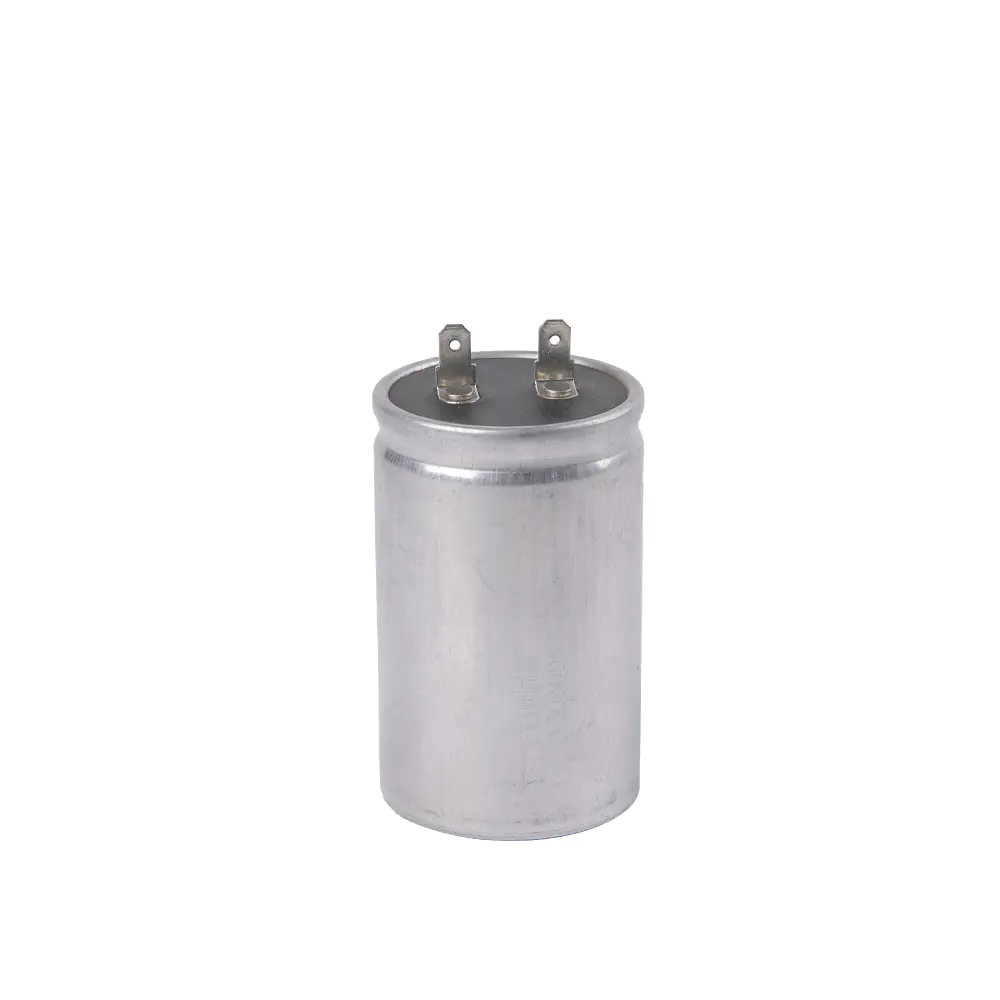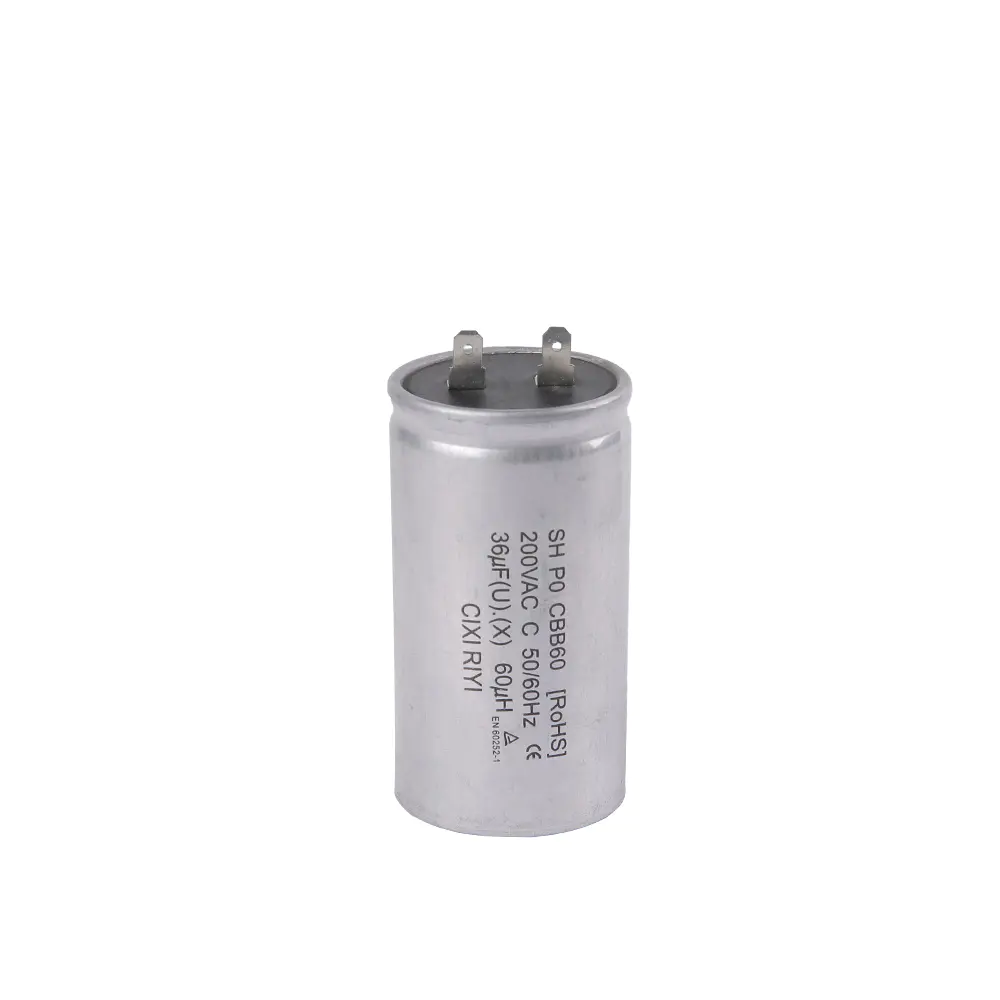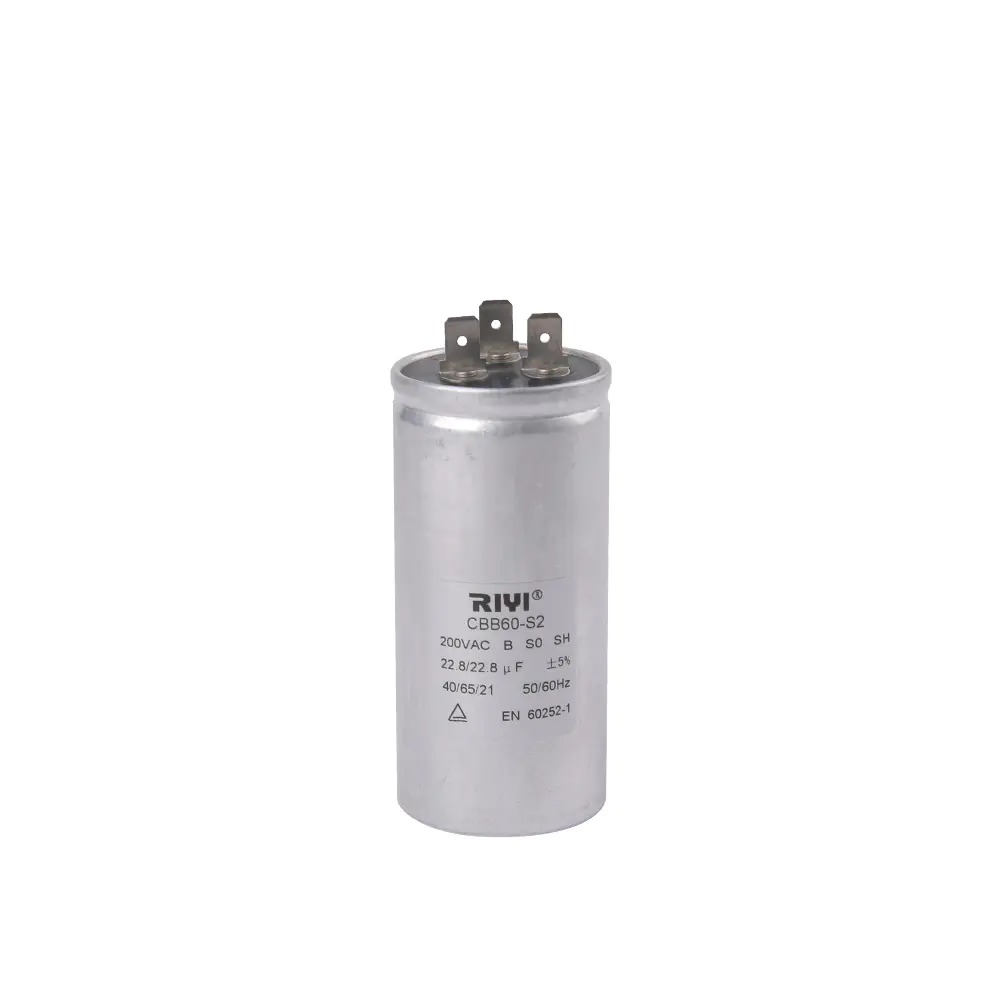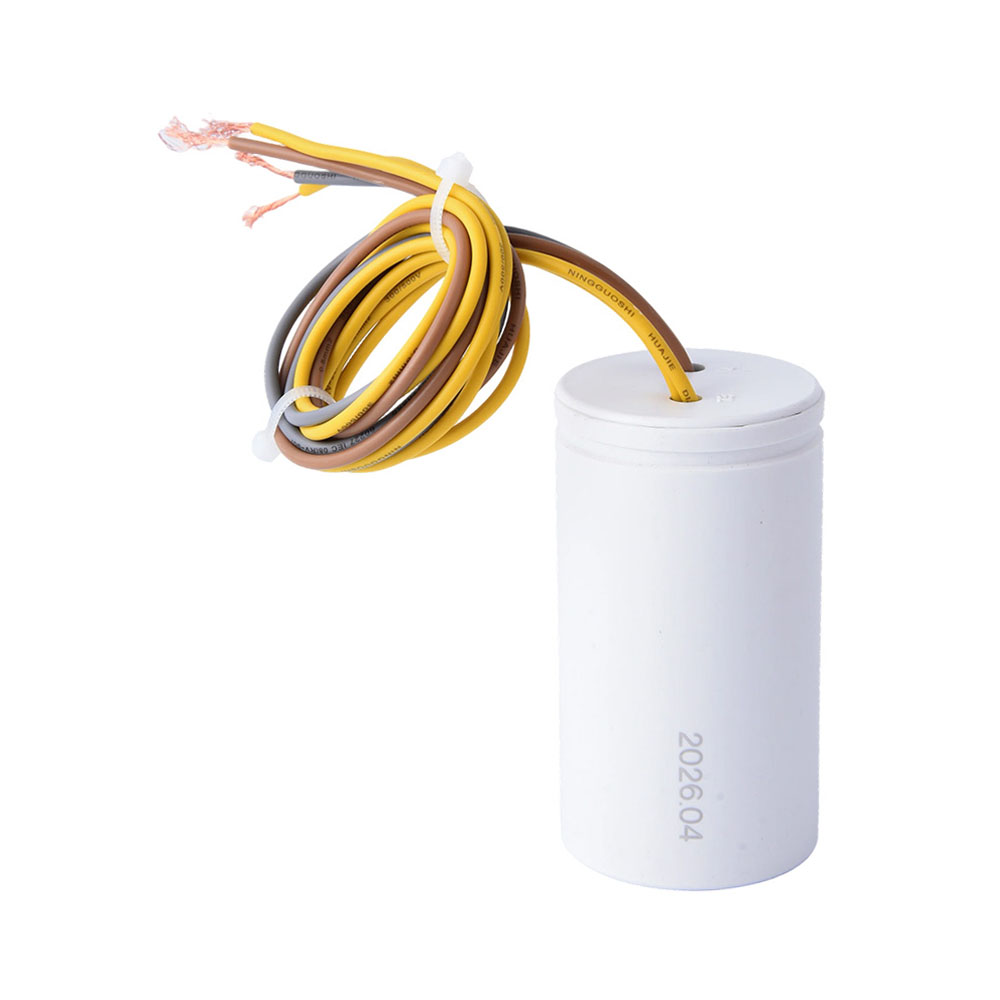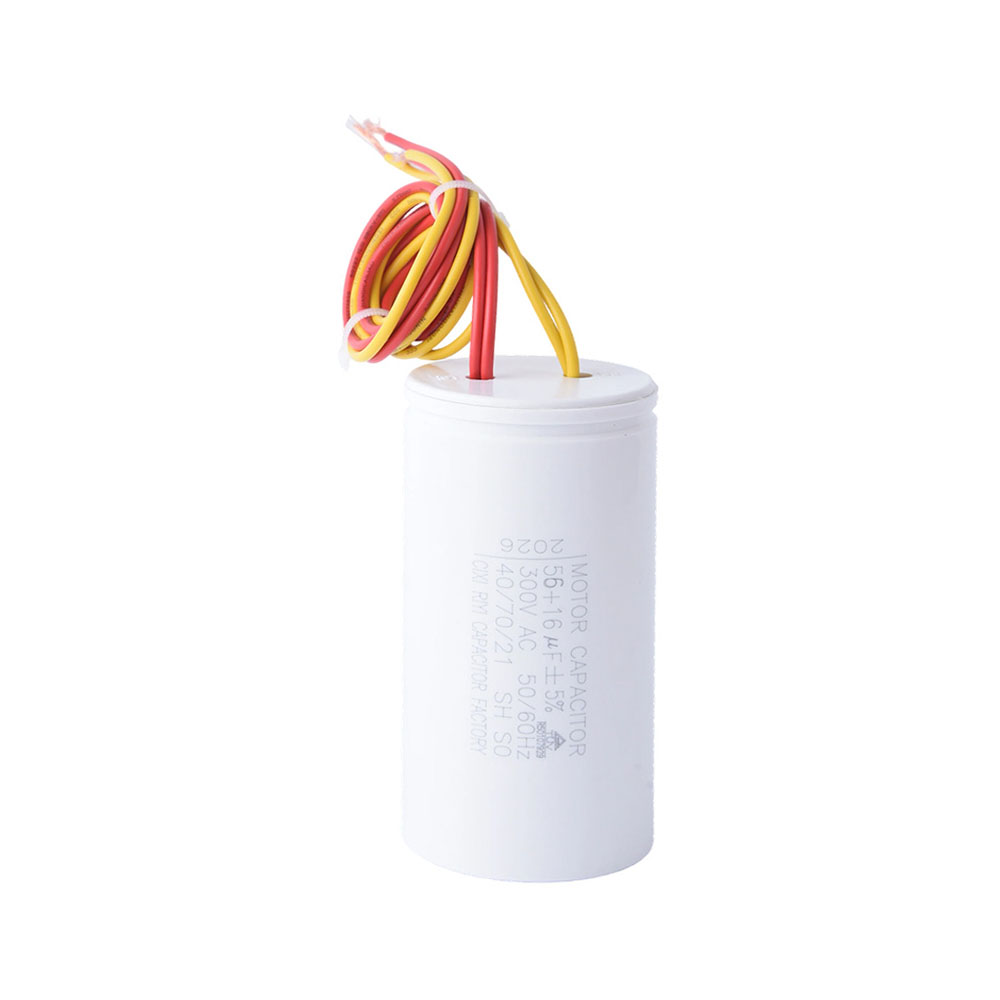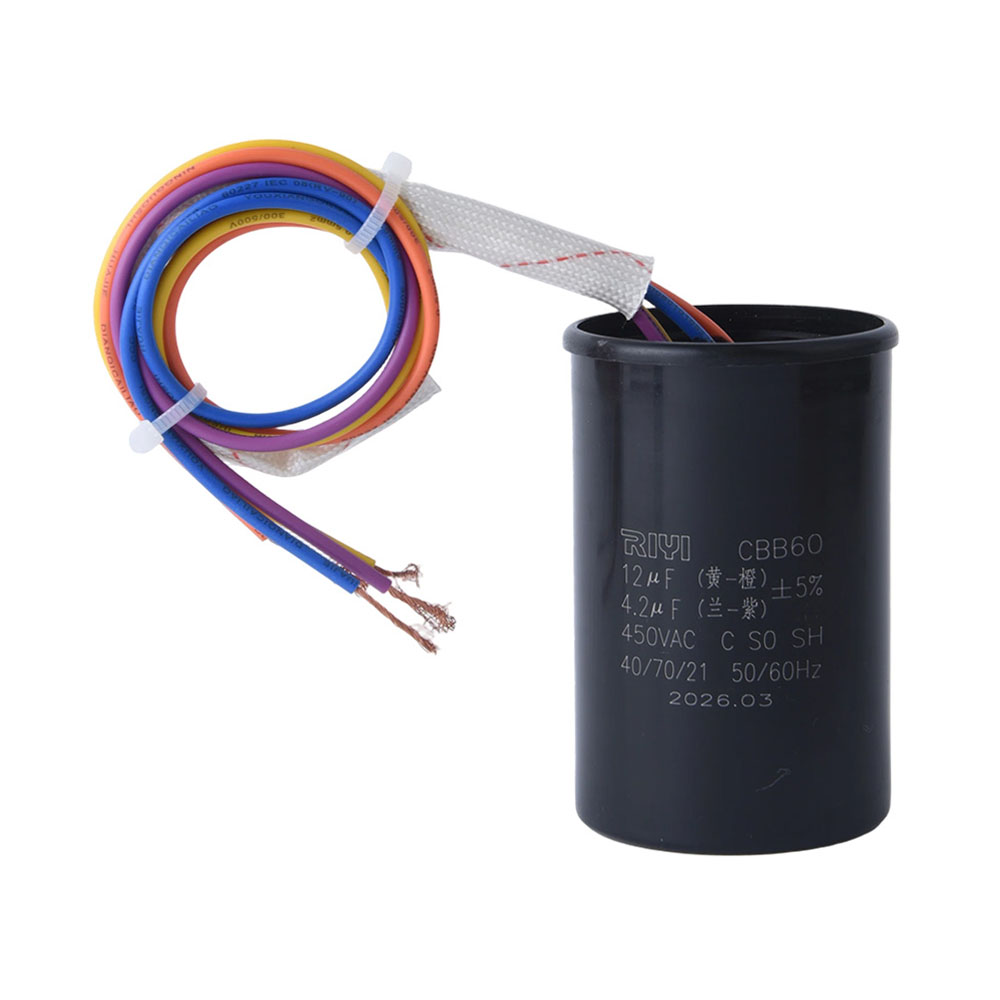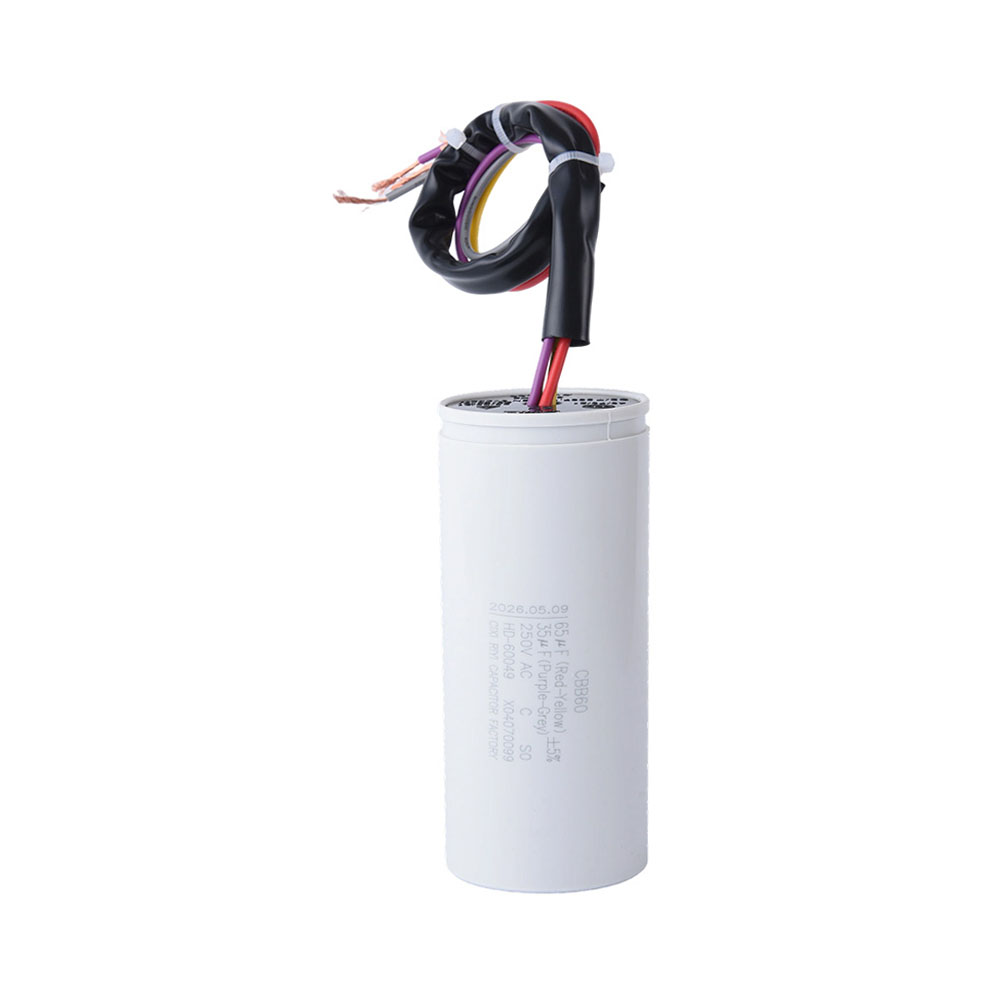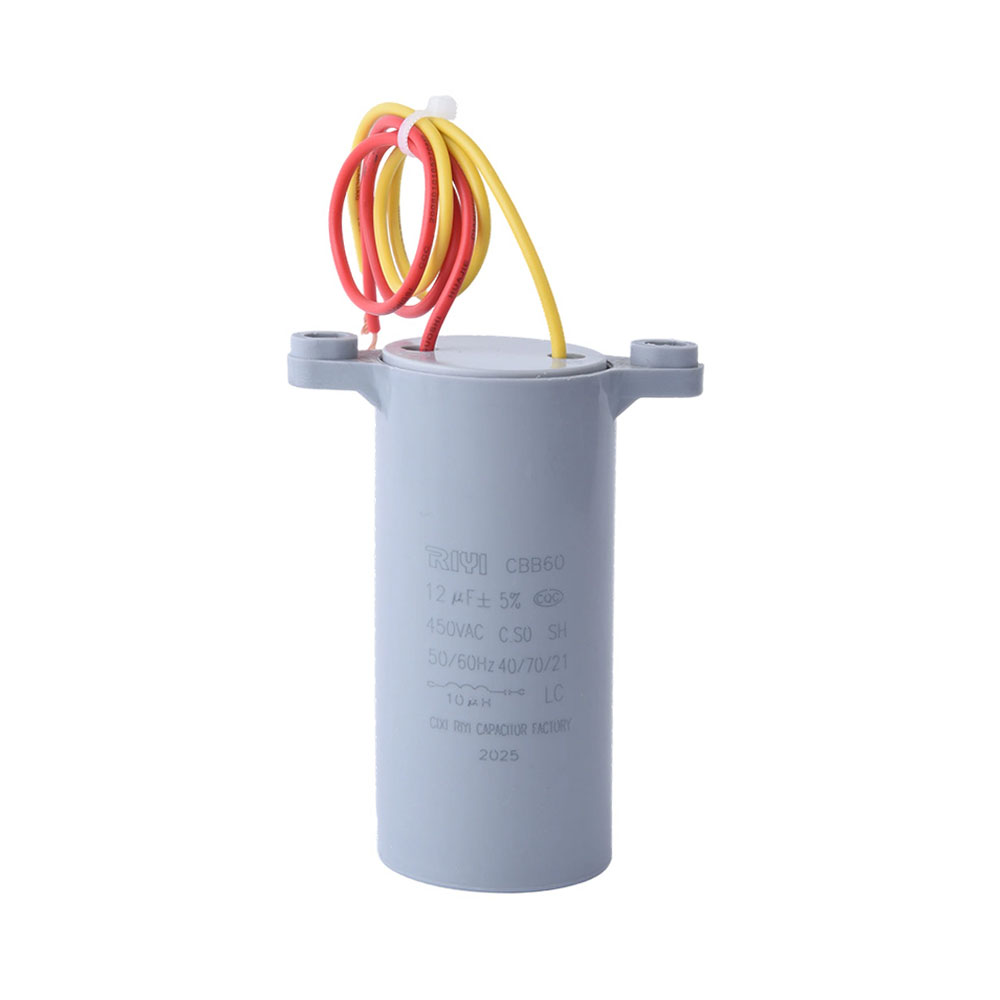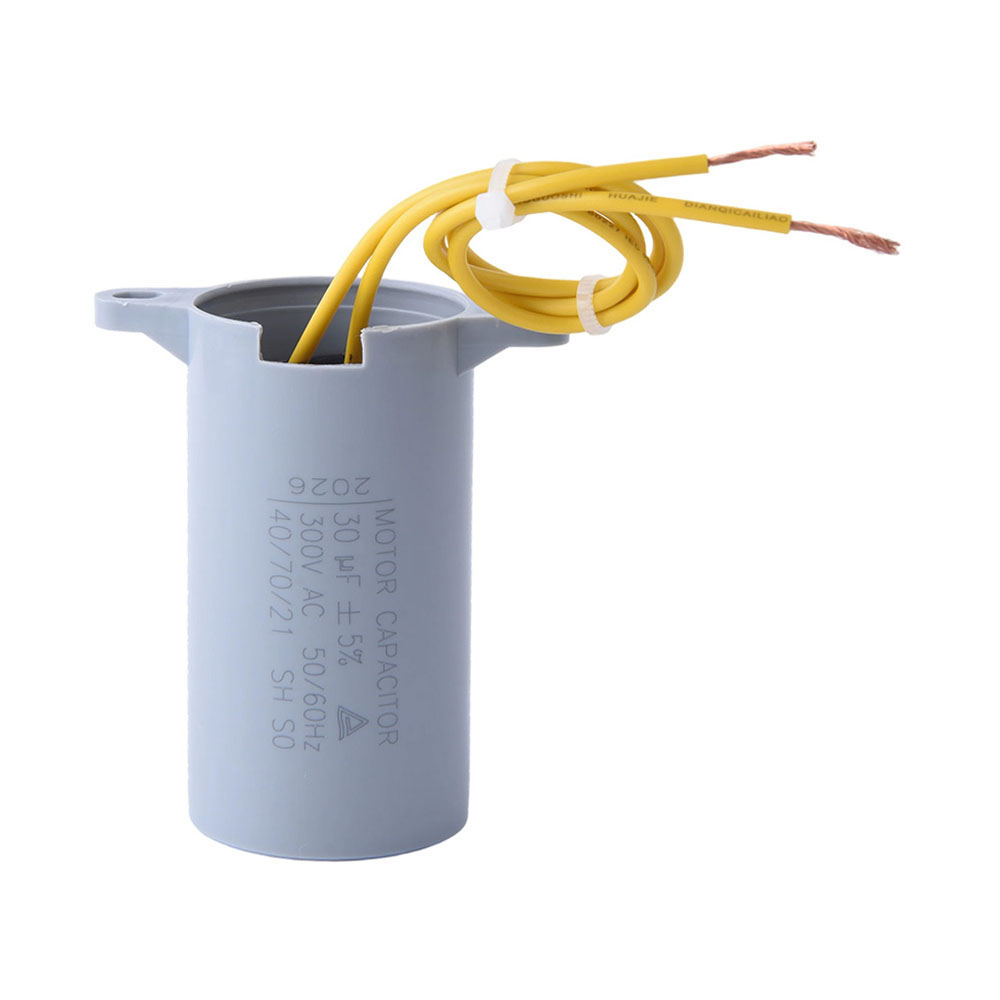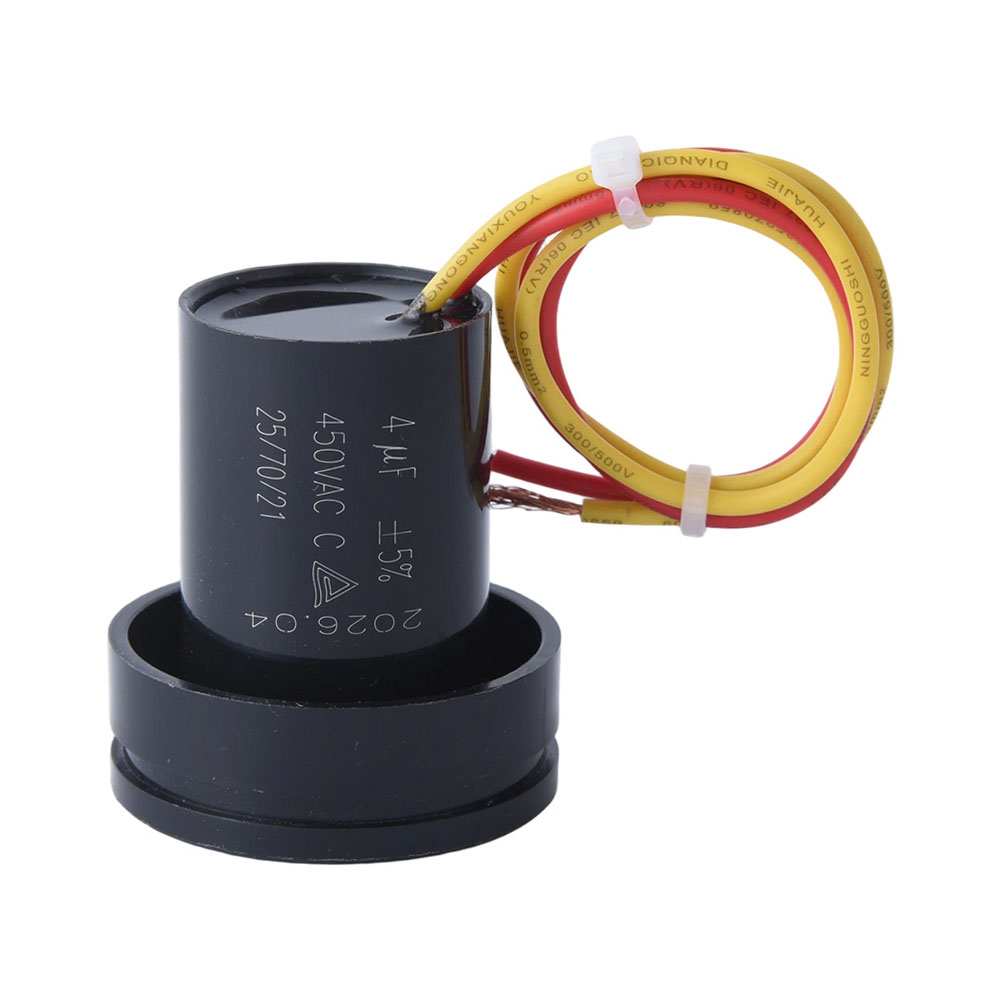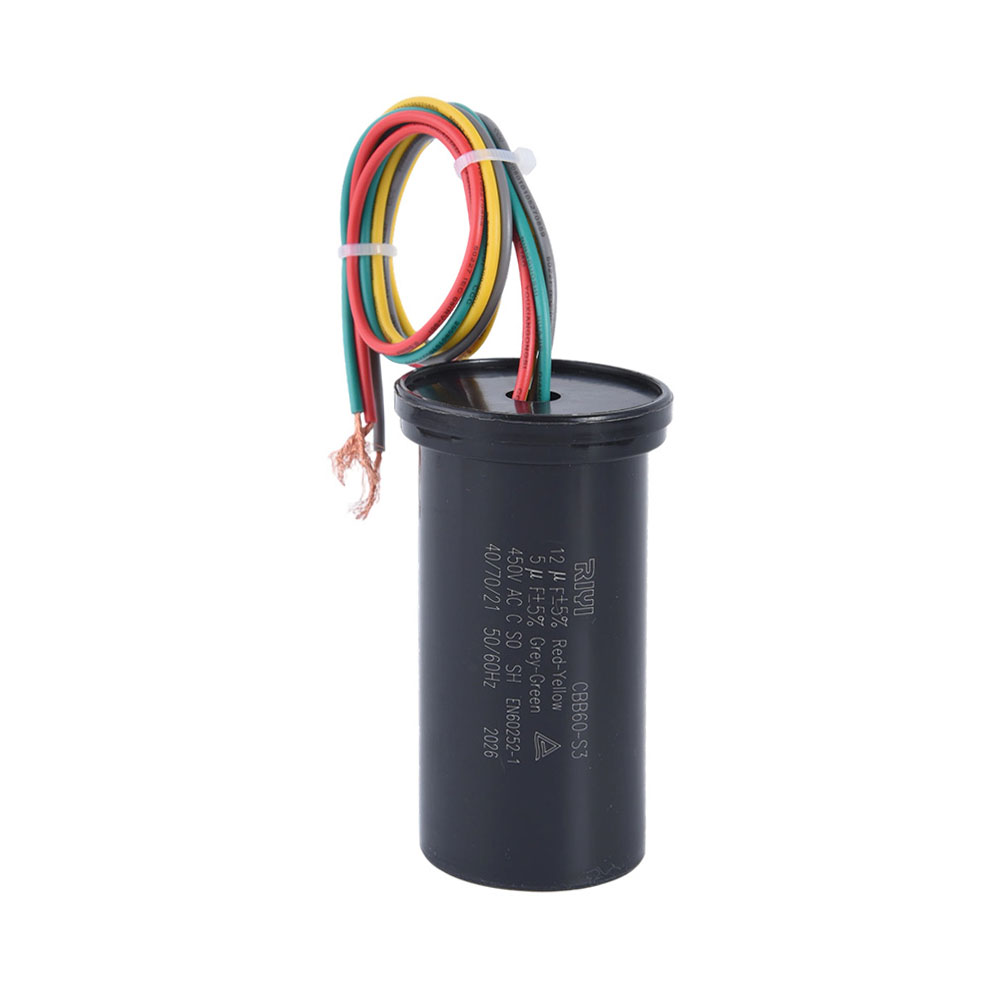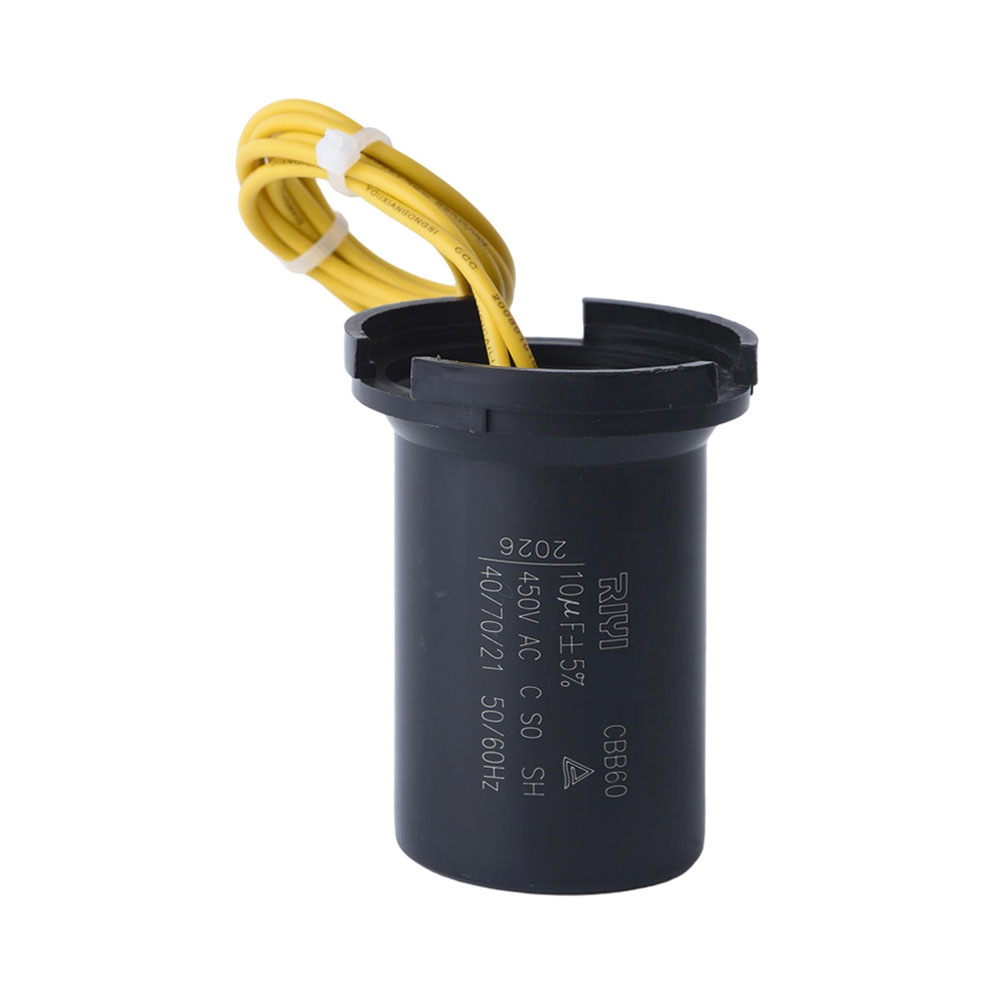
Insert Terminal

AC Insert Type Aluminum Case Capacitor With Terminal Suppliers

Company Profile

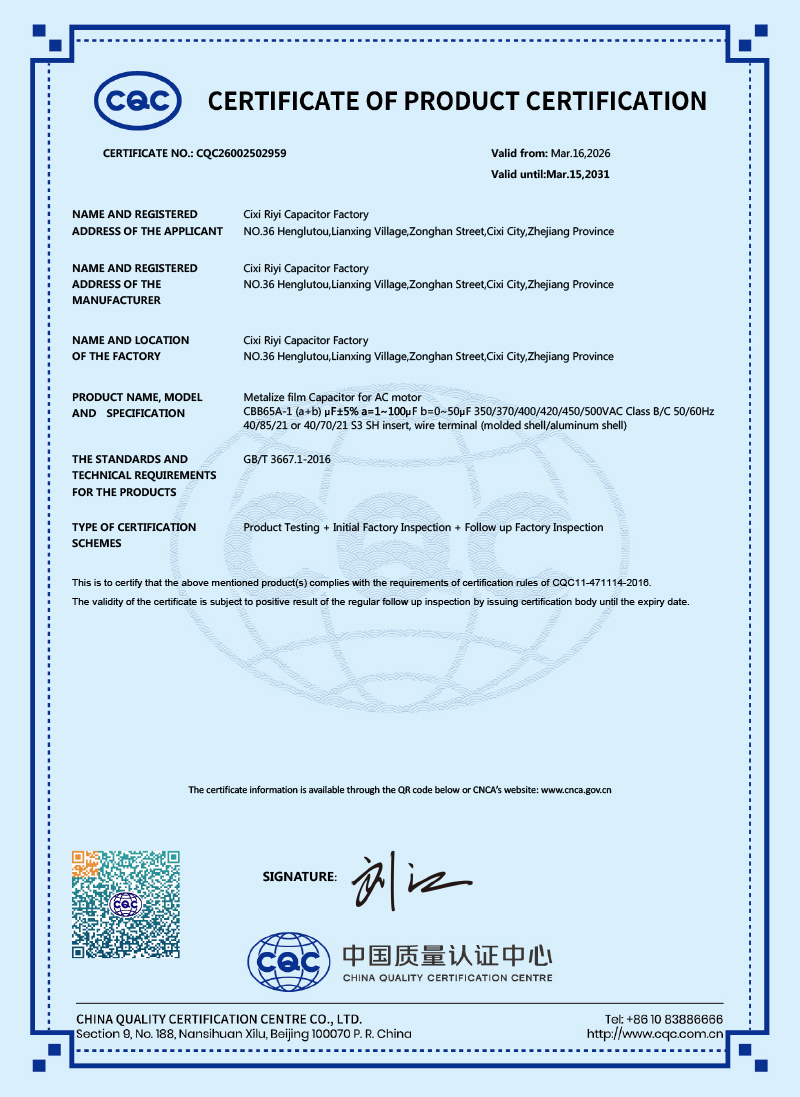
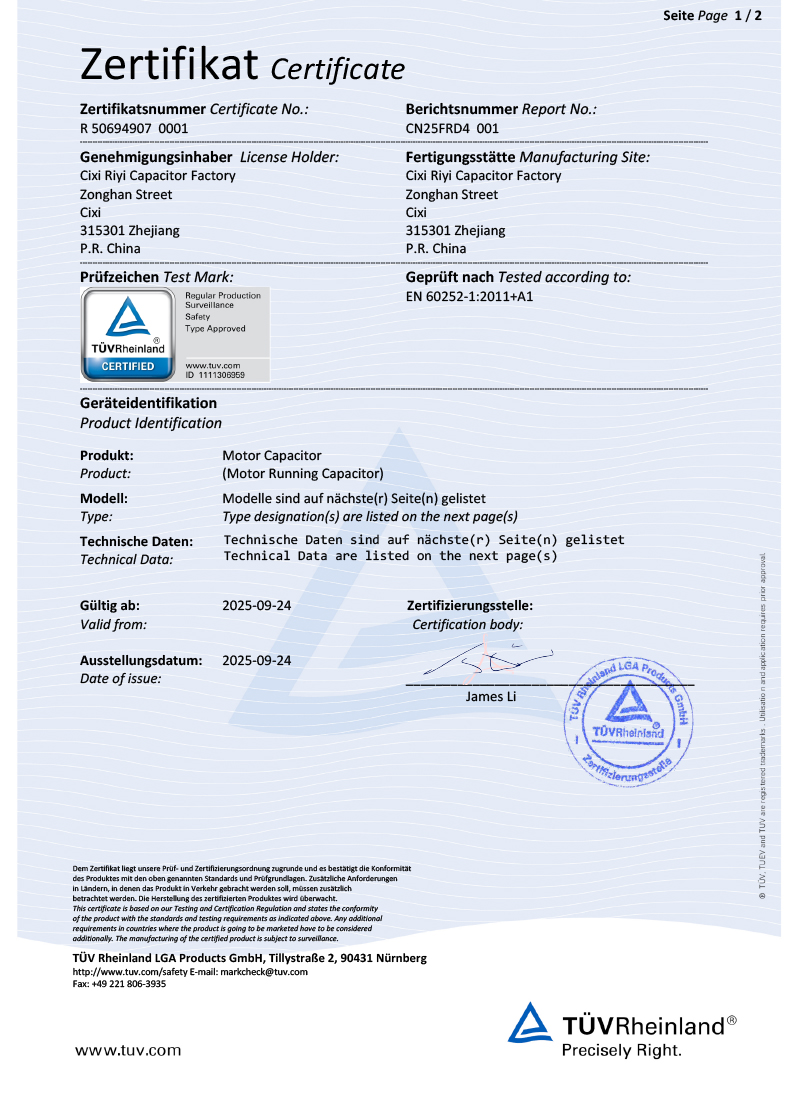
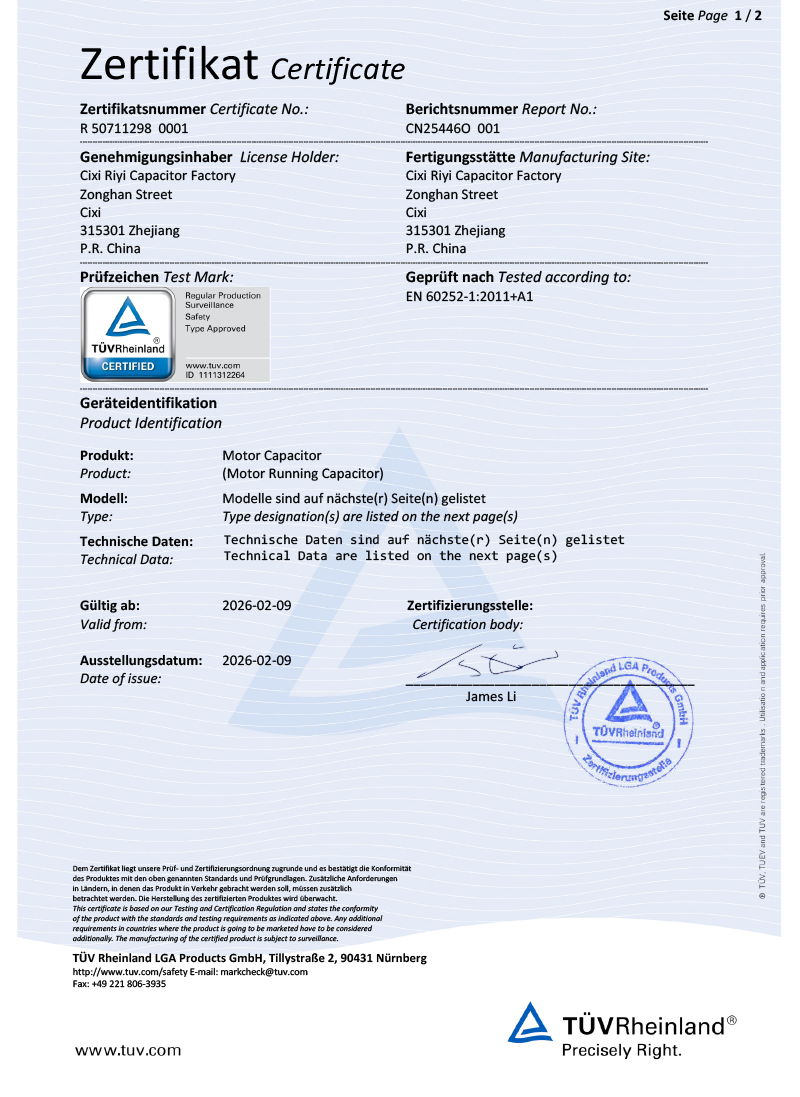
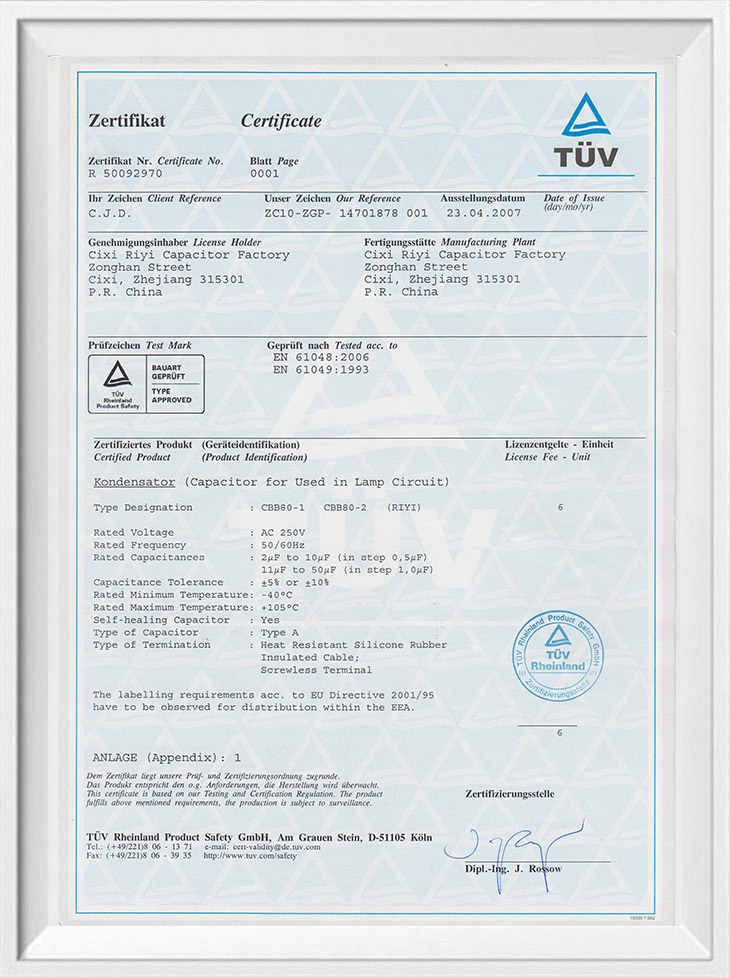
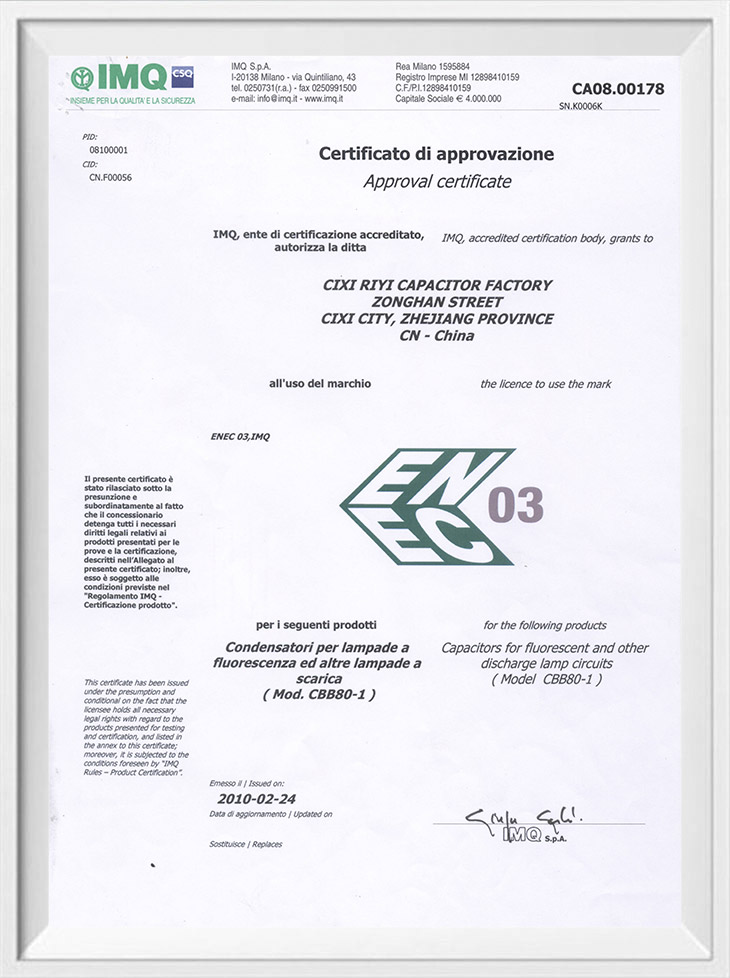
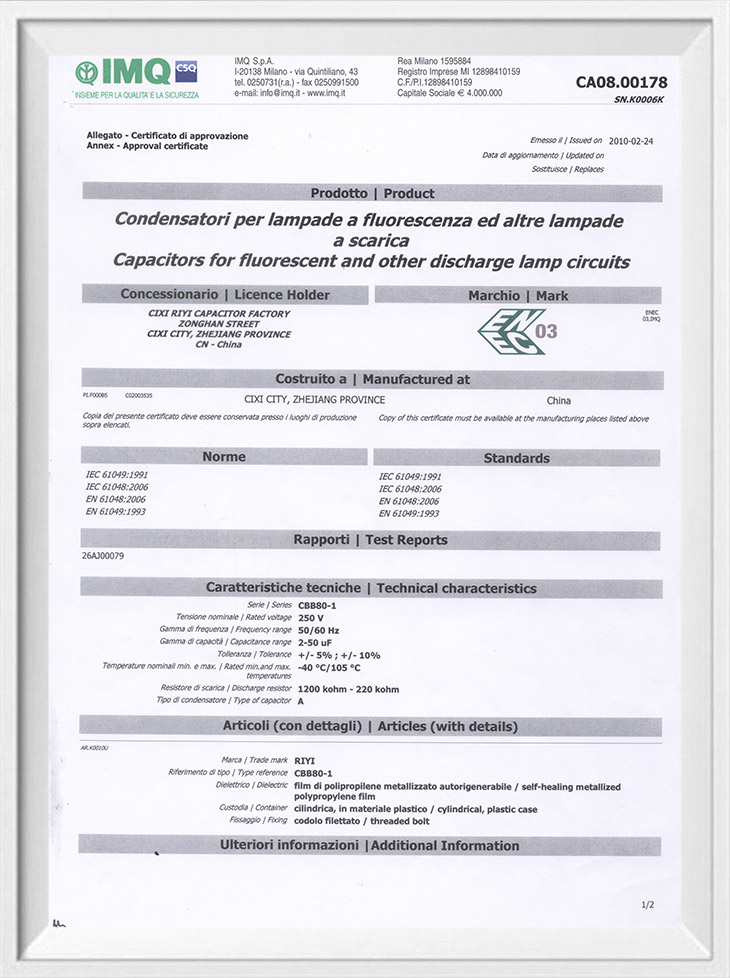
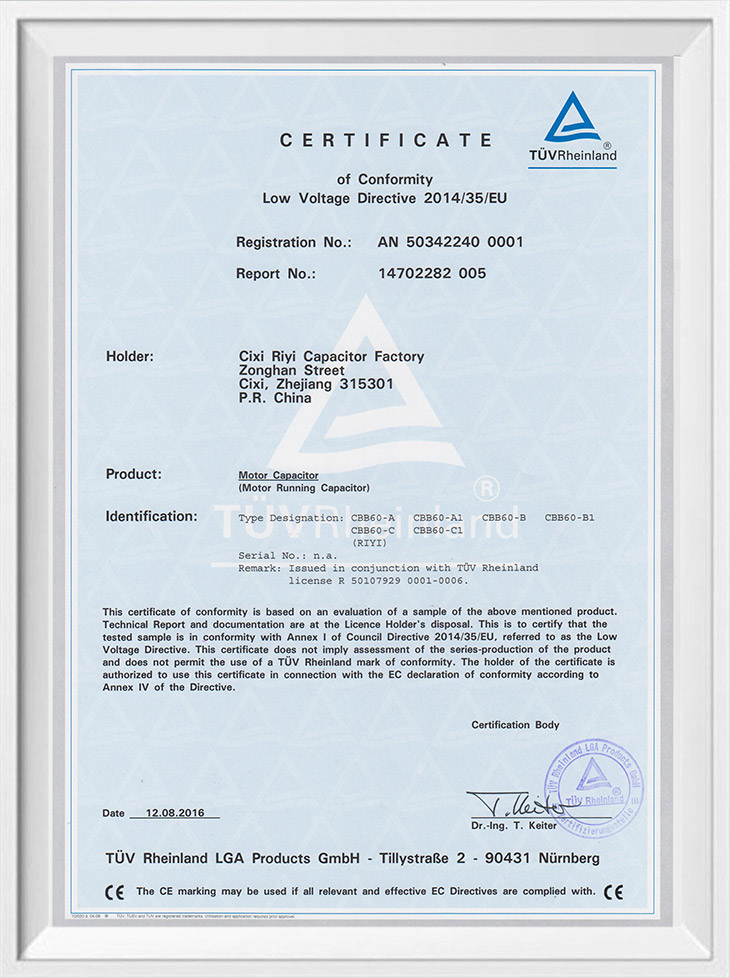
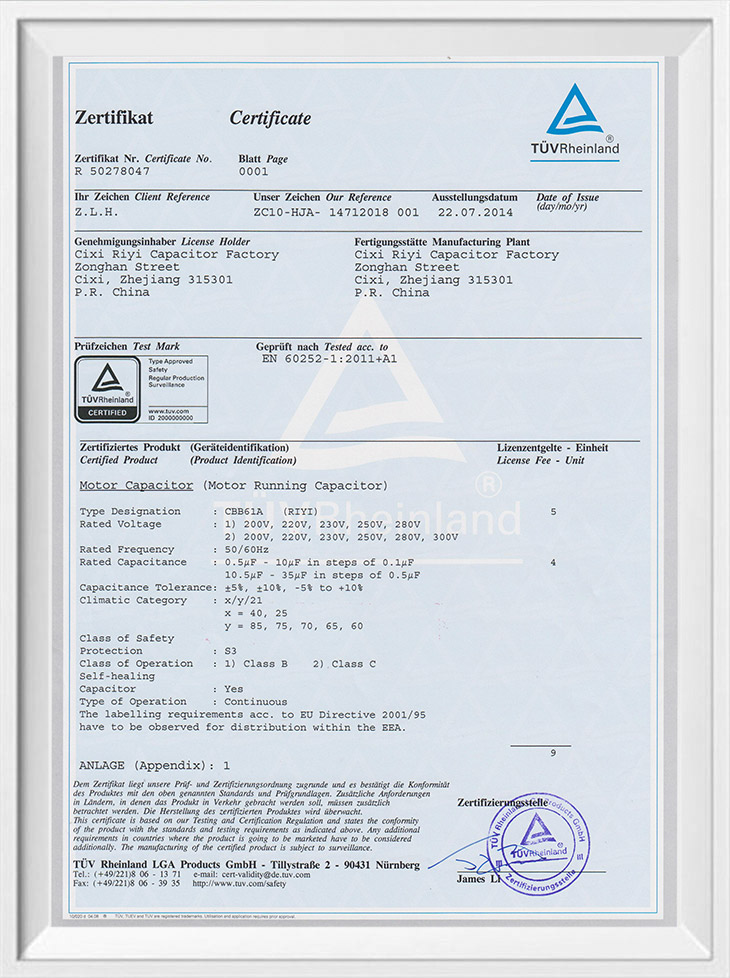
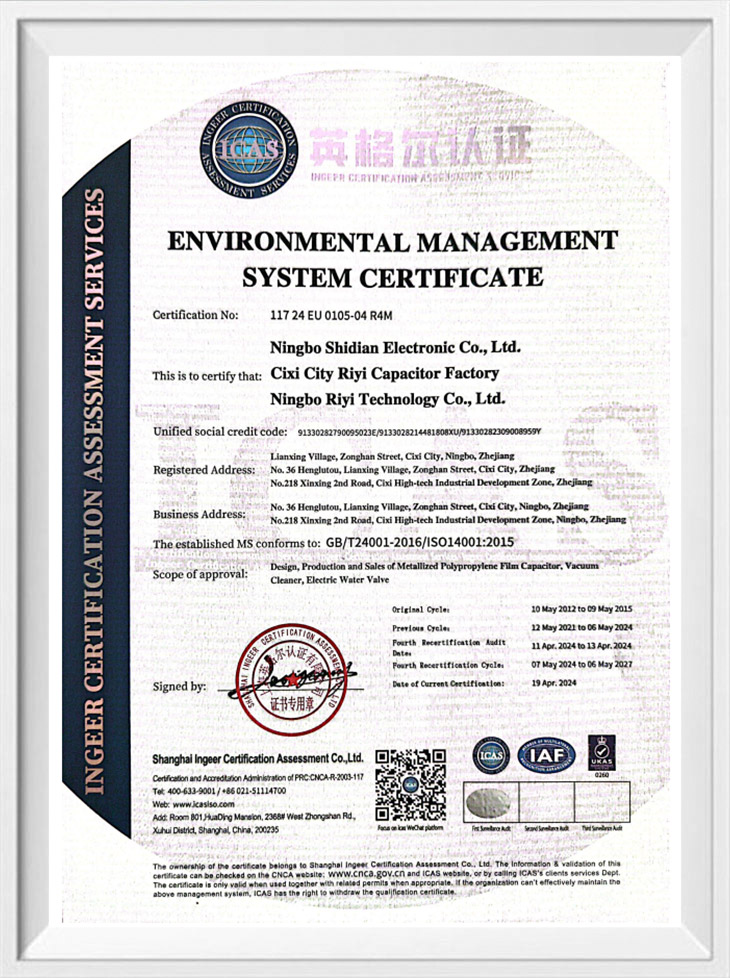
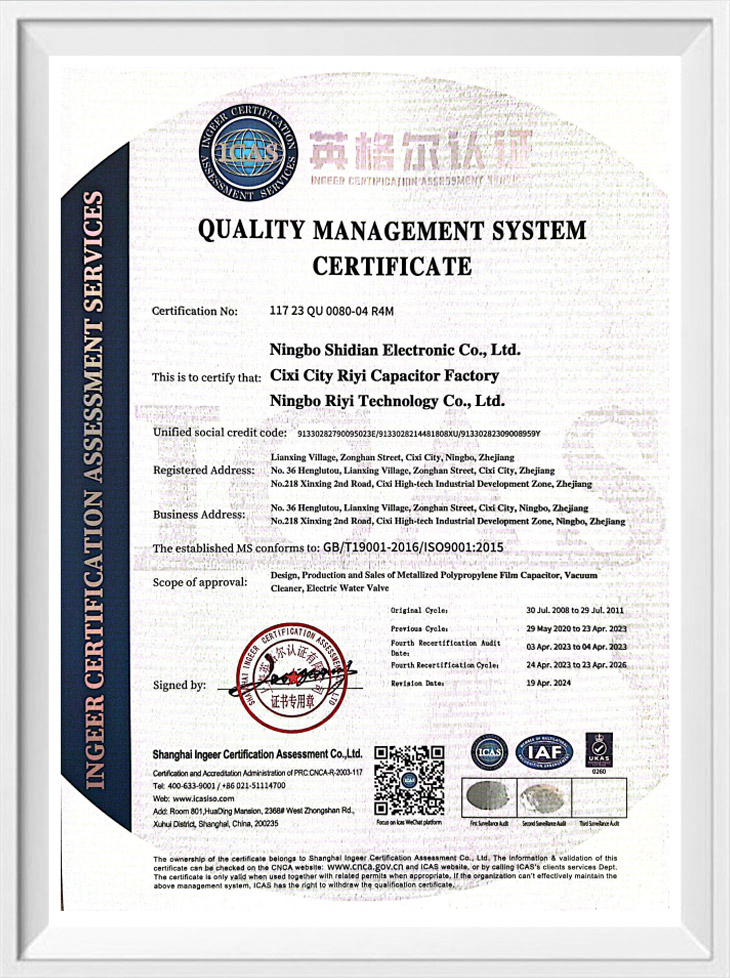
Cixi Riyi Capacitor Factory is direct Insert Type Ac Capacitor With Terminal suppliers. Our Capacitors varieties are diversified and applicable to a wide range of fields, such as washing machines, dryers, air conditioners, range hoods, water pumps, fans, motors, etc. We can wholesale Cbb60 Insert Type Ac Capacitor. Many capacitors can be installed universally. We also can make customized products. We develop and produce products based on drawings or samples provided by customers. These Capacitors have been exported to dozens of countries such as the United States, Indonesia, the Philippines, Indonesia, Turkey, and Egypt. All kinds of products have obtained certificates such as CQC, TUV, VDE, IMQ, UL, CE, etc.
  • 25000+m²

    Factory area

  • 25 million+

    Annual output

  • 2 major ports

    transport

Honor

latest news

03

2026.08
CBB65B Capacitor Guide: Specs, Sizing & Replacement Tips

What a CBB65B Capacitor Actually Does A cbb65b capacitor is a metallized polypropylene film capacitor built to start and continuously run single-phase AC motors, most commonly the compressor and condenser fan...

Read more

27

2026.07
Capacitor Sizes Explained: CBB60 Capacitor Dimensions & Ratings Guide

Quick answer: capacitor sizes are defined by three linked figures — capacitance in microfarads (uF), voltage rating in VAC, and physical case dimensions (diameter and height in mm). A CBB60 capacitor is a meta...

Read more

20

2026.07
Poly Capacitor & Run Capacitor Guide: Ratings, CBB60 vs CBB61, Testing

Poly Capacitor Basics: The Direct Answer Before The Details A poly capacitor is a metallized polypropylene film capacitor built to keep an AC motor running smoothly after it starts, which is why it is commonl...

Read more

13

2026.07
High Voltage Capacitor Guide: Types, AC Capacitor Ratings & Selection

High Voltage Capacitors Store and Release Electrical Energy Under Extreme Field Stress A high voltage capacitor is a passive component built to hold electrical charge across two conductive plates separated by...

Read more

06

2026.07
104J Capacitor Value Explained: CBB60 Capacitor Guide

What Does 104J Mean on a Capacitor 104J printed on a capacitor body means the component has a capacitance of 100,000 picofarads, which equals 0.1 microfarads, with a tolerance of plus or minus 5 percent. The ...

Read more

29

2026.06
uF Capacitor Meaning: What It Is, How It Works & CBB60 Guide

What Does uF Mean on a Capacitor? The abbreviation uF stands for microfarad, a unit used to measure a capacitor's electrical capacitance — its ability to store electric charge. One microfarad equals one-mill...

Read more

22

2026.06
Understanding C65R and CBB65 Capacitor Specs & Applications

Direct Overview and Functional Conclusion The c65r capacitor and the broader cbb65 capacitor family serve as vital components in modern electrical engineering, primarily acting as motor run capacitors for hig...

Read more

Industry Knowledge Development

An AC insert type aluminum case capacitor with terminal refers to an aluminum electrolytic capacitor designed for AC (alternating current) applications. It is constructed with an aluminum case and features terminal connections for easy installation.

Aluminum electrolytic capacitors are commonly used in various electronic devices and electrical systems to store and release electrical energy. They are particularly suitable for applications involving high capacitance values and voltage ratings.

The "AC insert type" indicates that this capacitor is intended for use in AC circuits, where the current periodically changes direction. It is designed to handle the specific characteristics of AC power, such as voltage fluctuations and the reversing nature of the current.

The "aluminum case" signifies that the capacitor's outer housing is made of aluminum, which provides good heat dissipation and mechanical protection. Aluminum cases are often preferred for their durability and resistance to environmental factors.

The "with terminal" designation implies that the capacitor has terminal connections that facilitate its integration into a circuit. These terminals typically consist of leads or pins, allowing for easy soldering or insertion into a printed circuit board (PCB).

Overall, an AC insert type aluminum case capacitor with terminal is a specific type of electrolytic capacitor suitable for AC applications, featuring a robust aluminum case and terminal connections for convenient installation.

Installing an AC insert type aluminum case capacitor with terminals requires careful handling and adherence to safety precautions. Here's a general guide to help you with the installation process:
1.Safety first: Before starting any electrical work, ensure that the power supply to the circuit is turned off and all relevant safety measures are taken, such as wearing insulated gloves and using appropriate tools.
2.Identify the capacitor: Identify the AC insert type aluminum case capacitor with terminals that you want to install. Familiarize yourself with its specifications, such as voltage rating, capacitance, and any other relevant information.
3.Verify compatibility: Ensure that the capacitor you have matches the required specifications for your application. Using an incompatible capacitor can lead to equipment damage or even pose safety risks.
4.Remove power source: Double-check that the power supply to the circuit is disconnected. This step is crucial to avoid electric shock or damage to the capacitor during installation.
5.Discharge residual energy: Capacitors can store electrical energy even after the power supply is disconnected. To discharge any residual energy, use a suitable resistor with a high resistance value. Connect the resistor across the terminals of the capacitor and wait for a few seconds to ensure it is fully discharged.
6.Mounting location: Select an appropriate location to mount the capacitor. Ensure it is away from heat sources, moving parts, and other components that may interfere with its operation or cause damage.
7.Terminal connections: Identify the terminals on the capacitor. They are typically marked as positive (+) and negative (-) or labeled according to their function. Connect the appropriate wires to each terminal, ensuring a secure and proper electrical connection.
8.Insulation: After connecting the terminals, ensure that the exposed wire connections are properly insulated. This can be done using heat shrink tubing, electrical tape, or other suitable insulation materials. Insulation prevents accidental short circuits and enhances safety.
9.Mounting and securing: Mount the capacitor securely using appropriate methods such as screws, brackets, or clips. Ensure that it is firmly attached and will not move or vibrate excessively during operation.
10.Final checks: Double-check all connections and ensure that there are no loose wires or exposed conductors. Inspect the installation to verify that it meets the required standards and is free from any potential hazards.
11.Restore power: Once you have completed the installation and performed all necessary checks, you can restore power to the circuit. Monitor the capacitor during the initial power-up to ensure it is functioning correctly and that there are no signs of overheating or other abnormalities.

Note: The specific installation steps may vary depending on the exact model and manufacturer instructions of your AC insert type aluminum case capacitor with terminals. Always refer to the manufacturer's documentation and follow their guidelines for the safest and most accurate installation process. If you're unsure or uncomfortable with the installation, it's recommended to seek assistance from a qualified electrician or professional.

Contact Us

*We respect your confidentiality and all information are protected.