Industry Knowledge Development
The
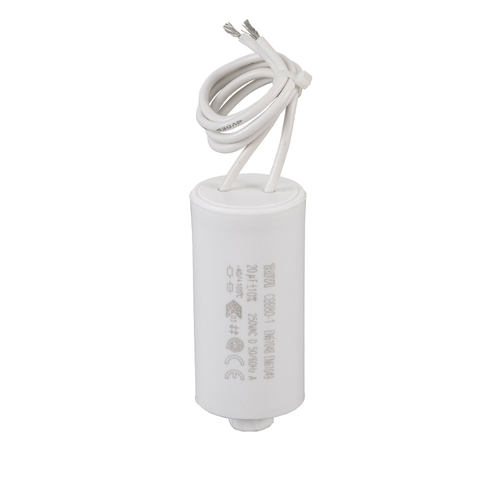
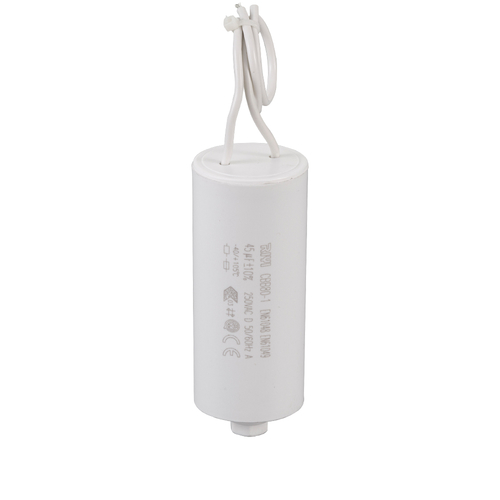
AC CBB80 plastic shell compensation capacitor is a type of capacitor used in AC (alternating current) circuits for power factor correction and reactive power compensation. Its working principle is based on the capacitive reactance of the capacitor.
The primary purpose of the AC CBB80 plastic shell compensation capacitor is to offset the inductive reactive power of certain loads in AC circuits, such as electric motors and fluorescent lighting. These loads consume reactive power, which can cause a lagging power factor and decrease the overall efficiency of the system. By adding the compensation capacitor in parallel to these loads, the reactive power can be partially or fully offset, resulting in an improved power factor and increased efficiency.
The AC CBB80 plastic shell compensation capacitor is designed specifically for AC applications and is constructed using polypropylene film as the dielectric material. Polypropylene is chosen for its high insulation resistance, low dielectric losses, and excellent self-healing properties. The plastic shell provides mechanical protection and electrical insulation.
When an AC voltage is applied across the terminals of the AC CBB80 capacitor, it charges and discharges with each cycle of the AC waveform. The capacitor offers a low impedance path to the reactive current, allowing it to absorb and release energy in response to the changes in voltage polarity. This behavior is due to the capacitive reactance, which is inversely proportional to the frequency of the AC signal.
By selecting the appropriate capacitance value for the AC CBB80 plastic shell compensation capacitor, the reactive power of the load can be compensated, resulting in a closer-to-unity power factor. This helps to reduce energy losses, improve voltage regulation, and optimize the utilization of electrical power in the system.
Overall, the working principle of the AC CBB80 plastic shell compensation capacitor revolves around its ability to introduce a capacitive reactance to the AC circuit, which offsets the inductive reactance of the load and improves the power factor of the system.
When using an AC CBB80 plastic shell compensation capacitor, it is important to take certain precautions to ensure safe and reliable operation. Here are some precautions to keep in mind:
1.Capacitor Rating: Make sure the CBB80 capacitor you are using is rated for the appropriate voltage and capacitance values required for your application. Exceeding the rated voltage can cause the capacitor to fail or even explode, leading to potential hazards.
2.Installation: Follow the manufacturer's guidelines for installation. Ensure that the capacitor is securely mounted and properly connected in the circuit, paying attention to the correct polarity. Incorrect installation can lead to malfunctions, overheating, or electrical failures.
3.Power Discharge: Before handling the capacitor or performing any maintenance, make sure the power to the circuit is fully discharged. Capacitors can store electrical charge even after power is disconnected, and accidental contact with charged terminals can result in electric shock.
4.Overcurrent Protection: Implement appropriate overcurrent protection measures, such as fuses or circuit breakers, to prevent excessive current flow through the capacitor. Overcurrent can cause the capacitor to overheat or fail, leading to potential safety risks.
5.Temperature Considerations: Ensure that the operating temperature of the capacitor remains within its specified range. Excessive heat can degrade the performance and lifespan of the capacitor. Adequate ventilation and cooling should be provided if necessary.
6.Environmental Factors: Protect the capacitor from moisture, dust, chemicals, and other environmental contaminants that can adversely affect its performance. Additionally, avoid exposing the capacitor to extreme temperature variations, direct sunlight, or mechanical stresses.
7.Regular Inspection: Periodically inspect the capacitor for signs of physical damage, such as cracks, bulges, or leakage. If any abnormalities are detected, the capacitor should be replaced immediately.
8.Manufacturer's Instructions: Always refer to the manufacturer's documentation, user manual, or datasheet for specific instructions and recommendations regarding the safe use and handling of the CBB80 capacitor.
Remember that capacitors store electrical energy and can pose risks if mishandled or used improperly. It is essential to prioritize safety precautions and consult with professionals or experts if you have any doubts or specific concerns about your application.

 简体中文
简体中文 English
 Español
 عربى
عربى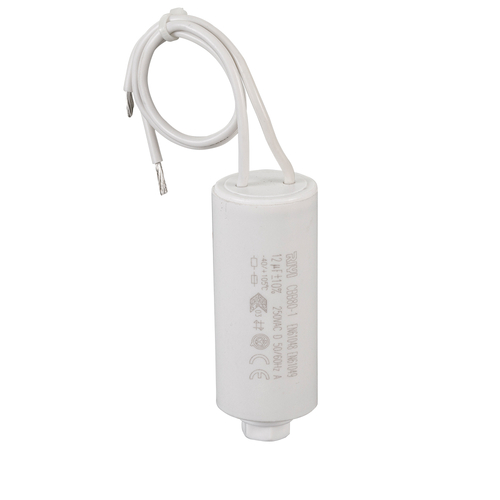




 +86-13600614158
 +86-0574-63223385
 Zonghan Street,Cixi City,Zhejiang Province,China.