Industry Knowledge Development
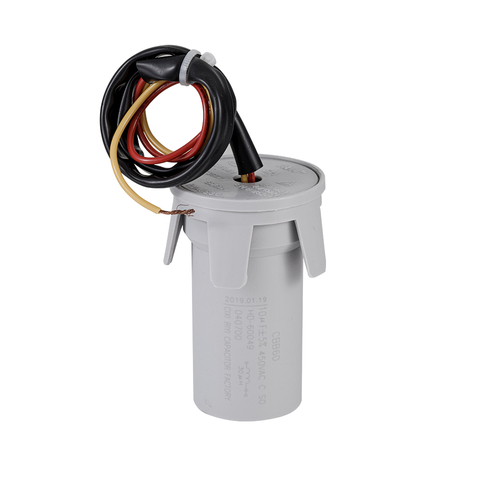
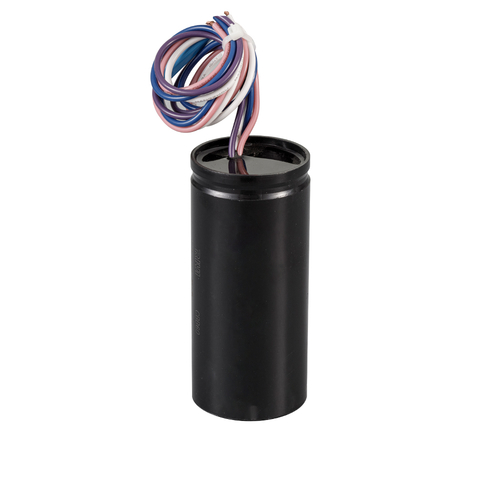
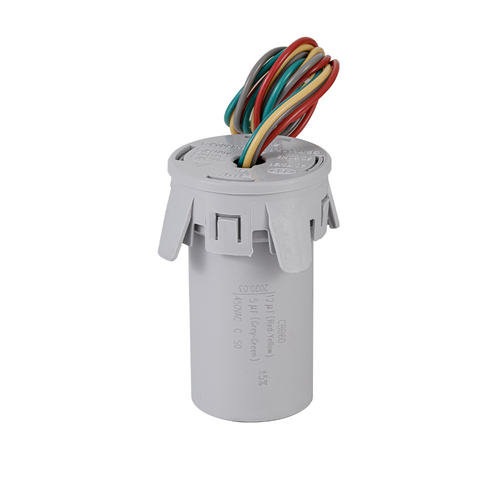
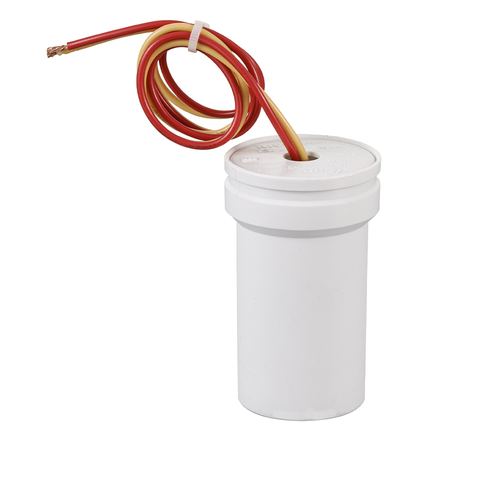
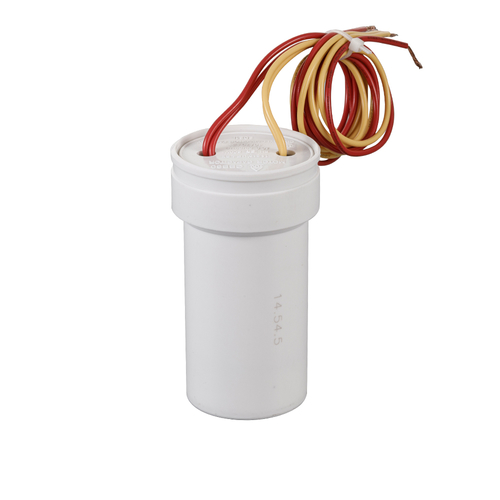
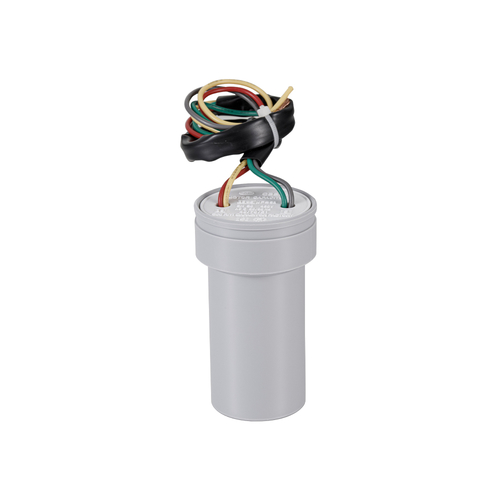
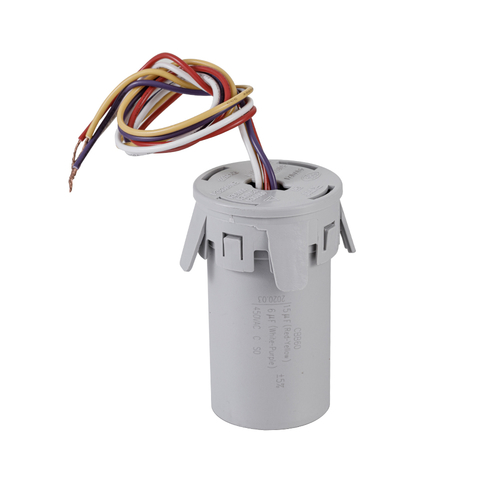
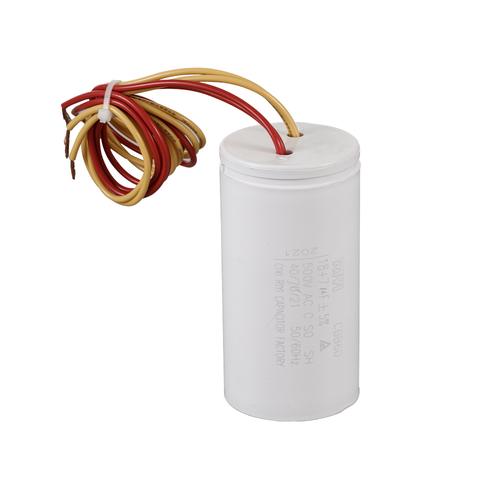
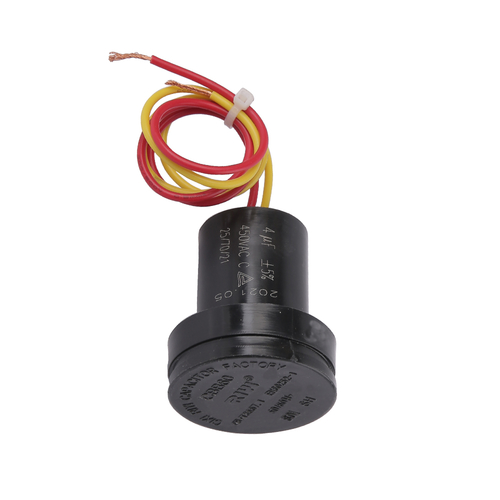
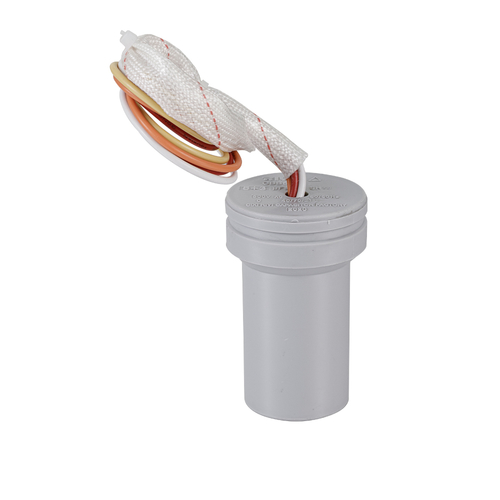
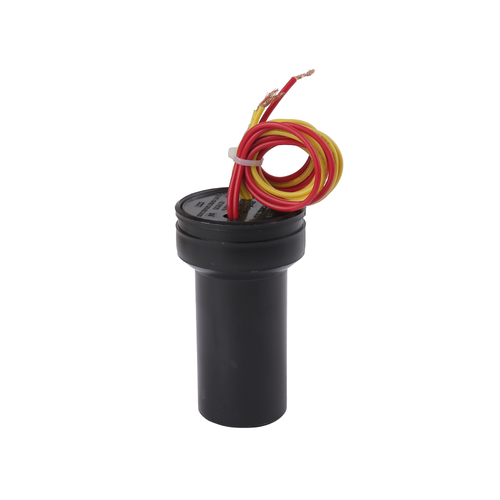
The CBB60 capacitor is a type of motor capacitor commonly used in washing machines and other appliances. It is specifically designed for use in single-phase AC motors. The capacitor helps in starting and running the motor by providing an electrical phase shift.
Here are some key features and specifications of a CBB60 capacitor used in washing machines:
1.Capacitance: The capacitance value of a CBB60 capacitor used in washing machines can vary depending on the motor's requirements. Typical capacitance values range from a few microfarads (μF) to around 50 μF.
2.Voltage Rating: The capacitor's voltage rating should be suitable for the motor's voltage. For washing machines, the voltage rating is typically between 250VAC and 450VAC.
3.Construction: CBB60 capacitors are usually cylindrical in shape and are enclosed in a plastic or metal case. They are designed to be self-healing, meaning that if a small internal fault occurs, the capacitor can recover and continue functioning.
4.Mounting: The capacitor is often designed with mounting studs or brackets, allowing it to be securely attached to the washing machine's chassis or motor.
Replacing the
AC Cbb60 Washing Machine Capacitor requires some basic electrical knowledge and safety precautions. Here's a step-by-step guide on how to replace the capacitor:
1.Safety First: Before starting any electrical work, ensure that the washing machine is unplugged from the power source to avoid any risk of electric shock.
2.Identify the Capacitor: Locate the CBB60 capacitor in your washing machine. It is typically a cylindrical-shaped component, often attached to the motor or near the control board. Take note of the connections and wiring attached to the capacitor.
3.Purchase a Replacement Capacitor: Visit an electronics store or online retailer to purchase a new CBB60 capacitor with the same specifications as the original one. Look for a capacitor with the correct voltage rating, capacitance value, and physical size to ensure compatibility.
4.Discharge the Capacitor: Capacitors can store electrical charge even when the power is disconnected. To discharge the capacitor, use a resistor with a value of around 10k ohms. Connect the resistor across the two terminals of the capacitor and hold it in place for a few seconds. This will discharge any residual charge stored in the capacitor, reducing the risk of electrical shock.
5.Remove the Old Capacitor: Carefully disconnect the wires attached to the old capacitor. Note the orientation and location of each wire to ensure proper reconnection later. Some capacitors may be connected using screws or clips, while others might have soldered connections. Use appropriate tools to remove the old capacitor from its mounting position.
6.Install the New Capacitor: Take the new CBB60 capacitor and position it in the same location where the old capacitor was installed. Make sure the capacitor is securely mounted. If the new capacitor has soldering terminals, solder the wires back in their original positions. If it has screws or clips, connect the wires accordingly.
7.Double-Check the Connections: Ensure that all the wires are securely connected to the capacitor. Double-check the wiring against the notes or photographs you took earlier to ensure correct placement.
8.Test and Reassemble: Once you've confirmed the connections, plug the washing machine back into the power source. Test the machine to ensure that it functions properly. Listen for any unusual noises or observe any abnormal behavior that might indicate a faulty installation. If everything seems fine, proceed to reassemble any covers or panels that were removed during the process.
Remember, if you're unsure about any step or lack experience with electrical work, it's always advisable to seek assistance from a qualified professional or an appliance repair technician to ensure your safety and avoid any damage to the washing machine.

 简体中文
简体中文 English
 Español
 عربى
عربى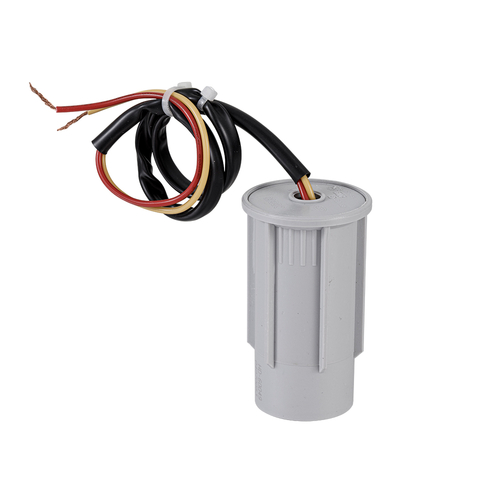



 +86-13600614158
 +86-0574-63223385
 Zonghan Street,Cixi City,Zhejiang Province,China.